

Book Reviews
Book Review: “Millwork: Historic Millwork from 1740-1950” by Brent Hull
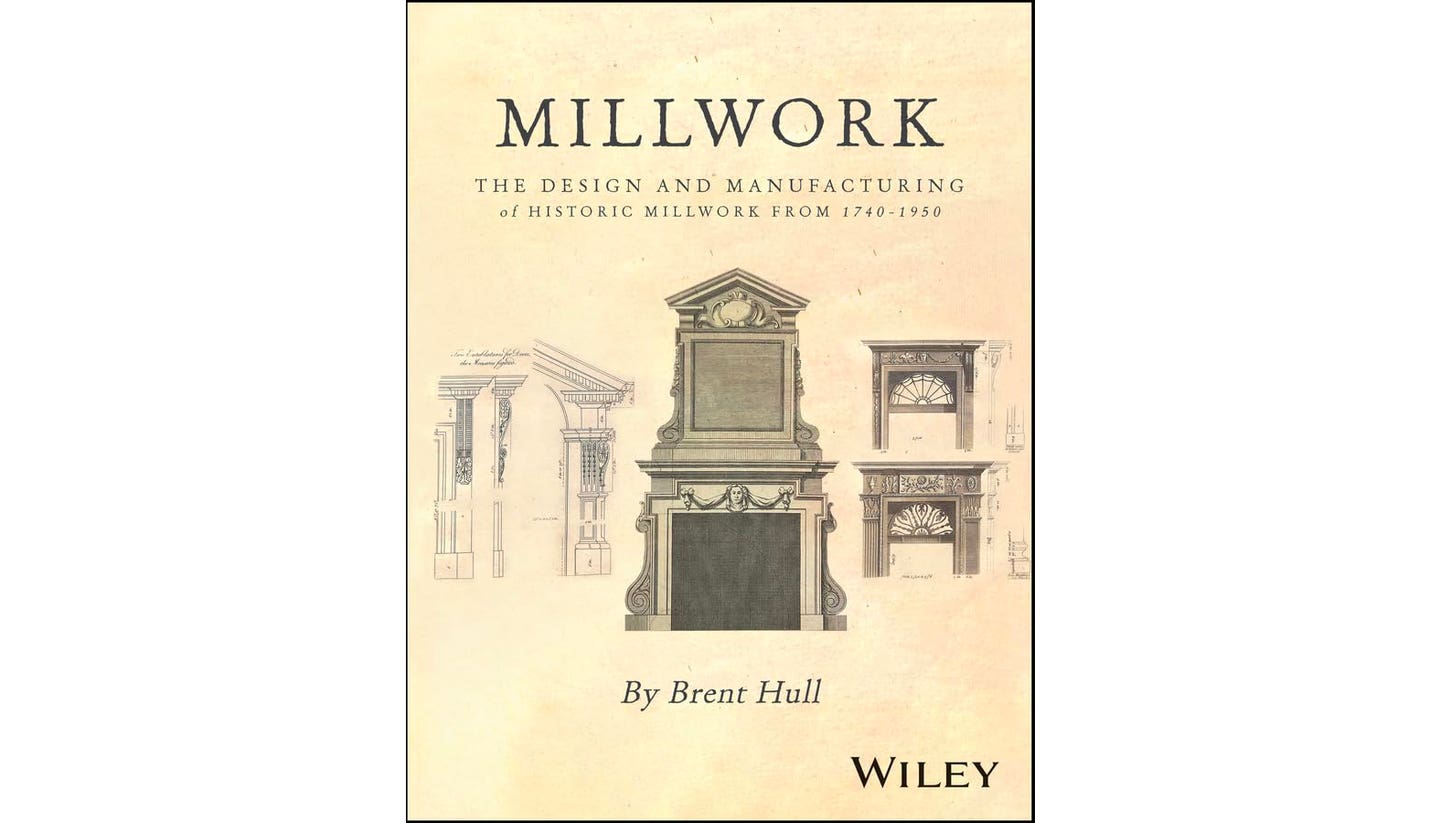
I recently had the pleasure of reading "Millwork: The Design and Manufacturing of Historic Millwork from 1740-1950." Read on for my thoughts on master builder Brent Hull's newest book.
This book does what the title suggests; it explores the classification and definition of doors, windows, moldings, mantels, paneled walls, built-ins and other millwork elements from early American architecture through WWll and the manufacturing age. It picks up on a familiar theme, “Man vs. Machine,” but more importantly for design and carpentry professionals, illustrates historic millwork to help us understand, authenticate, restore, and recreate historic millwork.
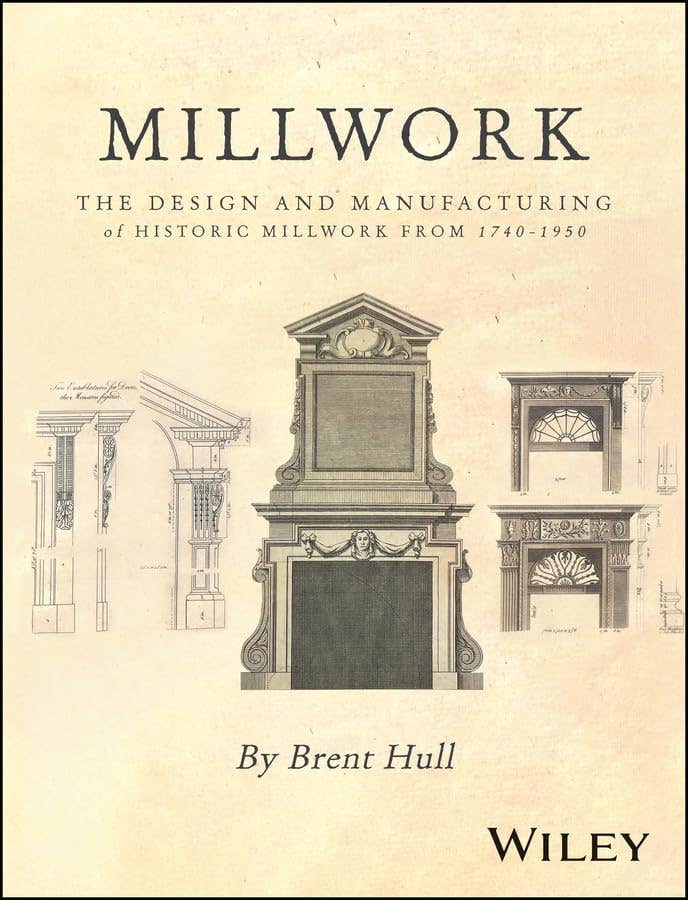
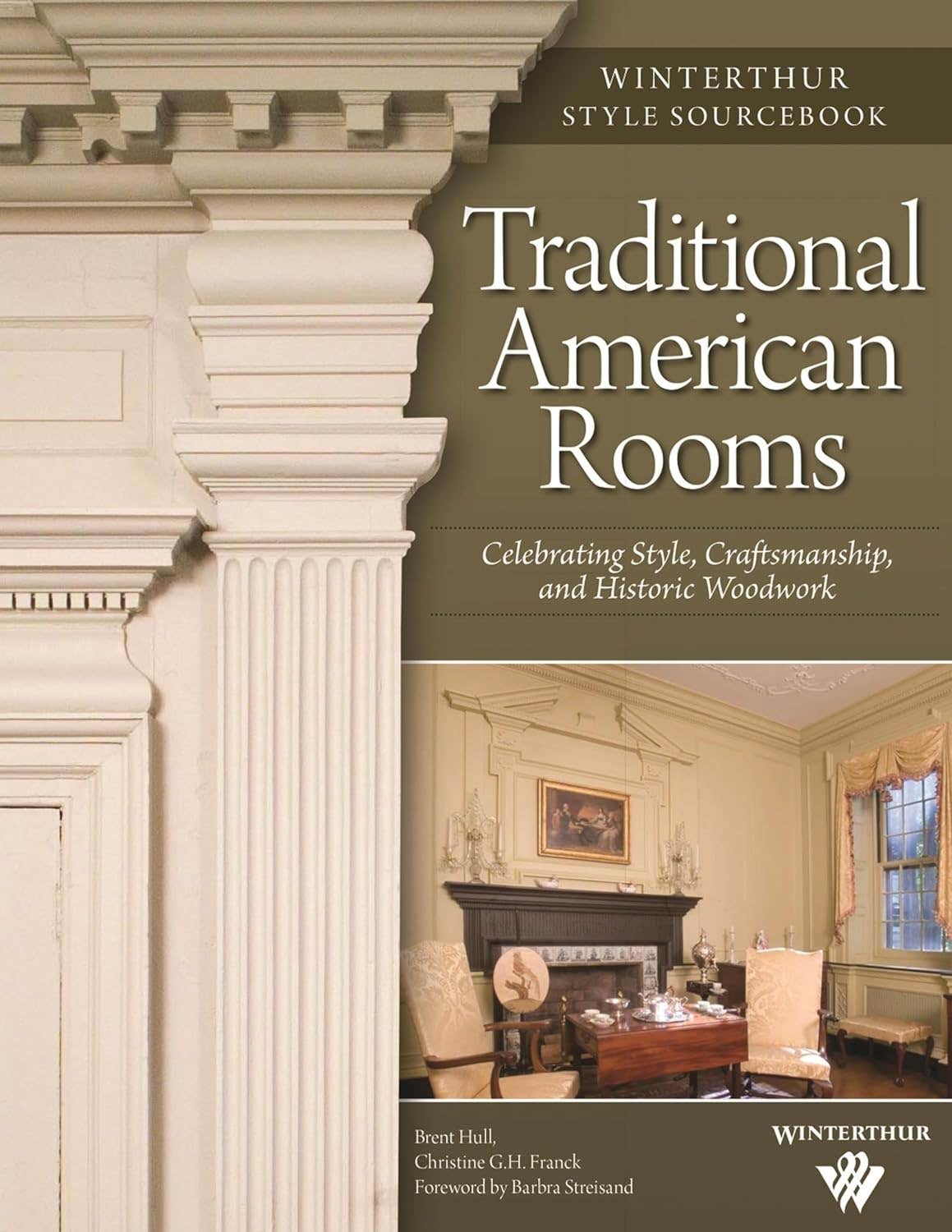
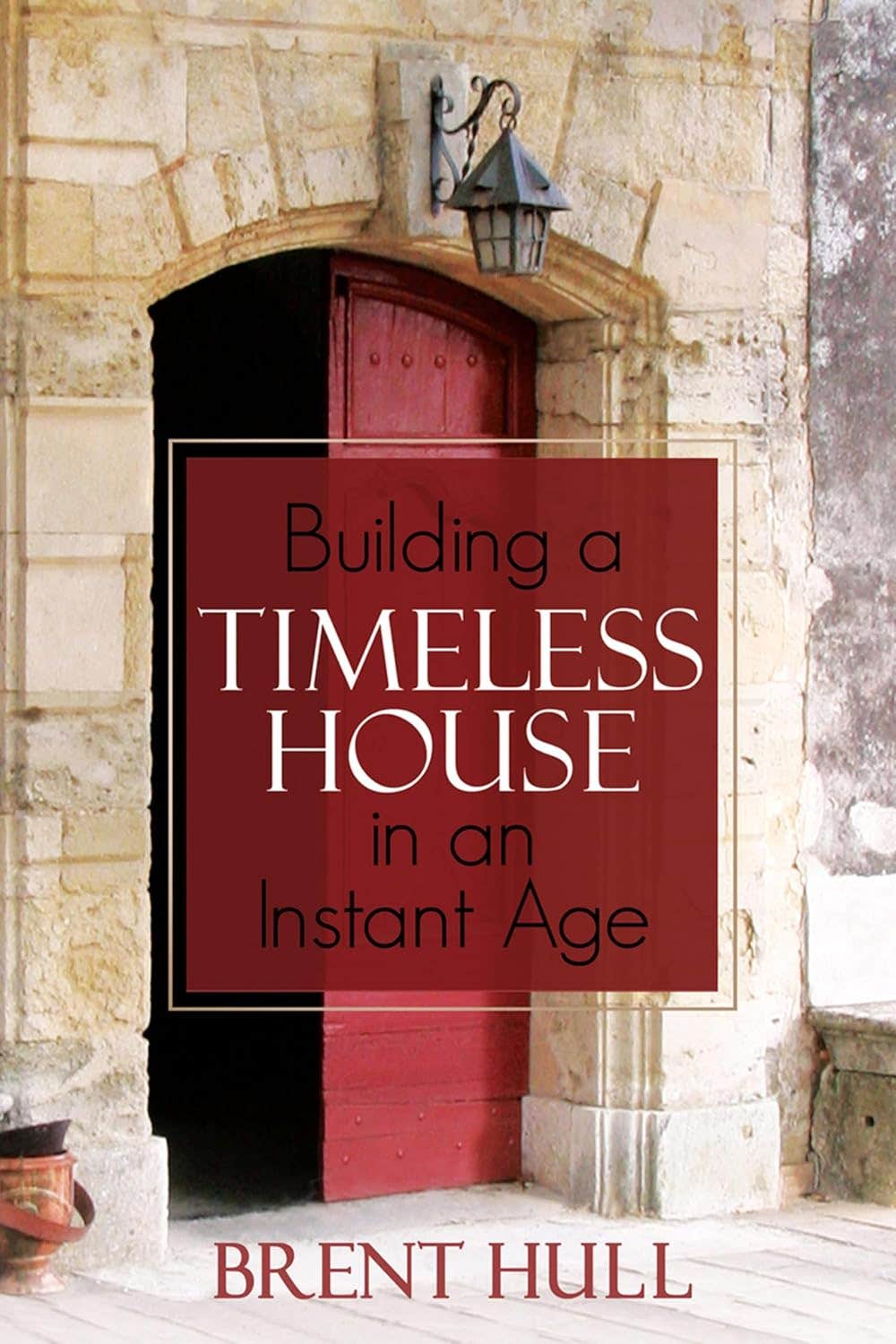
This is the third book by the author, Brent Hull, a home builder and millwork manufacturer whose training began at the North Bennett Street School. But “Historic Millwork from 1740-1950” covers a broader period than his previous books and does a good job of citing his sources, master builder's pattern books of the mid-19th century, followed by architectural design books, and manufacturer’s millwork catalogs, most of which are hard to find and out of print. Illustrations and diagrams from all three sources populate this book.
In addition to explaining the difference between one millwork information source and another, Hull distinguishes between the “Gentleman architect” and the “Master builder.” Clearly Hull, a home builder in Fort Worth Texas, identifies with the latter. He collects and reads with enthusiasm those pattern books which provide how-to guidance in addition to design. By understanding both, one can understand how period designs are improvised on the jobsite and vary by region.
“If you want to master historic design and room proportions, you need to be familiar with the classical approach,” the author advises. This declaration is accompanied, of course, by the well-known image of the Vitruvian Man which expresses the “wonder, the beauty and proportions of the human form.”
I like how the author gives examples of traditional buildings: the Lancaster room from an 1802 house in Virginia, the Cecil room, built in Maryland in 1740, Monticello, Drayton Hall, Gunston Hall, Winterthur and others. If the reader doesn’t absorb these millwork details from the book’s architectural drawings, he knows where and what to go look at, up close and in-person.
And who knew that historic molding tells us so much? “Moldings reflect changing societal values, priorities, taste and advancing technology,” Hull declares. He goes on to explain how hand moldings, built by craftsmen using hand-planes are individualistic whereas those made by machine after the mid-20th century, are not. But machines made curvature in doors better whereas curves by hand could have been cost prohibitive.
Georgian, Federal, Greek Revival, Gothic and all designs Victorian are nicely explained and illustrated in the book. Some of the illustrations are better than others which are copied from catalogues and are less crisp. One of my favorites are well reprinted illustrations which appear on pages 188-189 in the chapter about stairs. It shows 20 different Newell posts, each a work of art, which satisfied my Newell post fetish.
Brent Hull, master builder, designer, and millworker, has a personal library which anyone would envy. Collected over a 40-year career, Hull’s books, including his pattern books and catalogues, are well compiled and curated for our reference in “The Design and Manufacturing of Historic Millwork from 1740-1950."

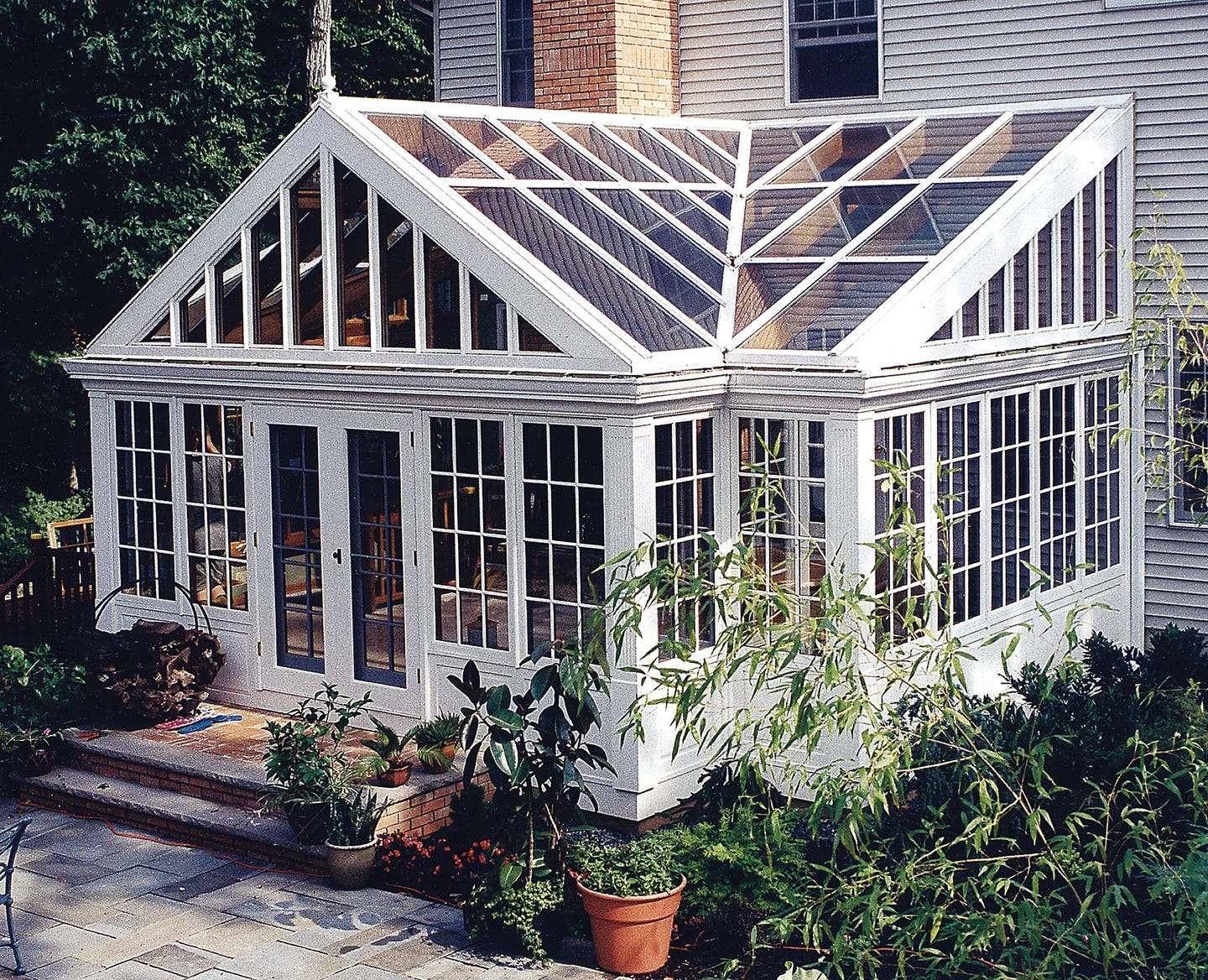
Designer, manufacturer & installer of conservatories, greenhouses, garden follies, pool enclosures, specialty skylights, roof lanterns, domes & garden windows: Classical designs; handcrafted mahogany components; custom designs