


Features
Steward of the U.S. Capitol
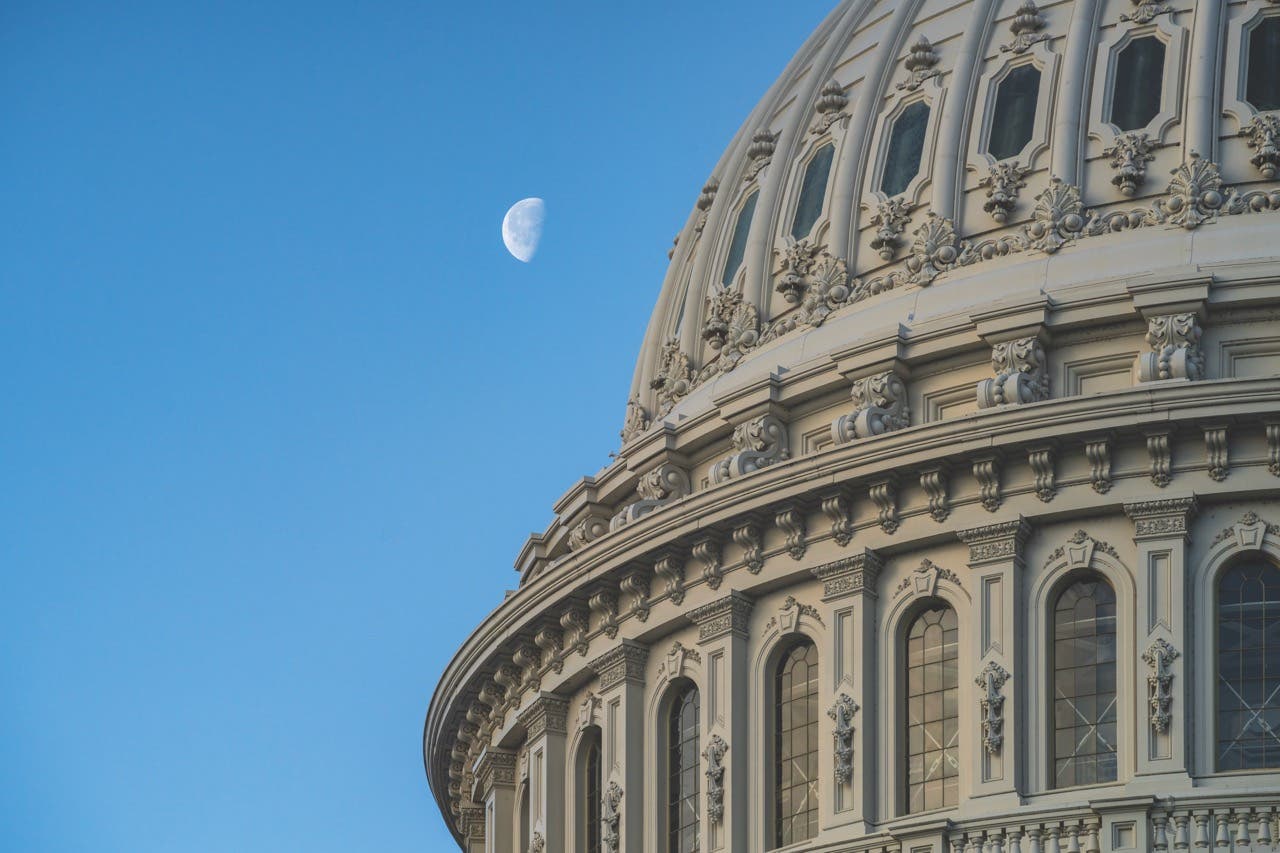
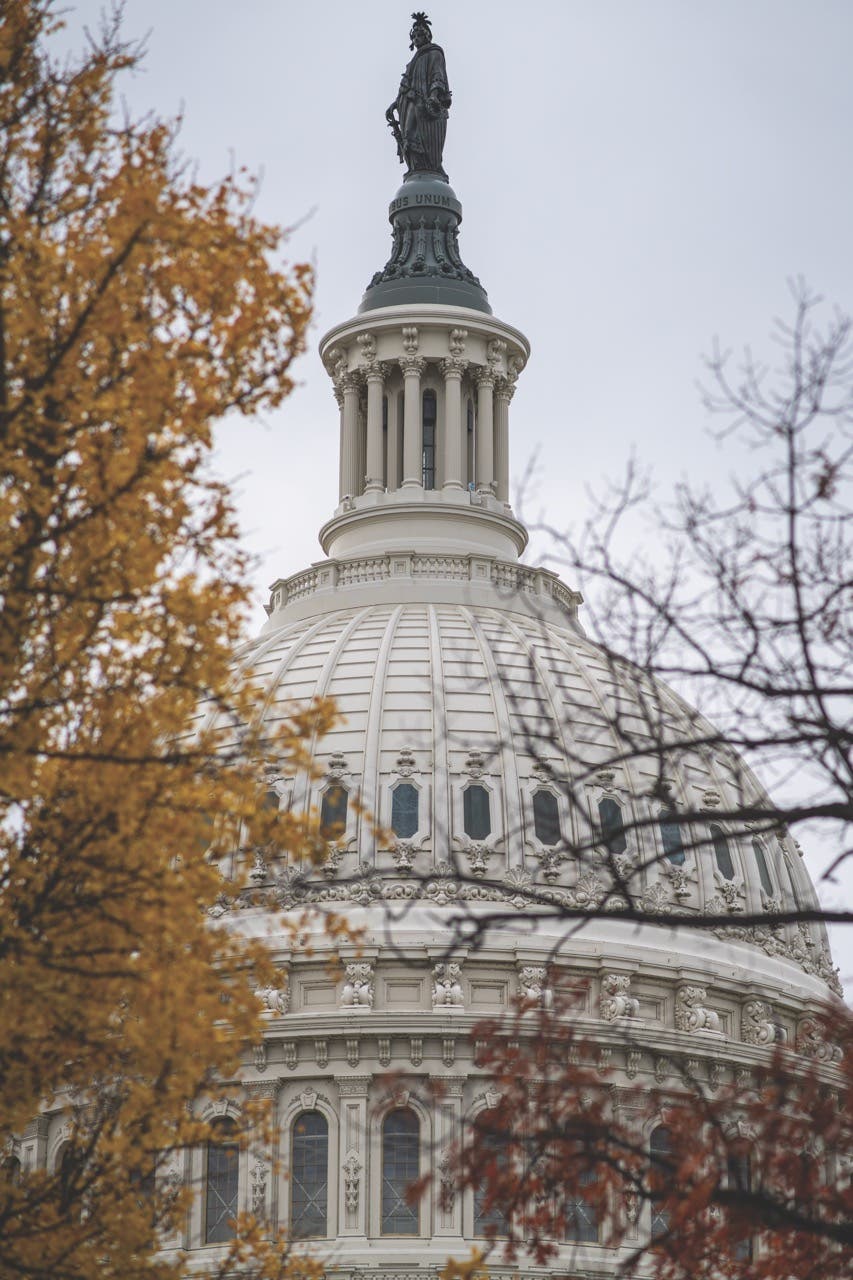
The dome of the Capitol Building.
The Architect of the Capitol (AOC) manages over 500 acres and 18 million square feet of buildings on the U. S. Capitol campus in Washington, D.C. This includes the United States Capitol, the Library of Congress, the Supreme Court building, three Senate office buildings, the U.S Congress Cannon House office building, multiple House office buildings the Thurgood Marshall Judiciary building and the United States Botanic Garden.
There have been 13 Architects of the Capitol dating back to President George Washington’s appointment of William Thorton 1793-1802. Benjamin Latrobe held two nonconsecutive terms interrupted by the War of 1812. Charles Bulfinch served from 1818-1829. Stephen Ayers was our Architect of the Capitol from 2010-2018; he is now the interim CEO of the American Institute of Architects.
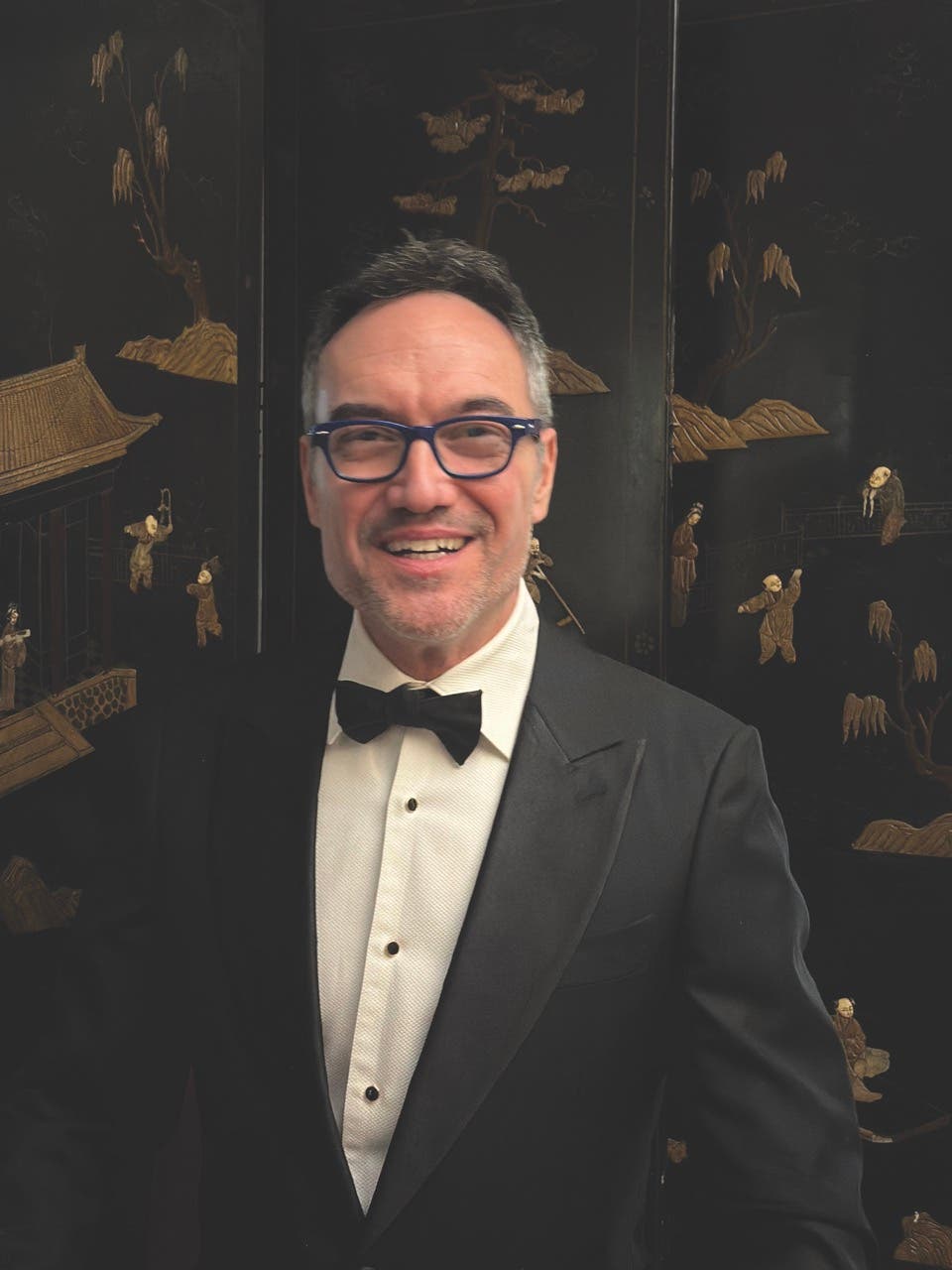
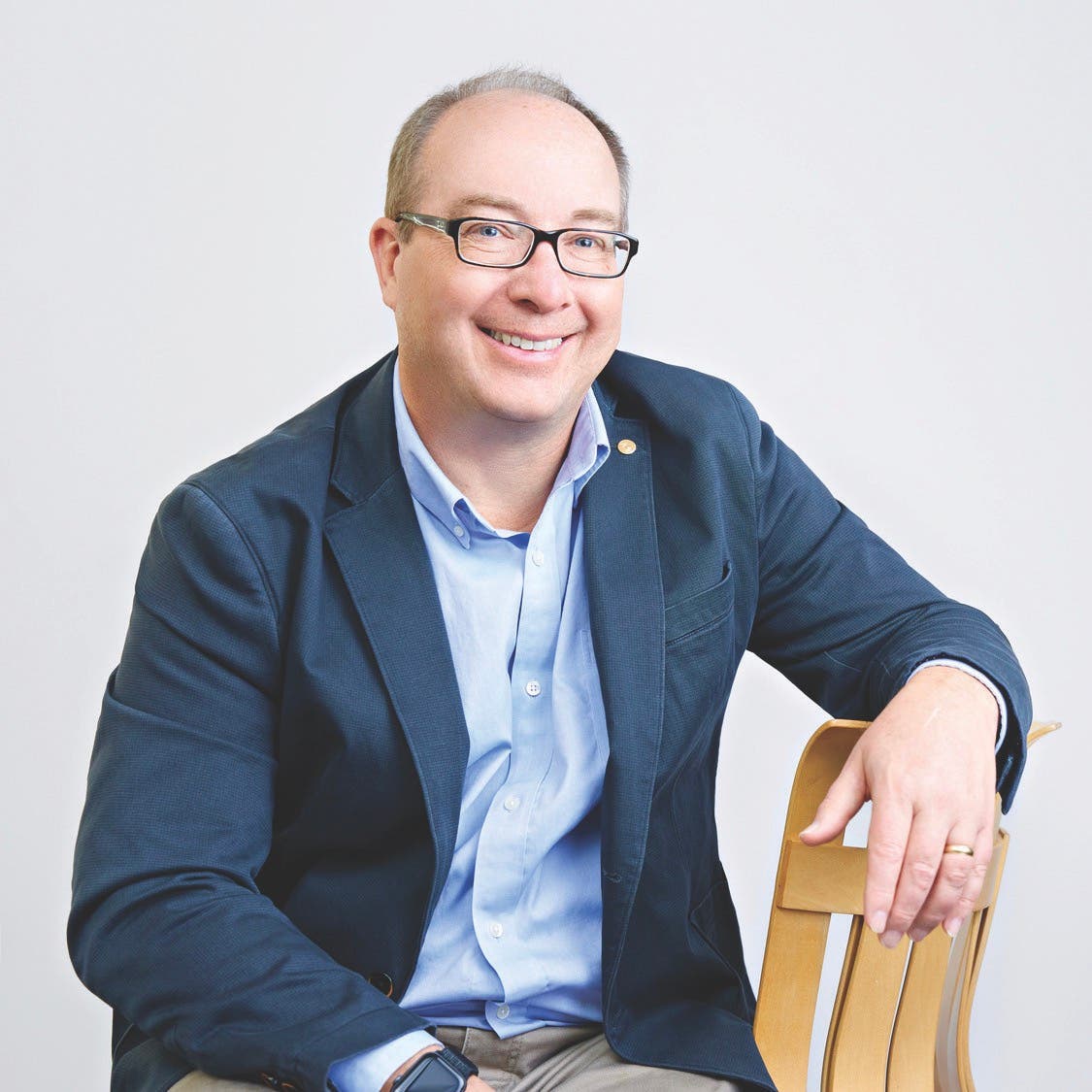
Thomas E. Austin is the Architect of the Capitol today. One year into his tenure, I visit with him in his Capitol office to talk about all the historic restoration, renovation, and maintenance work that’s going on under his leadership.
“We are a working part of history,” Austin declares. “We are here to provide a home for American democracy.”
The work is done by a staff of over 2,500 who manage these facilities 24/7. A third of them are tradespeople, craftspeople, and building artisans. The historic preservation staff do much of the restoration and maintenance work themselves, with in-house training and apprenticeships for building arts like decorative painting and plaster work. Private companies, outside building artisans, and craftspeople are also used for specialty preservation work.
“Our mission is to serve, preserve, and inspire,” Austin told me, earnestly. “We have 30,000 daily occupants. The work we do takes place while the buildings are in use, kind of like repairing an airplane while it’s in flight, with some very important people on board! This presents challenges for us.”
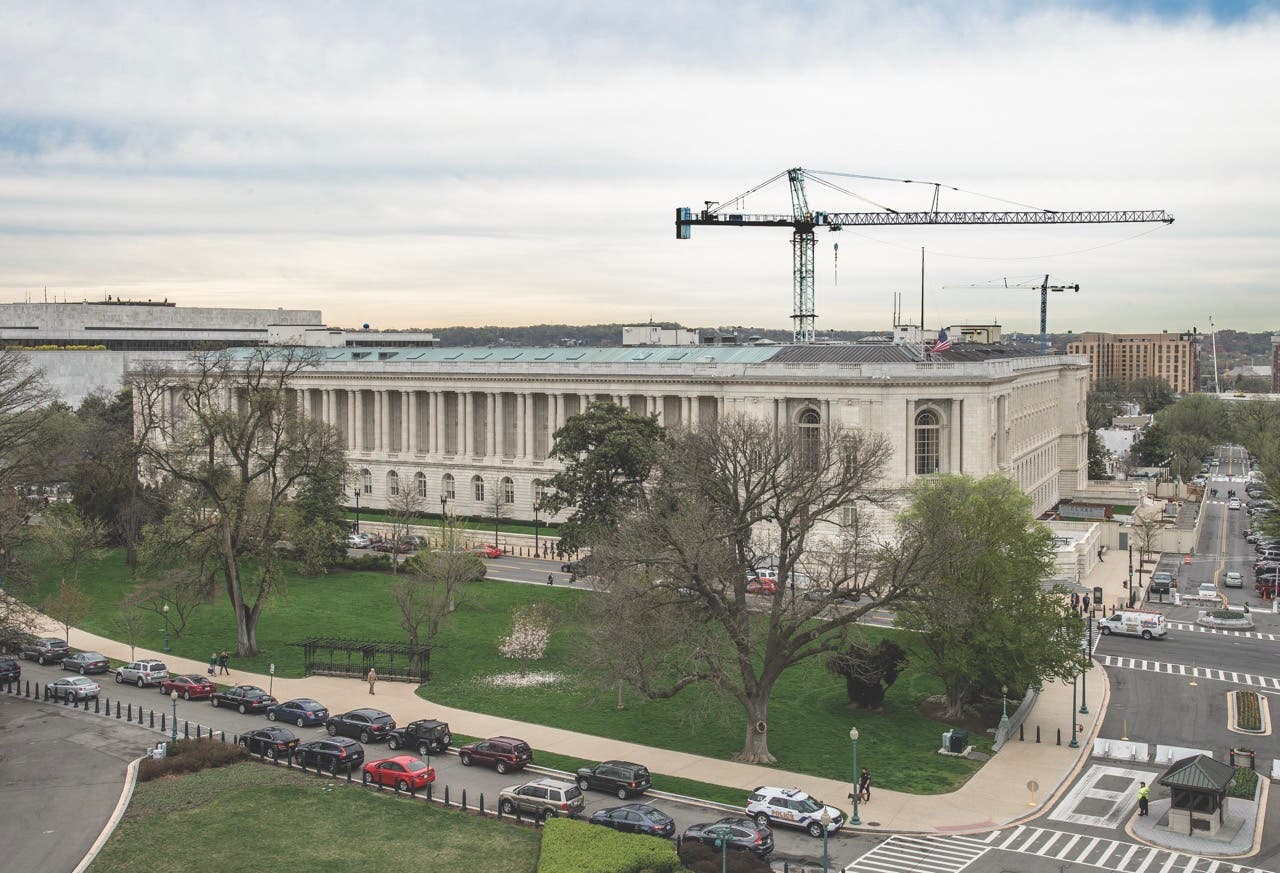
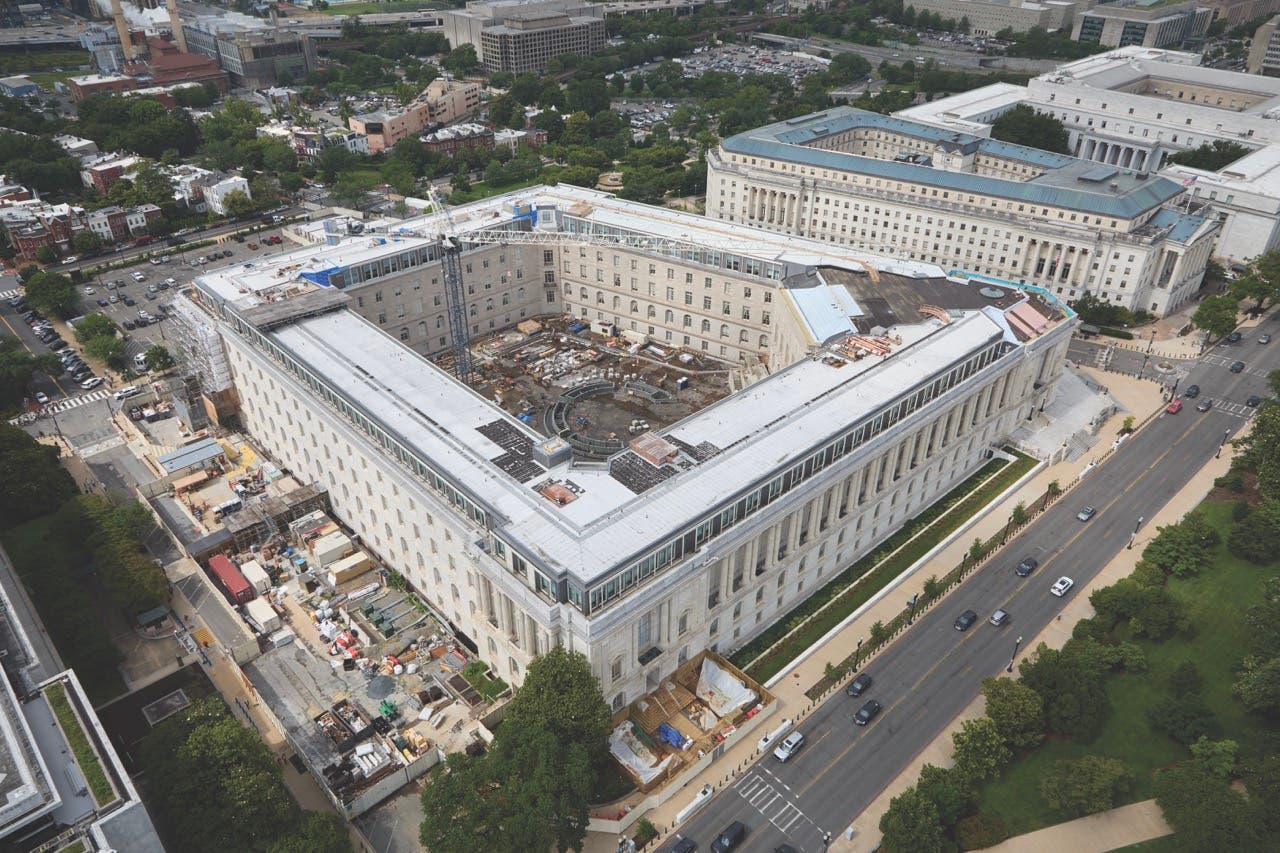
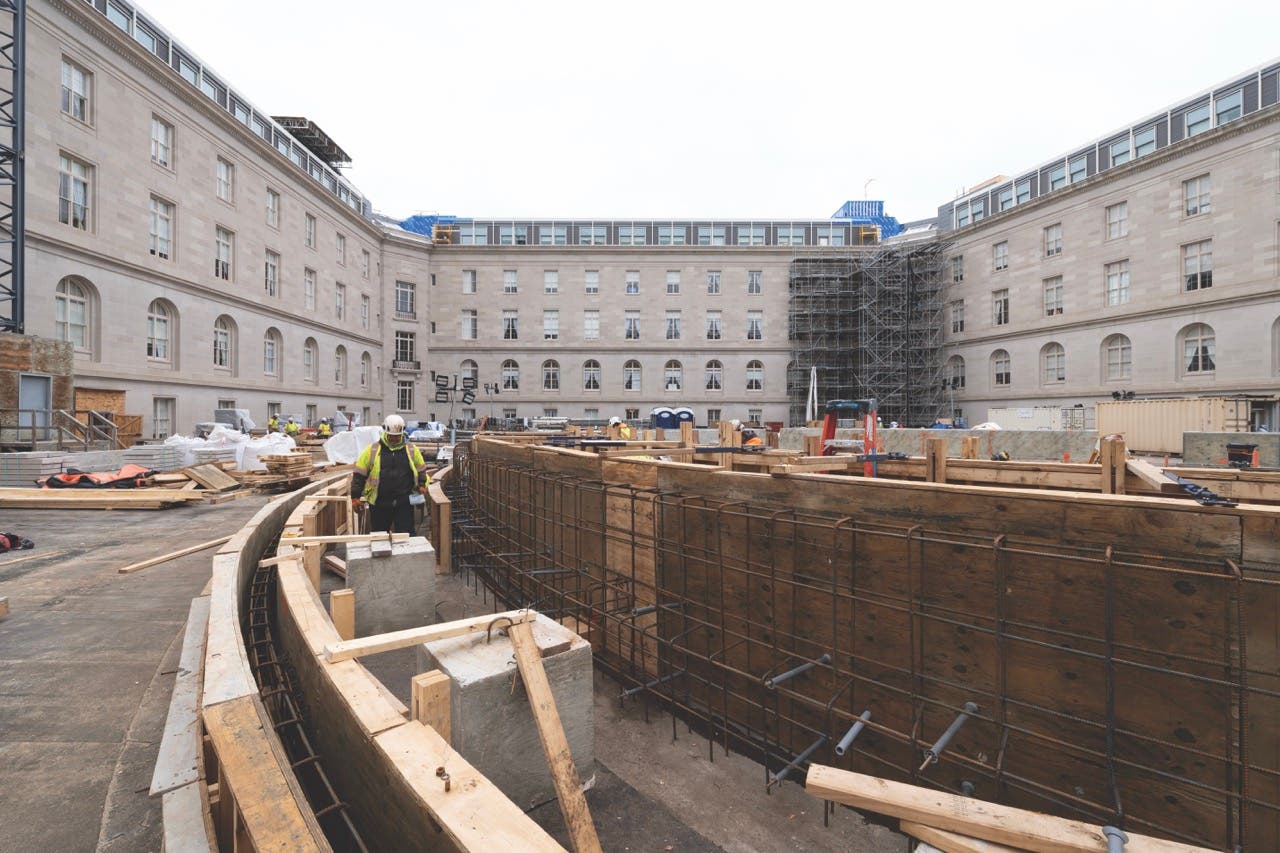
“For example, we’ve been renovating the Cannon Office Building for 10 years at a cost of $1 billion, including a redo of the interiors and a million square feet of space. All in, our team handles 500,000 work orders per year, or about 1,300 per day. Because of the congressional schedule, often we must schedule repairs at night. The Cannon office building reconstruction required five phases, and office moves in August while Congress was not in session.”
Jobsite chaos is not tolerated by congressional occupants. “When we removed the stained glass from the Senate building to restore it, we had to install temporary acrylic look-alike stained glass panels in its place.” Austin explains. “Not just a plywood substitute?” I aske. “Not an option,” he replies, deadpan. Femenella Associates did the work.
In his charcoal gray suit, white shirt, and tie, Austin stands straight, like the U.S. Army colonel he was for 30 years. He led a battalion in the 18th Engineer Brigade, Combat Engineers, with tours of duty in Iraq, Bosnia, and Afghanistan.
When he returned to the U.S., his first domestic job in the Army was to manage the facilities at the National Geospatial-Intelligence Agency. That assignment completed, he’d served in the Army for 25 years, and he thought he would retire.
Not yet. He got an offer to manage the facilities at the Arlington Memorial Cemetery. “I decided that this job would be a good way to end my Army career by giving back,” Austin explains.
“The Marines’ motto is Semper Fi, always faithful,” Austin says. “In the Army we says, ‘always flexible.’ Flexibility was particularly important when Austin and his crew restored the Tomb of the Unknown Soldier, the front gates, and the amphitheater at Arlington Memorial Cemetery. “There were bad rust stains caused by soldiers marching on the paving slabs surrounding the tomb. Do we clean them or restore them? We did both.”
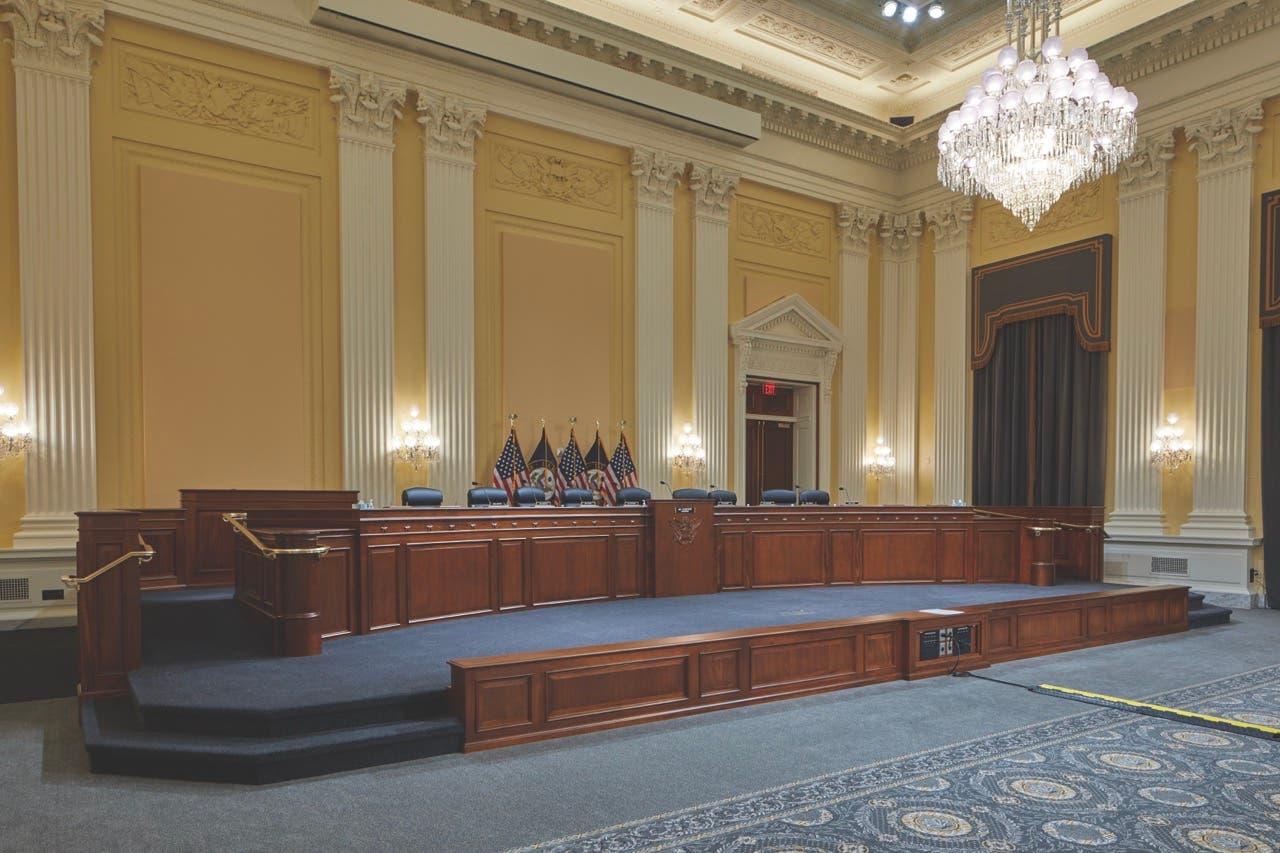
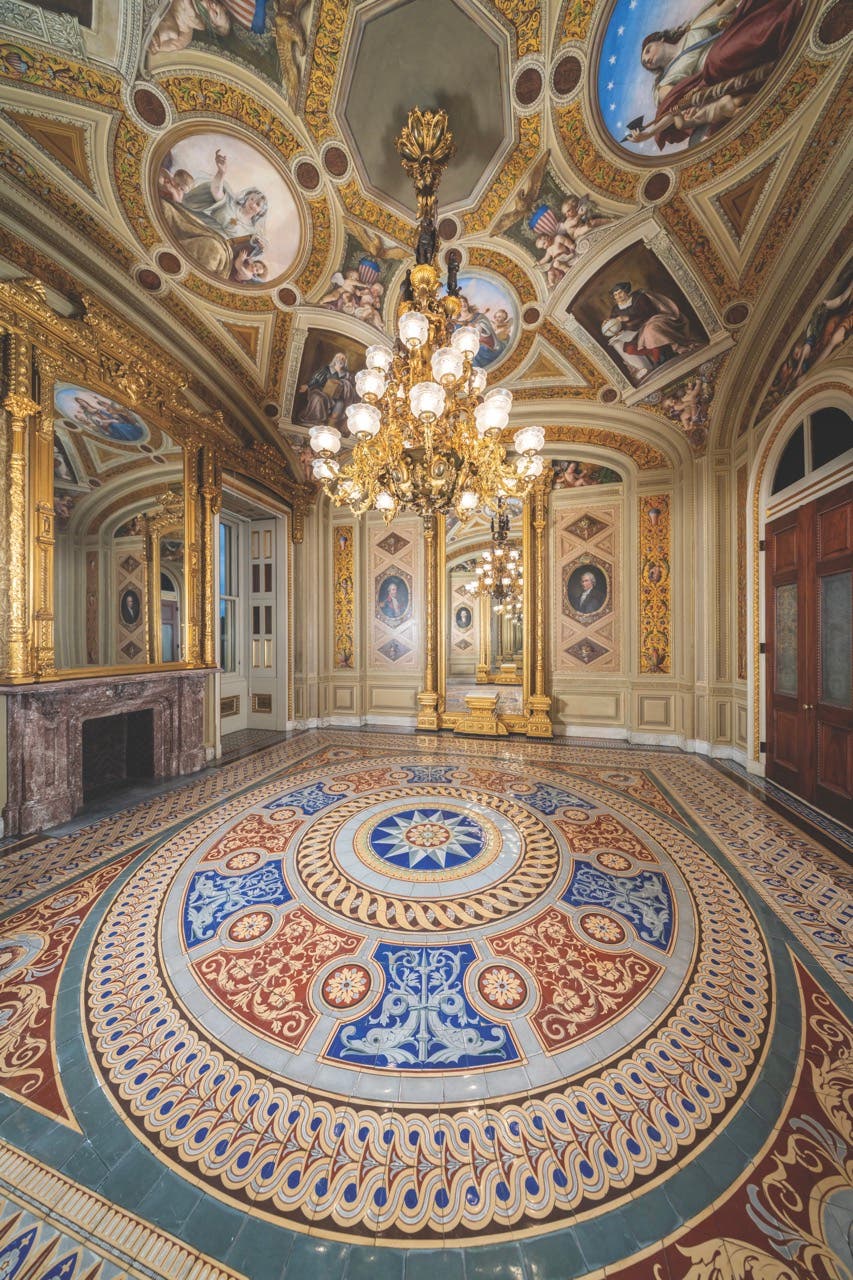
working on the buildings for over 30 years. Many are
highly skilled masons, plasterers and wood carvers.
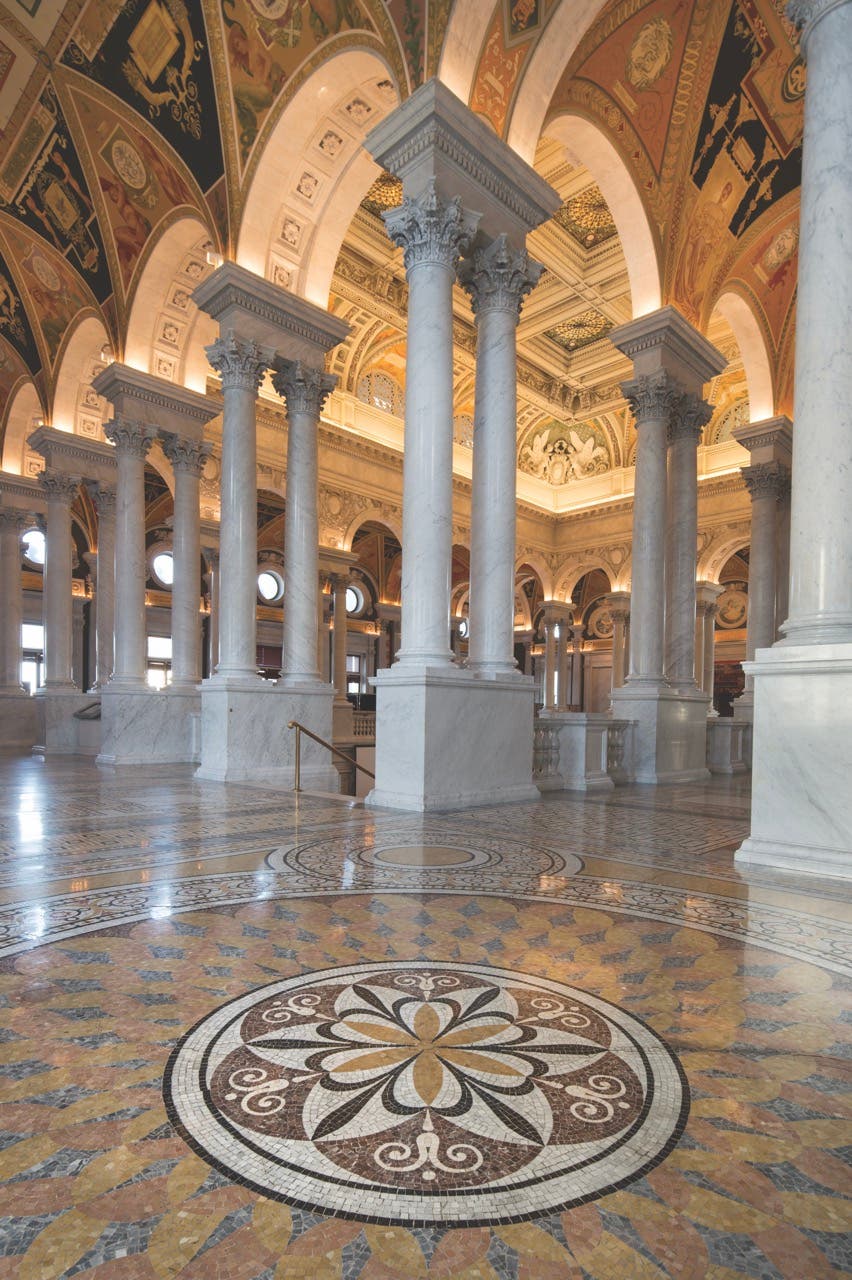
Center, a corridor at the Library of Congress.
right, Restored Committee Room in the Cannon
Office Building. Above, The recently restored
President’s Room in the Captiol.
More recently at the Capitol, Austin and his crew’s flexibility and fast action enabled them to prepare the Capitol Rotunda for President Jimmy Carter’s lying in state ceremony. Moving the presidential inauguration from the Capitol steps inside, when the weather got too cold, is another example of their improvisational skills and hustle.
Thomas E. Austin was appointed Architect of the Capitol by a congressional commission in May of 2024, informed of his new assignment by Senator Amy Klobuchar, and sworn into office by Supreme Court Justice Roberts on June 24, 2024. I asked Mr. Austin if he ever thought about his legacy, his mark on history, in this important job. “I am reminded of the legacy of this office every day. I think about those who came before us, and think we are but one chapter in a very long story of history, of service to our country,” he says. “It gives me a flutter in my stomach.”
I ask Austin, “With so much historic preservation work to be done on the U.S. Capitol campus, how do you find the right craftspeople to do it?” About a third of his facilities staff are tradespeople, including carpenters, painters, and plasterers. “We try to do a lot of it in-house, which requires training,” he explains. “Some of our crew members have been working on these buildings for over 30 years. We pair them with newer staffers in an apprentice program. For example, we will teach a painter to be a decorative painter. But we also hire outside specialists, like stone masons, hardware restorationists, and conservators.”
Austin is particularly proud of the recent restoration of historic lunettes over the archway doors in the corridor that connects the Senate chamber to the Capitol. “Our team uncovered several layers of paint over canvas and restored it to what it looked like a hundred years ago.”
Funding for renovation and restorations on the U.S. Capitol campus is approved by Congress. “My role includes advocating for what needs to be done to serve our occupants and to ensure a healthy future for these buildings,” Austin explains. “I recently walked Senator Markwayne Mullin around to look at the work we have done. Senator Mullin is the Chair of the Legislative Branch Appropriations Subcommittee. This gives him an appreciation of the work we do and its historical importance. The AOC’s budget is $850 million annually.”
“When I look out at the U.S Capitol campus, the Supreme Court, the Capitol dome, the congressional offices—these iconic symbols of our government—I know that we have a mission that is greater than ourselves. Our whole team is inspired by the work we do and by just being here.” TB


Manufacturer of handcrafted solid-bronze architectural hardware: door, window, bath, sink & cabinet hardware & kitchen accessories; 7 different finishes; traditional, contemporary & other styles.