

Features
Lisa Sasser: Winner of the 2025 Clem Labine Award
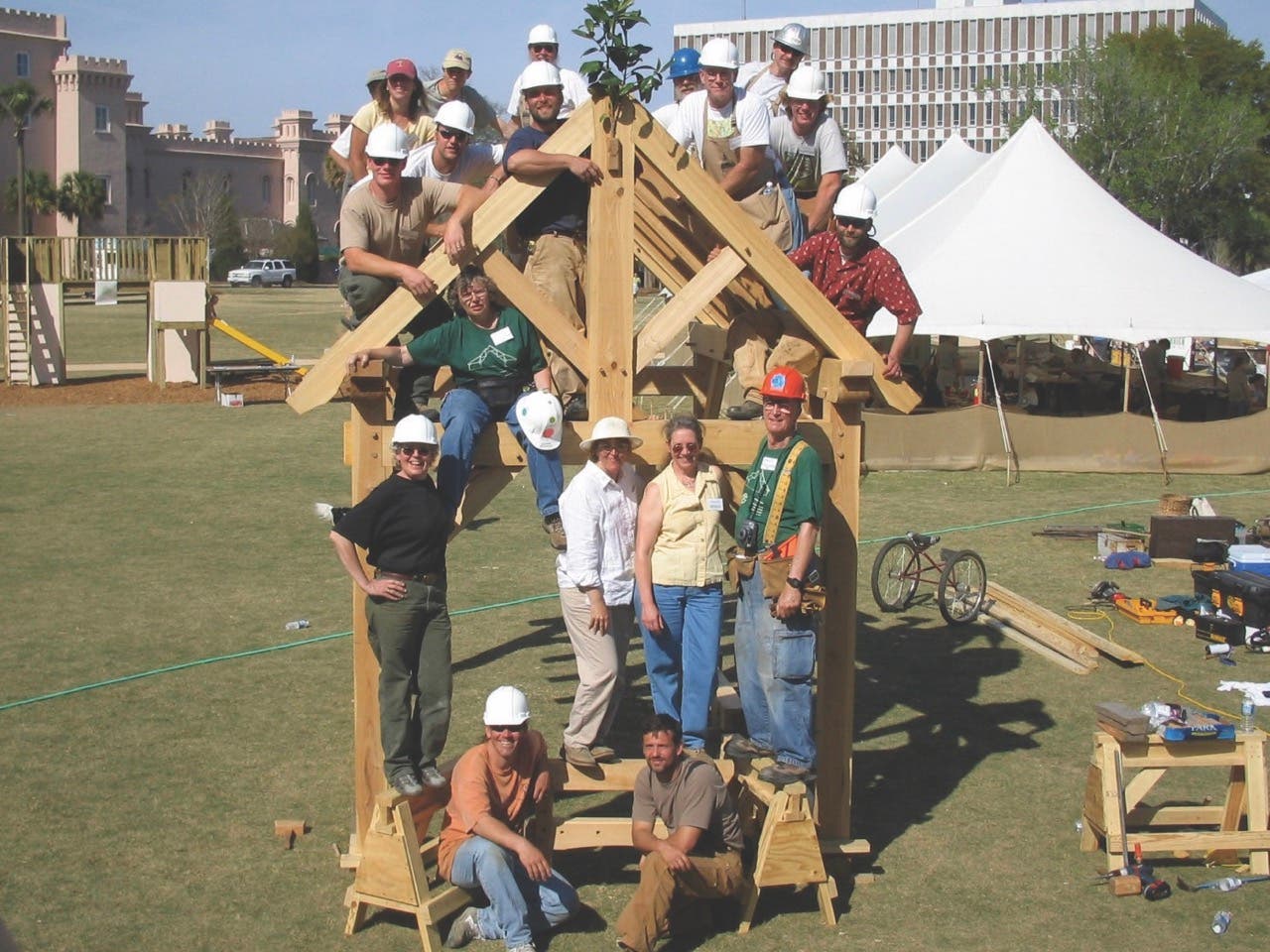
Sasser at a timber-frame demonstration with the Timber Framers Guild at the Masters
of the Building Arts Festival in Charleston, South Carolina, in 2004.
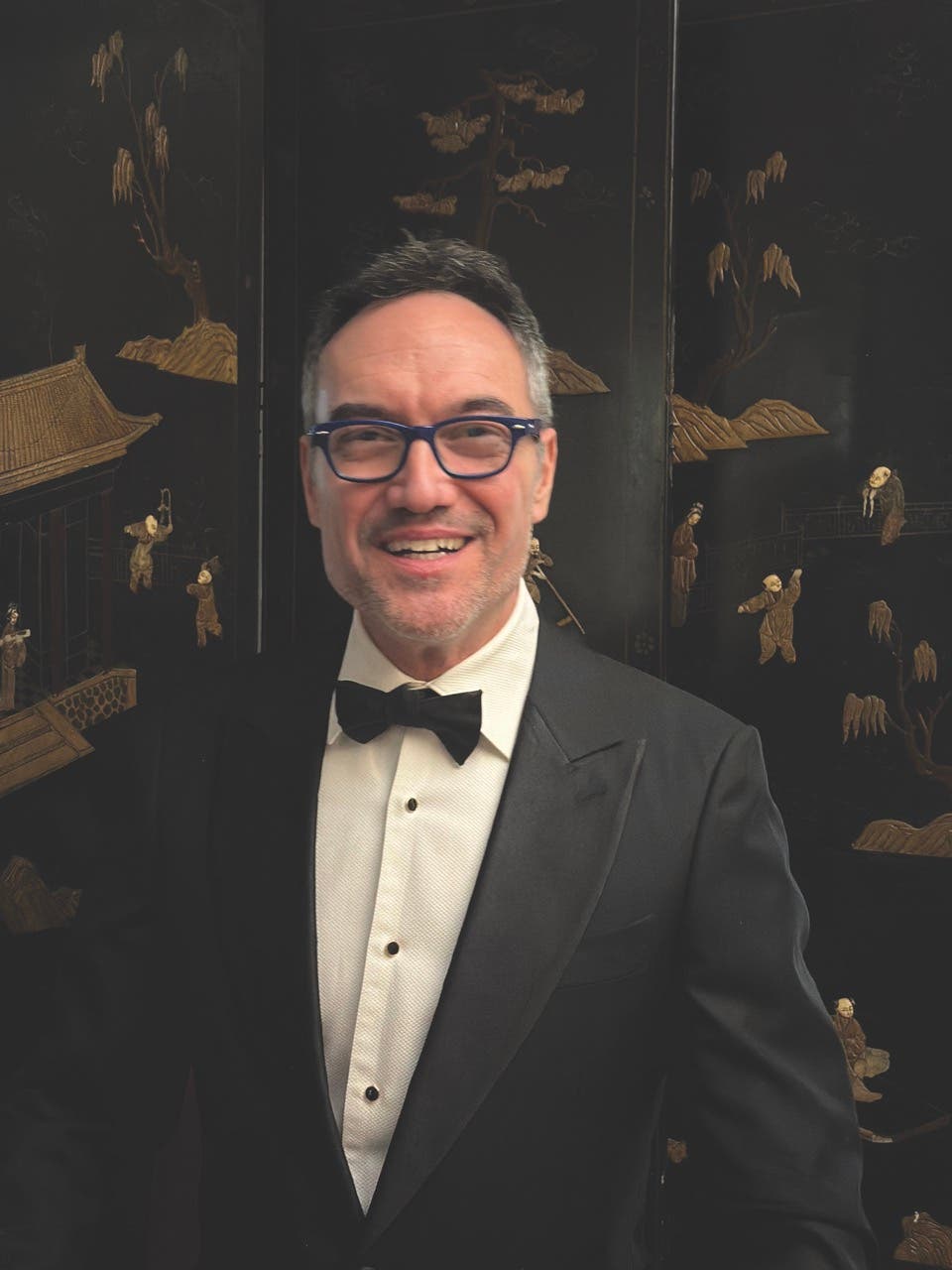
Lisa Sasser, the winner of the 2025 Clem Labine Award, has had a significant impact in the fields of historic preservation and traditional building over the last half-century.
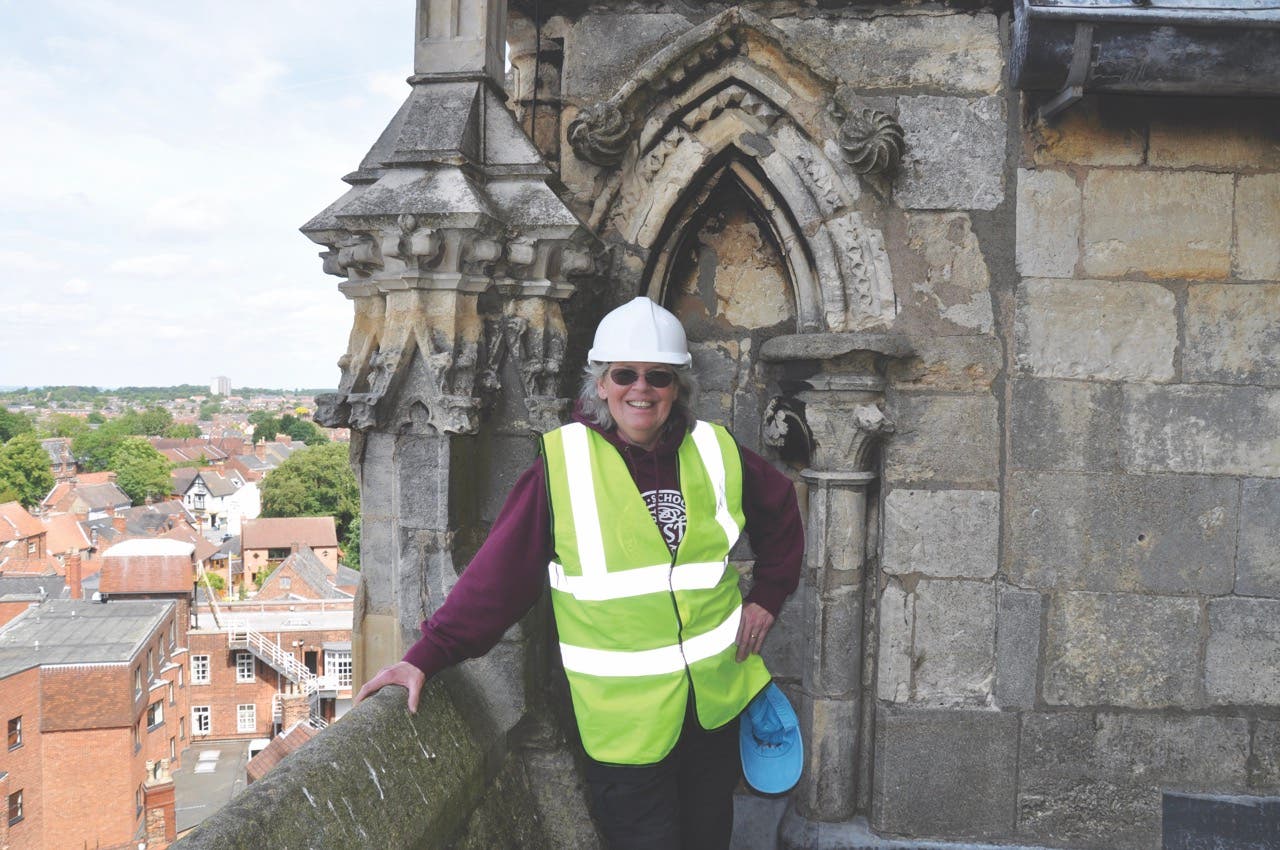
Sasser, the principal of the Maryland-based consulting firm Quid Tum Historic Structures, helped shape the foundation and core principles of the field that would become her passion and her career. And she did it amid a crowd of men.
based consulting firm Quid Tum Historic Structures. Photo by Linda Buckle
The Clem Labine Award, which is given to an individual who fosters humane qualities in the built environment by giving back to the traditional building community, isn’t her only honor. She received the 2001 Askins Achievement Award from the Preservation Trades Network, a group she was a founding member of, and in 2025, she received the Crystal Owl Award for Training & Development Excellence from the National Park Service Learning & Development Program.
A past board member and president of the Timber Framers Guild, she’s on the board of Preservation Maryland.
of the Building Arts Festival in Charleston, South Carolina, in 2004.
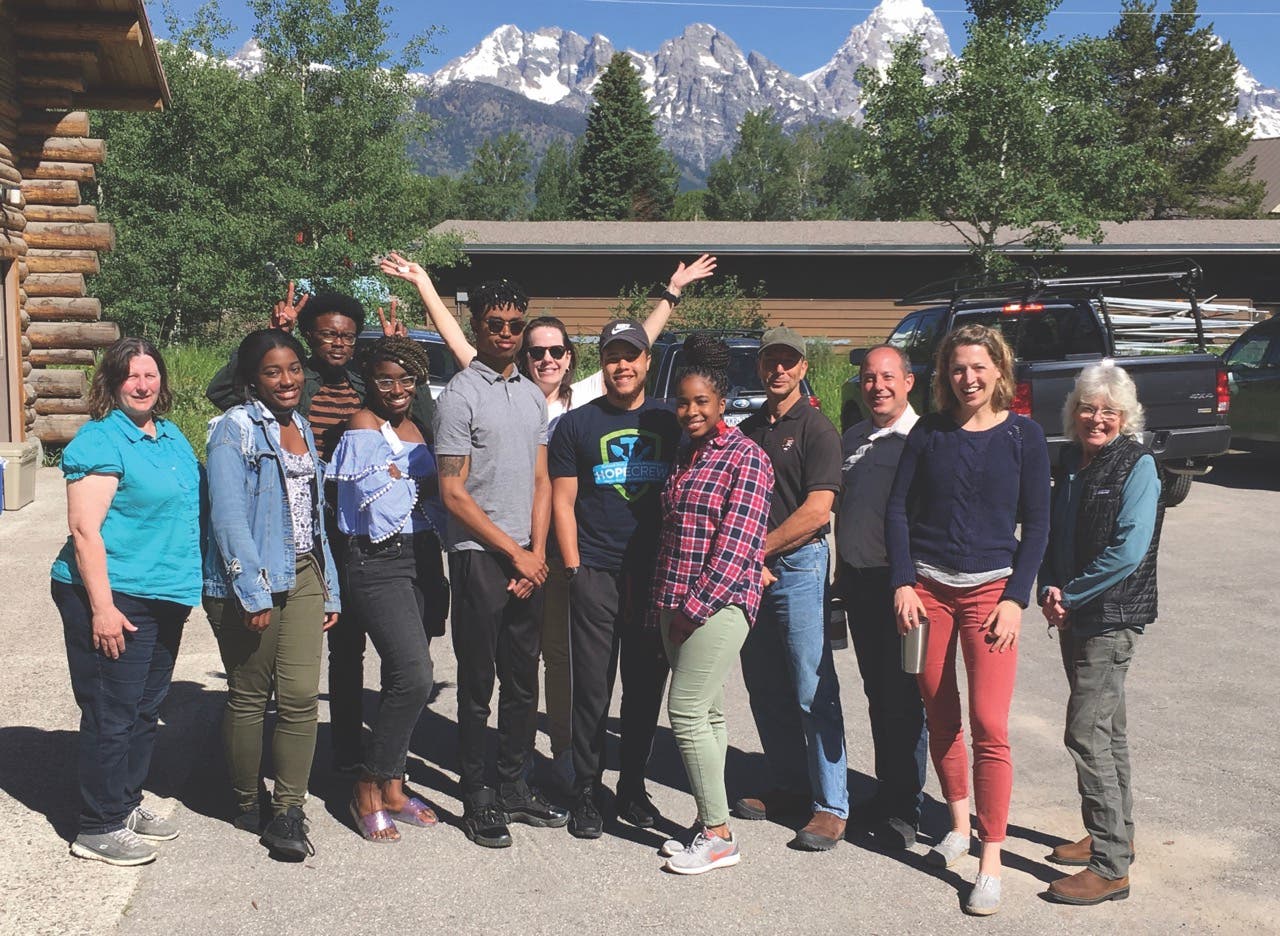
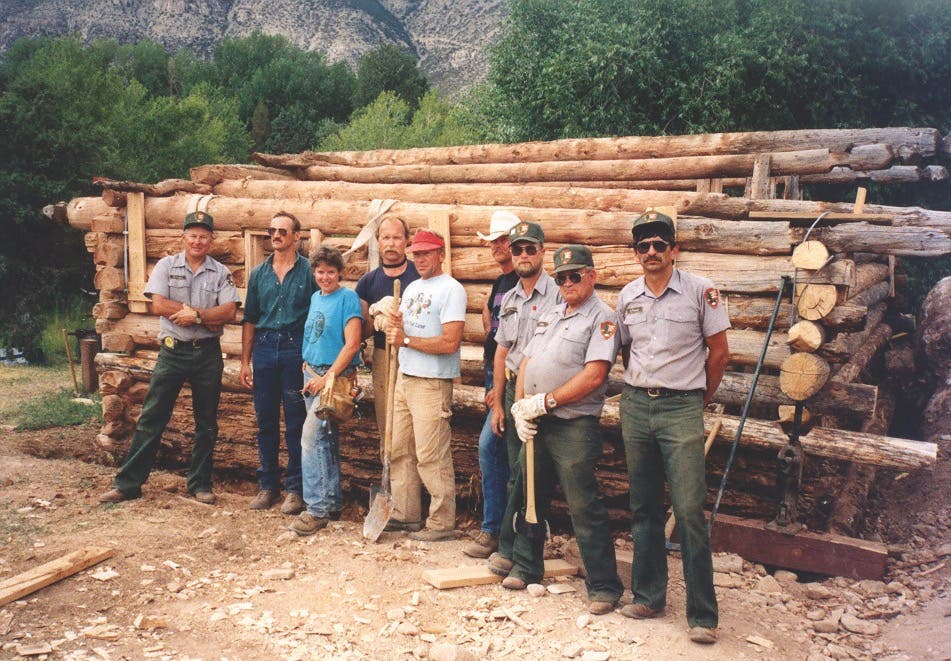
a log structure repair workshop
at Big Horn Canyon National
Recreation Area.
Park in 2018 with the Guiding
Principles for Field-Based Historic
Preservation Class.
of the Building Arts Festival in Charleston, South Carolina, in 2004.
Sasser sat down with Traditional Building to reflect on her experiences and on the evolution of the preservation field.
You are a pioneer in the field of historic preservation—you were the first woman to enter the National Park Service preservation trades training program, at a time when women were not choosing such a career path. Have you faced gender discrimination? Can you give examples?
I was prepared for a certain amount of resistance to working in a traditionally male field, first in architecture, and then in the trades, so I didn’t really pay a lot of attention to it. Over time, working with the guys, it became evident that I could give as good as I got and that I wasn’t going to give up. Working with the guys was a wonderful experience. I learned so much and made lifelong friendships.
You didn’t take a conventional path in architecture; in fact, you have done a lot of carpentry and masonry and even log-building in your career. How have those experiences impacted your work?
My first job while I was in architecture school at Texas Tech University was working at the Ranching Heritage Center of the Texas Tech Museum in Lubbock, Texas, as a museum technician. The center was established in the 1970s to preserve and showcase the history of ranching. Located on a 27-acre site, the center features a museum and an outdoor historical park with more than 50 authentic ranching structures, some dating to the late 1700s. These buildings were relocated from across the region, restored, and arranged chronologically to illustrate the evolution of ranch life. The center’s purpose is to educate the public about the history, challenges, and cultural significance of ranching. Working there when many of the buildings were being moved and restored shifted my focus from architectural design to preservation. Seeing the crews that did the carpentry and masonry work to restore the buildings sparked my fascination with the traditional trades.
What inspired your career in architecture?
My mother, Dr. Elizabeth Skidmore Sasser, was an architectural historian who taught in the College of Architecture at Texas Tech University. I essentially grew up in the architecture labs at the college, with the students serving as my unofficial babysitters. I thought the labs were the coolest place in the world to hang out, and I was fascinated by the models the students built. I knew from an early age that that was what I wanted to do.
You’ve worked on a number of high-profile structures, including Ellis Island, the Washington Monument, Eleanor Roosevelt’s Val-Kill, and Martin Van Buren’s house. Do you have a favorite project?
I loved just about every project I’ve been involved with, but some of my favorites were working on Civilian Conservation Corps rustic log and stone buildings in the Pacific Northwest.
Who has had the most influence on your work?
Jim Askins was a National Park Service preservation specialist who, after completing apprenticeships in carpentry and cabinetmaking, and assignments at Harpers Ferry, Pea Ridge, and Vicksburg, recognized a critical need for skilled craftspeople in historic preservation following the passage of the 1966 National Historic Preservation Act. In response, he began training a small preservation team in 1967, which evolved into the Williamsport Preservation Training Center, officially established in 1977 with Askins as its first chief, a position he held until his retirement in 1989. Askins viewed preservation work as a synthesis of craft skills, administrative ability, academic knowledge, and teamwork. He’s credited with transforming how the National Park Service approached the care and conservation of its historic structures. Jim was an unforgettable mentor and transformed my understanding and approach to preservation work.
You’re now focused on consulting. What are some of the projects you’re working on now, and what’s the scope of work you’re involved in?
I hope to continue teaching workshops, such as “Guiding Principles for Field-Based Historic Preservation,” and working with groups on hands-on preservation projects.
Where do you see the field going in the future? What’s the major challenge?
The field of historic preservation is facing immense and unprecedented challenges, the greatest of which will be preserving the gains in approach and professionalism that have been seen in the last 25 years as the field becomes more diverse and nuanced in the understanding of integrity and historical significance.
Given these facts, what advice would you give to someone just entering the field?
Speak with as many people as possible from as many specialties as you can. Take every opportunity to work with conservators, engineers, tradespeople, and cultural resources specialists.
It’s been especially wonderful to see younger people step into important roles in preservation and the traditional trades. For a long time, attending a Timber Framers Guild, Preservation Trades Network, or Association for Preservation Technology event involved seeing mostly people with gray hair. This is starting to change. This, along with increased representation of women and minorities in the traditional trades, is truly inspiring. I’m impressed with how seriously they take the work and the high quality of their projects.
If you had to do it all over again, what would you change?
When you reach a certain level in an organization, there’s always pressure to transition into management and step away from direct involvement in projects. I would have held out longer to keep on working directly on projects and in the trades.

Manufacturer of authentic mortise-&-tenon wood shutters: cedar & mahogany, exterior movable & fixed louver, board & batten & raised panel; cutouts, capping, arches & more; hinges & holdbacks; interior louvers, Colonial panels & open frame; painting services; made in USA; family-owned company since 1986; ships nationwide.