

Features
What Role Should AI Play in Traditional Architecture?
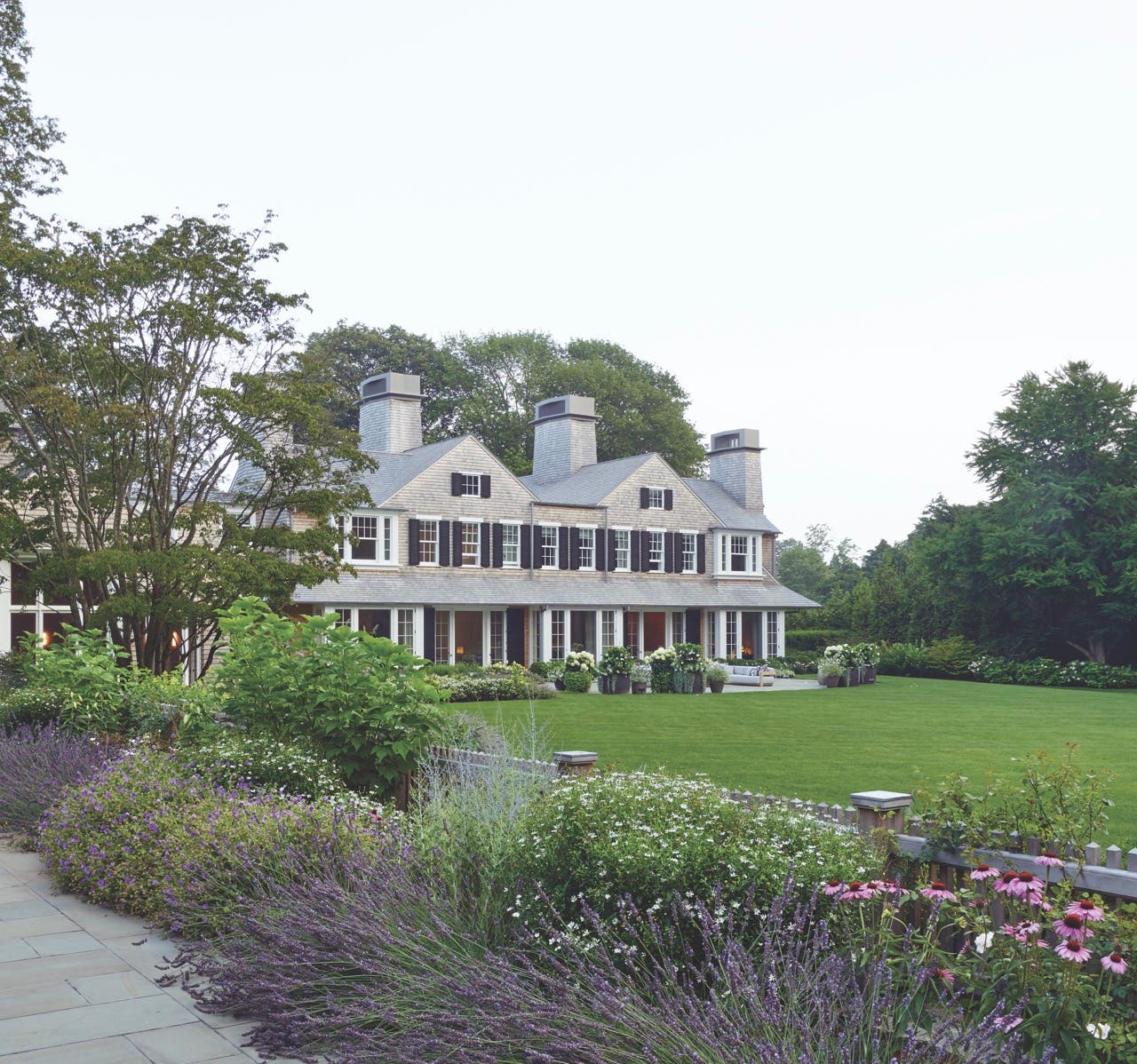
Visit the Instagram page for Boston-based ART Architects, and you’ll see a brief video of night falling over a Cape Cod tower house and the sky lighting up with fireworks.
The video was animated using AI, and it represents the limited ways the firm is using the technology—at least for now.
“AI is a tool, and we need to decide whether we want to use it to create more convincing images, or if we want to use it to actually create designs,” says J.B. Clancy, managing partner at the firm. “Even if the computer could design a building better and faster, I may not want it to. That’s not why I became an architect.”
It’s a tension that nearly all traditional architects and landscape designers are grappling with: What is the role of automation in an industry built on human craftsmanship? And in a field where clients are willing to pay a premium for hand-forged ironwork and custom cabinetry, will they suddenly begin demanding design efficiencies if AI makes push-button plans possible?
New York architect Thomas Kligerman has only dabbled with AI, but he recently asked an intern at his firm to research AI design tools, and she showed him one that could generate passable designs for basic buildings. “I realize it’s coming,” Kligerman says. “It’s not even coming. It’s here.”

Hoerr Schaudt

Kligerman Architecture and Design

ART Architects
‘A Little Cartoonish’
Nick Fobes, a partner at the Chicago landscape architecture firm Hoerr Schaudt, sees AI tools as splitting into two categories: productivity solutions that can help improve a firm’s operations, and design tools that have a direct impact on client work. His firm is already using the AI-powered notetaker Fathom and the AI voice recorder Plaud, as well as ChatGPT, to increase back-office productivity. Hoerr Schaudt is also using features in Adobe and SketchUp, but Fobes says architects mostly use these features to render and enhance their existing designs.
“Early in the design process, it’s really important that everything is human,” Fobes says. “Especially if you’re designing at a really high level, you can’t duplicate the creative process. The goal of AI should be to simplify the mundane tasks—the busy work—and allow more time for creativity and exploration.”
Kligerman has had a mixed experience with AI design tools. Occasionally, he will go into ChatGPT and type a prompt such as: Design a shingle-style house on the beach in the manner of Tom Kligerman. “It spits out a house in 15 seconds, but it really has nothing to do with anything I would do,” he says.
Other tools, he says, spit out designs that initially looked “unbelievable,” but didn’t hold up after closer inspection. “They always looked a little bit like the house from The Addams Family,” he says. “It was creepy. They all looked a little cartoonish, like something out of a video game, where you approach the castle, and the stones are all fake.”
The Road Ahead
On the other hand: One of Kligerman’s friends owns a home hardware company, and the friend recently sent Kligerman his new catalog, filled with beautiful images of city apartments, suburban mansions, and cabins in the woods. Kligerman asked which architects created the images. It turned out the friend had produced them himself using AI tools. “He told me, ‘You have to know how to talk to AI,’” Kligerman recalls. “So maybe we’re approaching a place where you sit in front of your computer, and it becomes talk-itecture.”

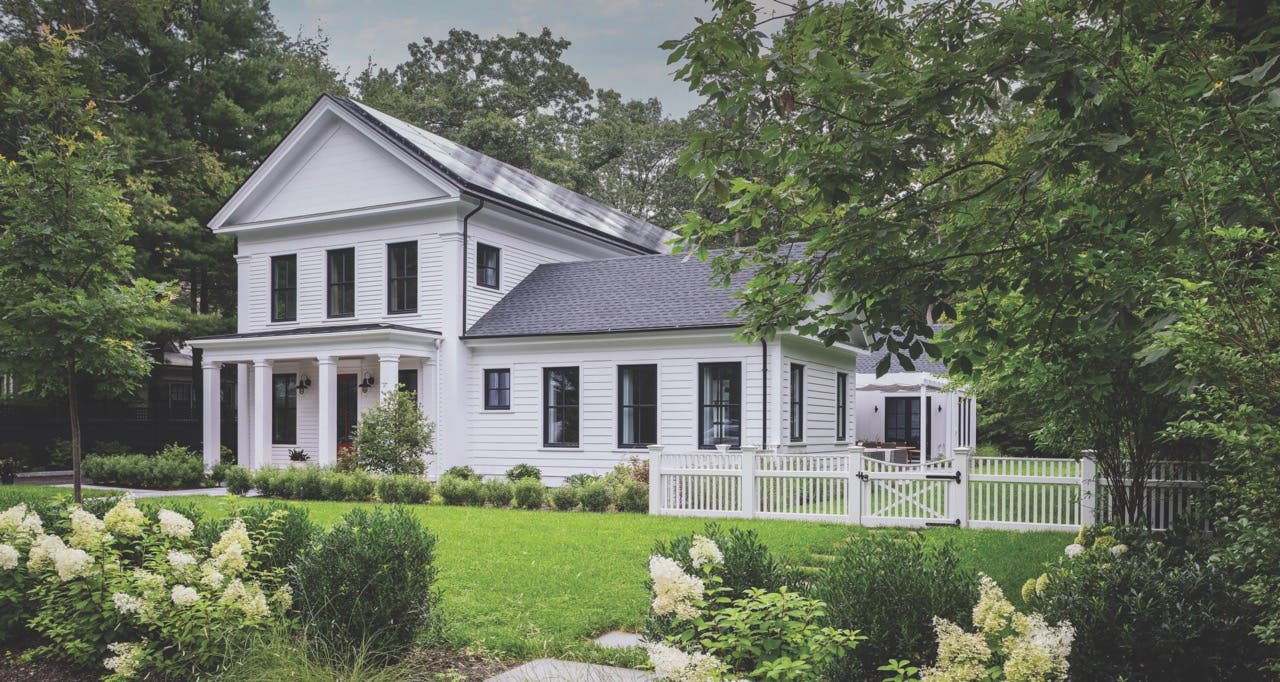
Fobes says that architects currently spend only about 20 percent of their time on design and creative thinking, with the other 80 percent going to production and updates. AI tools, he believes, will flip that dynamic. However, he predicts that clients will still want to work closely with human designers. “I could see firms that will go all-in on AI and say, ‘We’ll do it for cheaper,’” he says. “But it’s not going to be the same experience, and people are still going to want to pay for that experience. We’re embracing AI as a tool, but we’re staying true to who we are as a design team.”
Clancy knows from experience that the design process is iterative and nonlinear, with sparks of inspiration igniting at seemingly random times when architects are engaged in sometimes otherwise mundane tasks. He worries about those moments of serendipity getting lost as firms adopt automation. Still, Clancy called a meeting this spring to discuss how his firm’s employees are using AI, and he plans to keep an eye on how the technology shapes his industry in the years ahead. “I want to feel like we’re making a choice, rather than either being left behind or pushed into doing something we don’t want to do,” he says. TB
Manufacturer of handcrafted solid-bronze architectural hardware: door, window, bath, sink & cabinet hardware & kitchen accessories; 7 different finishes; traditional, contemporary & other styles.