

Blogs & Editorials
ADUs & Pet Parks Top Recent AIA Home Design Trends Survey
In case you missed it, the AIA just released the most recent installment of its Home Design Trends Survey (HDTS). Conducted quarterly with a panel of experts from over 300 residential architecture firms, the survey identifies the most popular neighborhood and community characteristics. Desired room types and home amenities are also ranked in order of preference.
The accessory dwelling unit (ADU), a.k.a. “in-law and au pair suites,” topped the list of special room requests with 46% of the survey’s respondents telling us these rooms are increasing in popularity. Separate surveys document a rise in three-generation households. It was in Q4 of last year that the ADUs jumped up, likely due to new zoning laws allowing them.
Second on the pop chart for most desired rooms are outdoor living spaces. These have waned slightly since the pandemic but remain a strong number two, with 40% of respondents reporting an increase in the demand for outdoor kitchens, covered patios, fire pits, gazebos, and those retreats which put us in touch with nature.
Then comes “flexible spaces and multi-function rooms,” like a hobby room which converts to a guest bedroom, with 33% of respondents naming this home design trend. And maybe because people are back in the office, “home offices” declined in popularity. In 2024, 40% of respondents said home offices were trending, but only 30% said so in 2025. Taken together throughout the year 2025, the outdoor room and the home office accounted for over half of respondent’s votes for “most popular special function room.”
I have a 96-year-old friend who lives alone in a two-story house. She attributes her good health (and independence) to walking up and down her stairs several times a day. She is not among the home trends survey respondents who cite the “first floor primary bedroom” as their favorite “special home feature” and “single-story homes” as their favorite home style. Wider doors and hallways are also coveted by the AIA Home Trends Survey respondents.
In the “home systems and technologies” category, the electric car docking station ranked number one. Solar panels dropped four points on the popularity scale; no more solar subsidies?
In the “neighborhood/community” section, “pet parks” leaped 12 points in popularity year-over-year from 2024 to 2025, and “tear-downs” (in desirable pet-friendly locations?) ranked way too highly for this historic preservationist.
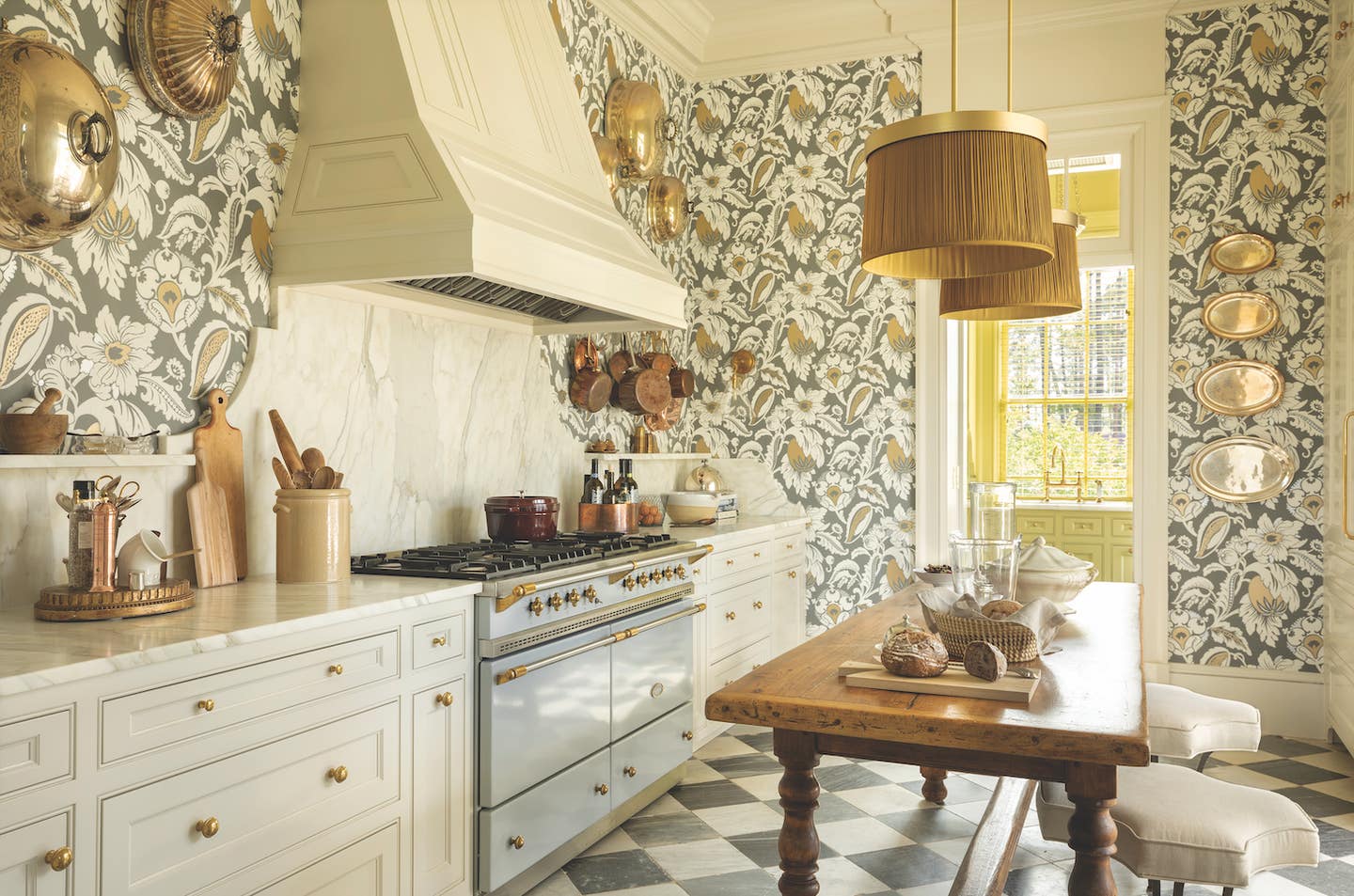
In a different survey, from one of the trendy shelter magazines, the home design trends prediction is: “2026 will see a shift toward character and authenticity.” This sounds promising!

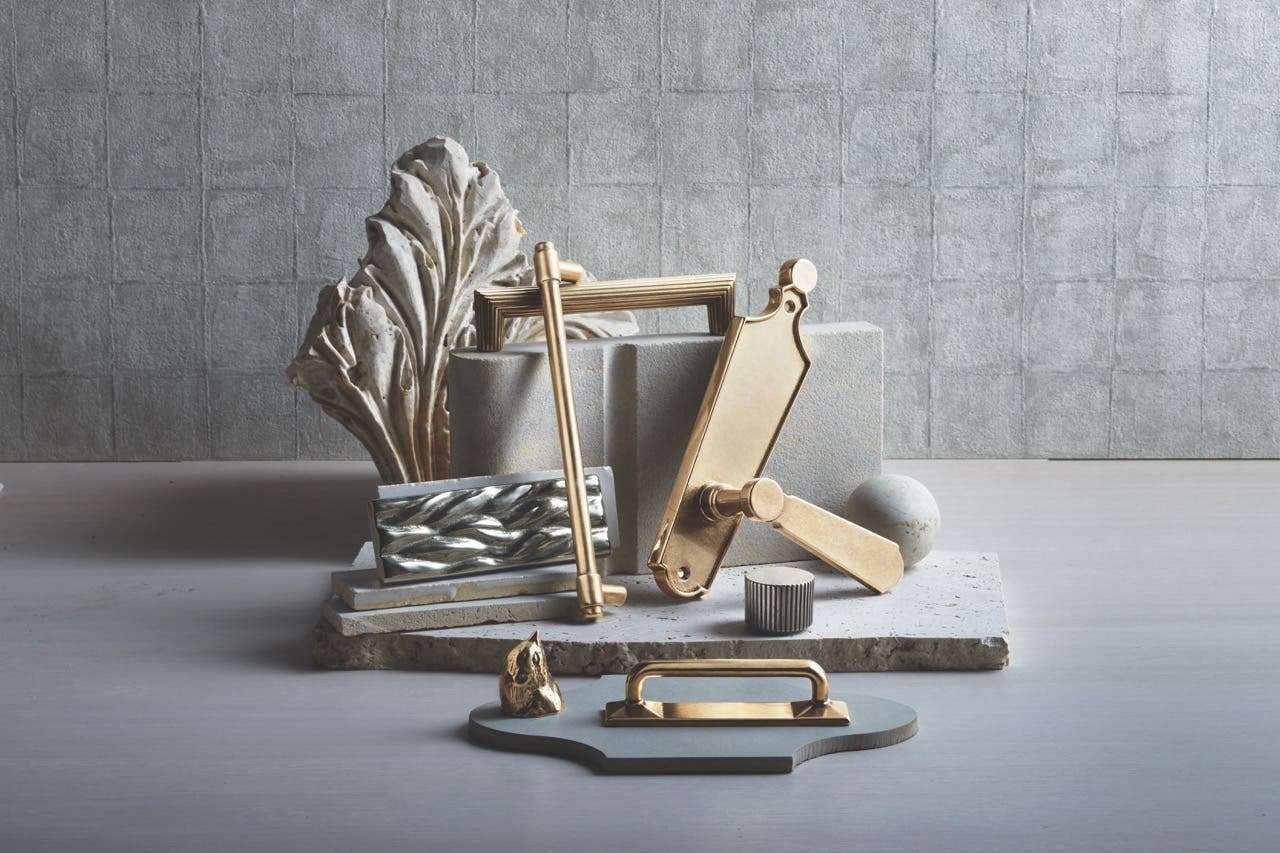
Manufacturer of handcrafted solid-bronze architectural hardware: door, window, bath, sink & cabinet hardware & kitchen accessories; 7 different finishes; traditional, contemporary & other styles.