
floral wallpaper south carolina kitchen design trends

Peter Miller

2026 Trends in Traditional Building: What’s In, What’s Out, What’s Hot, What’s Not

Read on for some of 2026’s hottest trends for classical architecture and interior design—including what’s in and what’s out.

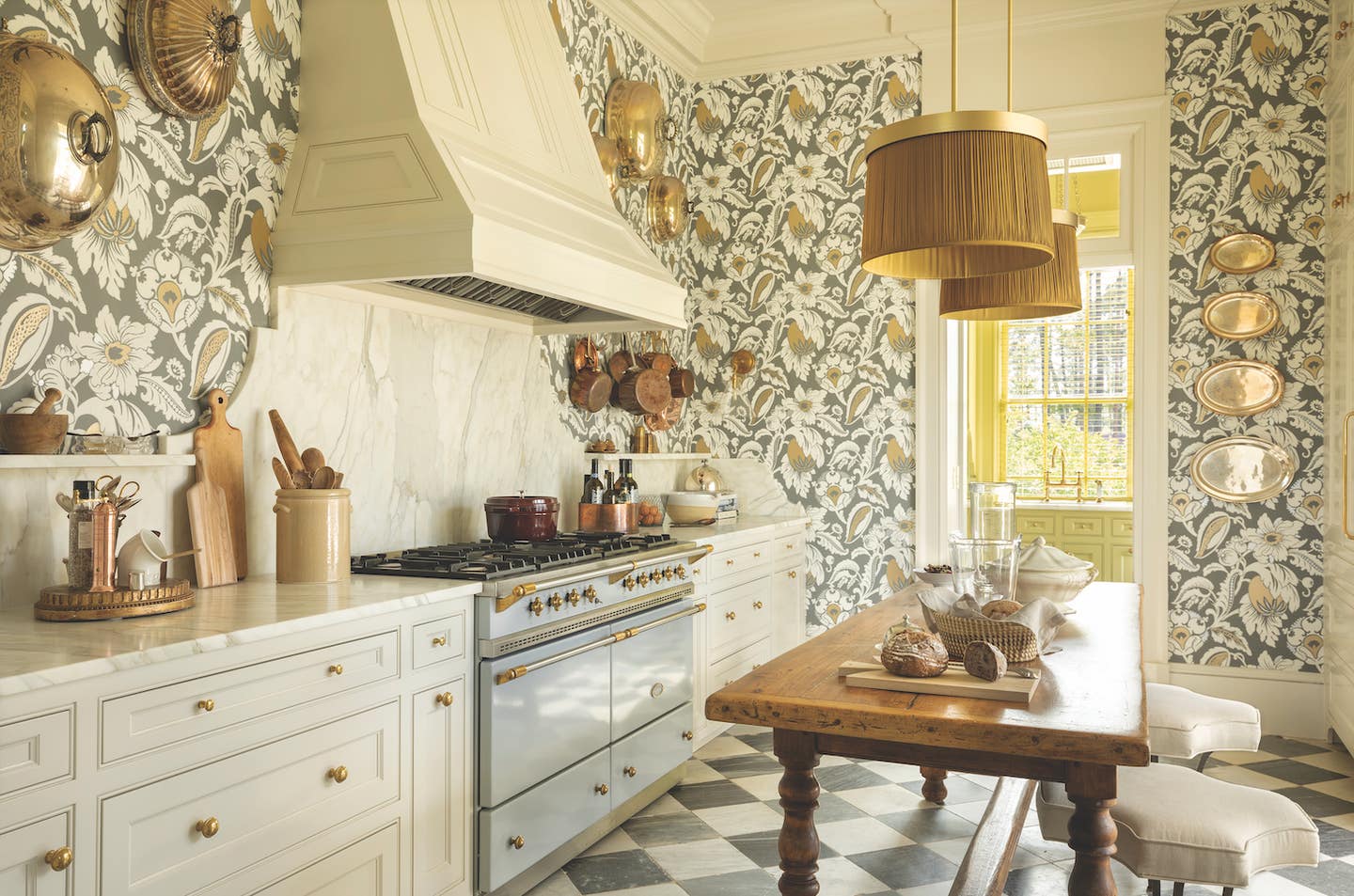
Palmetto Bluff kitchen by Michael Franck

Credit: Photo by Gordon Beall
Read on for some of 2026’s hottest trends for classical architecture and interior design—including what’s in and what’s out.

Hot or Not?

By now you have read all the end-of-year memories and new year predictions you can process. I want to add to your overload with my 2026 “What’s Hot and What’s Not” predictions about trends in traditional building. Below are classical architecture and interior design trends our team sees for the new year—along with what's out of style.

If you have your own thoughts about what’s in or out in the new year, be sure to let me know. Here are mine.

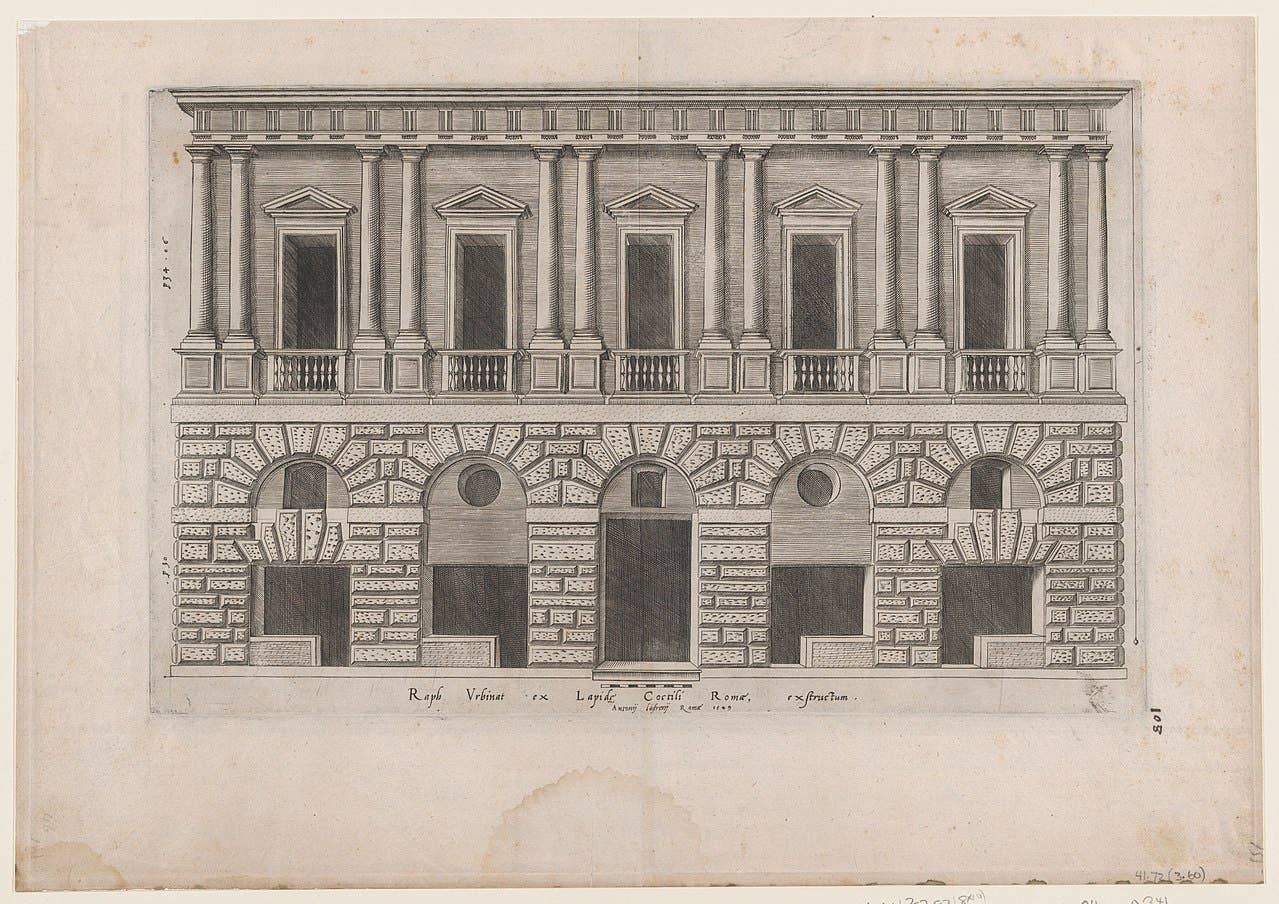
Hot: Real stone

Not: Cultured stone

Hot: Flagstone patios with grass for grout

Not: Treated lumber decks

Hot: Life cycle analysis

Not: Value engineering

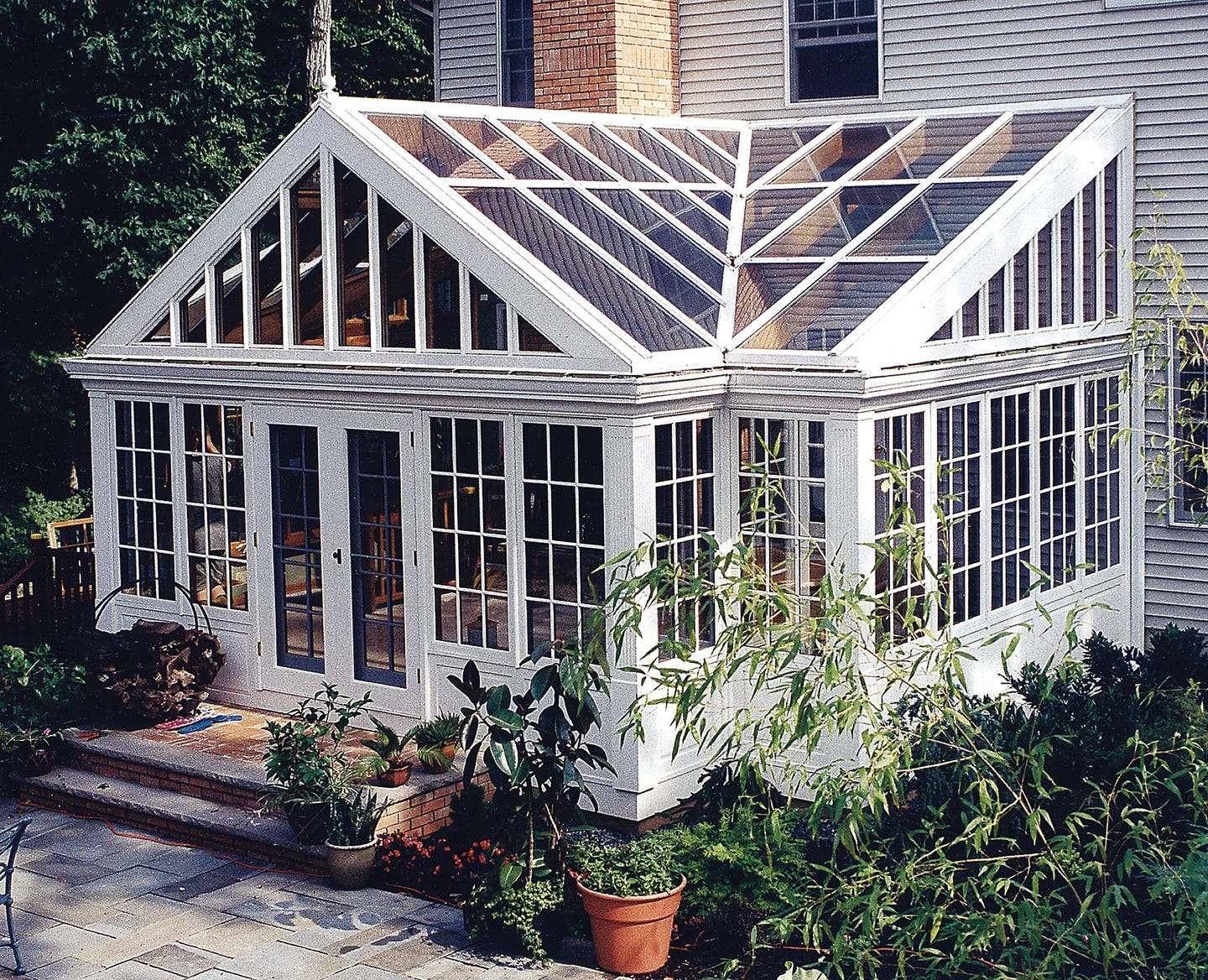
Hot: Authentic Palladian windows with true divided light

Not: Casements, no divided lights with a separate circle top window above

Hot: Anything a real estate ad doesn’t “boast” about

Not: Granite countertops

Hot: Affordable kitchen appliances that someone cooks with

Not: European appliances

Hot: Gable roofs, but not too many gables on the house

Not: Flat or slanted roofs or a house with “gableitis”

Hot: Decorative plaster

Not: Drywall

Hot: Floral-patterned wallpaper

Not: White paint

Hot: Adaptive use

Not: Teardowns

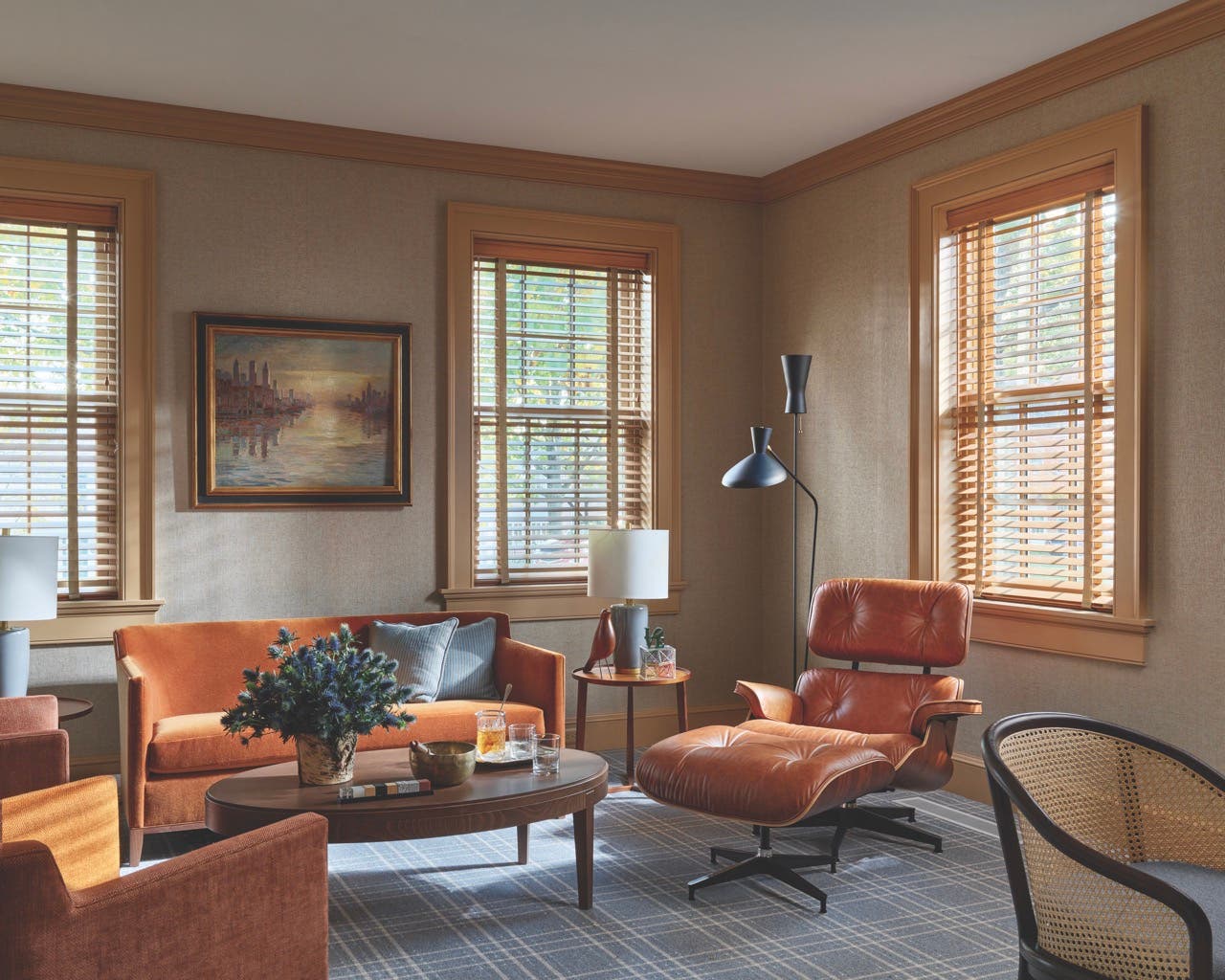
Hot: Tall double-hung Italianate windows

Not: Floor-to-ceiling glass

Clay tiles at Bella Collina in San Clemente, CA, by Huber Associates

Hot: Clay tile or shingle roofing

Not: Asphalt roofing

Hot: Dipping pool

Not: Hot tub

Hot: Real wood floors

Not: Embossed plastic wood-grained floors

Hot: Low-slung timbers on ceilings which are warm and cozy

Not: Vaulted ceilings which are cold and echo

Hot: Boxwood

Not: Yellow mums

Hot: Mid-century modern furniture

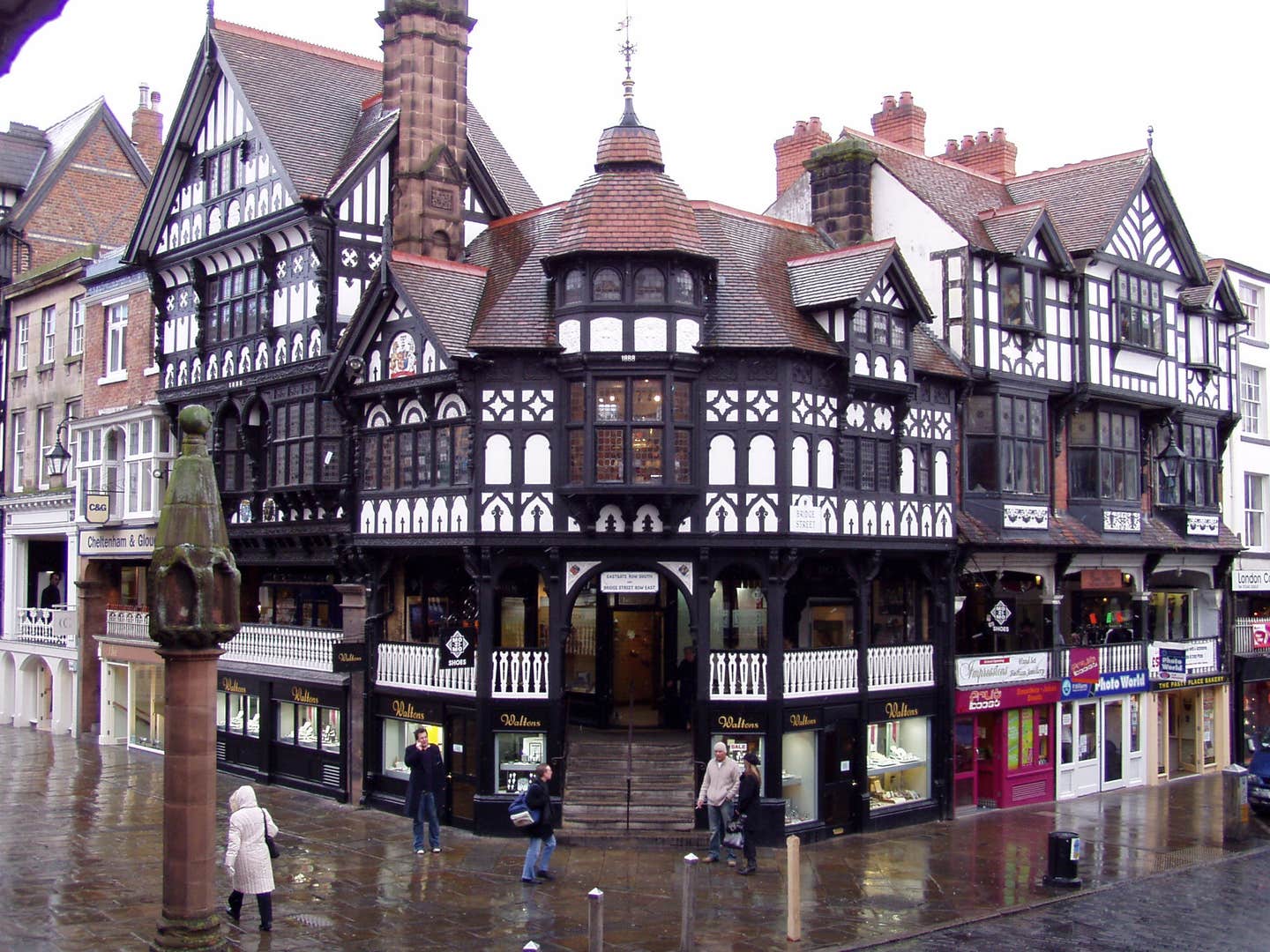
Not: Anything Victorian

Hot: Antiques

Not: Ikea

Hot: Paintings

Not: Prints

Hot: Books on shelves

Not: Grandma's brick-a-brac

Peter H. Miller, Hon. AIA, is the publisher and President of TRADITIONAL BUILDING, PERIOD HOMES and the Traditional Building Conference Series, and podcast host for Building Tradition, Active Interest Media's business to business media platform. AIM also publishes OLD HOUSE JOURNAL; NEW OLD HOUSE; FINE HOMEBUILDING; ARTS and CRAFTS HOMES; TIMBER HOME LIVING; ARTISAN HOMES; FINE GARDENING and HORTICULTURE. The Home Group integrated media portfolio serves over 50 million architects, builders, craftspeople, interior designers, building owners, homeowners and home buyers. 

Pete lives in a classic Sears house, a Craftsman-style Four Square built in 1924, which he has lovingly restored over a period of 30 years. Resting on a bluff near the Potomac River in Washington, D.C., just four miles from the White House, Pete’s home is part of the Palisades neighborhood, which used to be a summer retreat for the District’s over-heated denizens.

Before joining Active Interest Media (AIM), Pete co-founded Restore Media in 2000 which was sold to AIM in 2012. Before this, Pete spent 17 years at trade publishing giant Hanley Wood, where he helped launch the Remodeling Show, the first trade conference and exhibition aimed at the business needs and interests of professional remodeling contractors. He was also publisher of Hanley Wood’s Remodeling, Custom Home, and Kitchen and Bath Showroom magazines and was the creator of Remodeling’s Big 50 Conference (now called the Leadership Conference).

Pete participates actively with the American Institute of Architects’ Historic Resources Committee and also serves as President of the Washington Mid Atlantic Chapter of the Institute of Classical Architecture & Art. He is a long-time member of the National Trust for Historic Preservation and an enthusiastic advocate for urbanism, the revitalization of historic neighborhoods and the benefits of sustainability, including the adaptive reuse of historic buildings.