


The 25
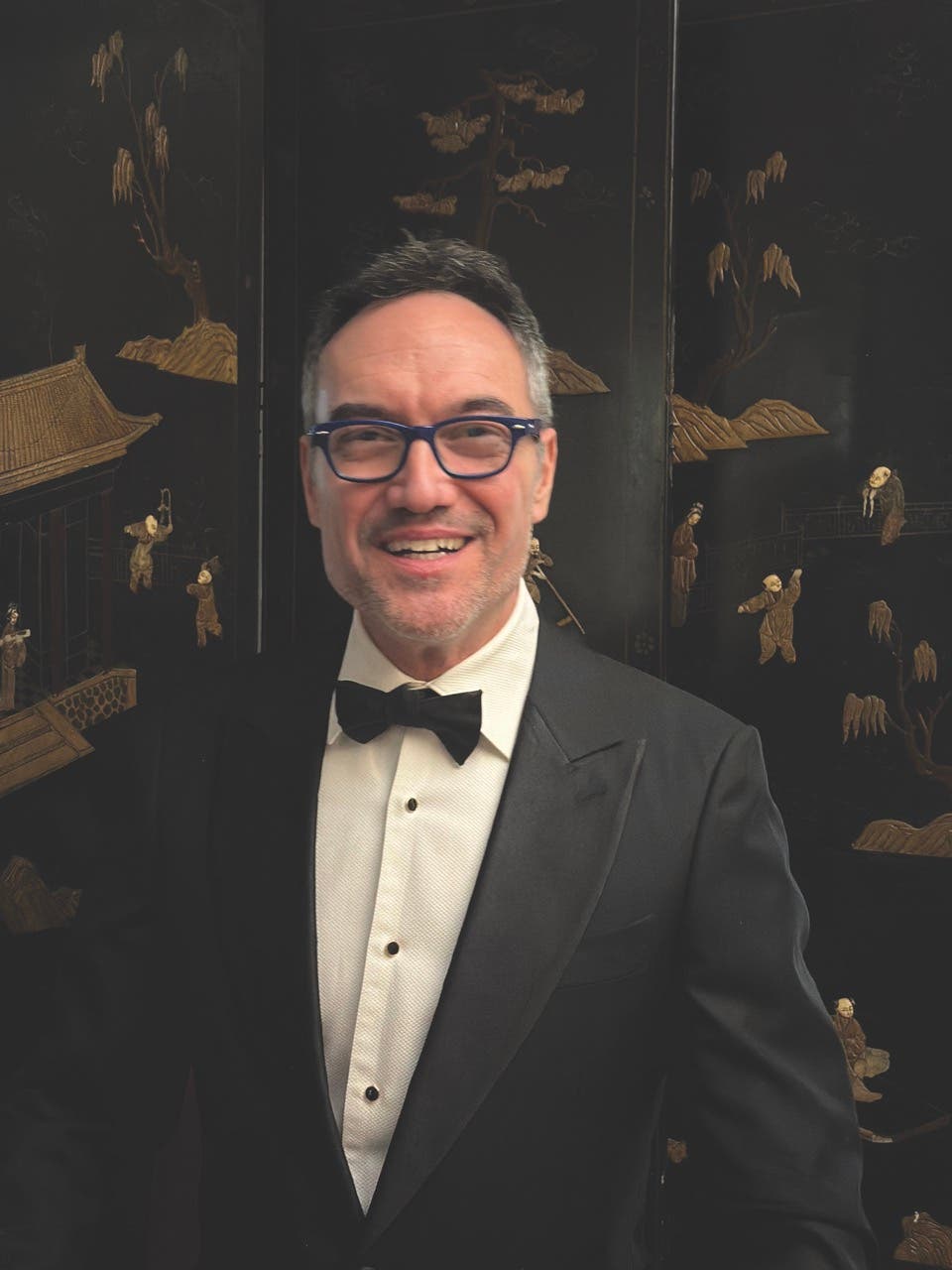
The 25 – Steven W. Spandle
Steven W. Spandle Architect
Steven Spandle is the founding principal of Steven W. Spandle Architect, which specializes in residential design. The firm has undertaken a diverse array of commissions ranging from single-family homes to Manhattan penthouses to museums.
“Integrating modern conveniences into classically inspired spaces is always an exciting part of our work,” Spandle contends.
A practitioner of classical design and passionate collector with a deep knowledge of history and the decorative arts, Spandle is the architect of the White House Tennis Pavilion—the first free-standing addition to the grounds in decades. For this project, he received both the ICAA John Russell Pope Award and Traditional Building’s Palladio Award. From 2017 to 2021, he contributed to various restoration projects at the White House and Camp David.
A native of Georgia, Spandle graduated from the Georgia Institute of Technology’s architecture program and received a Master’s of Classical Architecture from the University of Notre Dame School of Architecture. Before opening his practice in 2015, he worked with nationally recognized architecture firms in Atlanta, Boston, and New York.
His enthusiasm for the fine and decorative arts brings a unique perspective to his practice. He also shares his knowledge generously via prominent speaking engagements, service on various boards, and membership in significant organizations such as the Connoisseur Society at George Washington’s Mount Vernon; the Collector’s Circle at the Winterthur Museum, Library, and Garden; and the Friends of the Collections at Colonial Williamsburg.
Spandle’s lifelong fascination with architecture, art, and design began with childhood visits to museums and historic houses. These destinations profoundly shaped his professional pursuits and influenced his understanding of design.
“Classicism, or traditional architecture, is a language, and much like a written narrative, there are endless stories to be told,” he describes. “Whether designing something new or reimagining an existing building, the process is always exciting.”
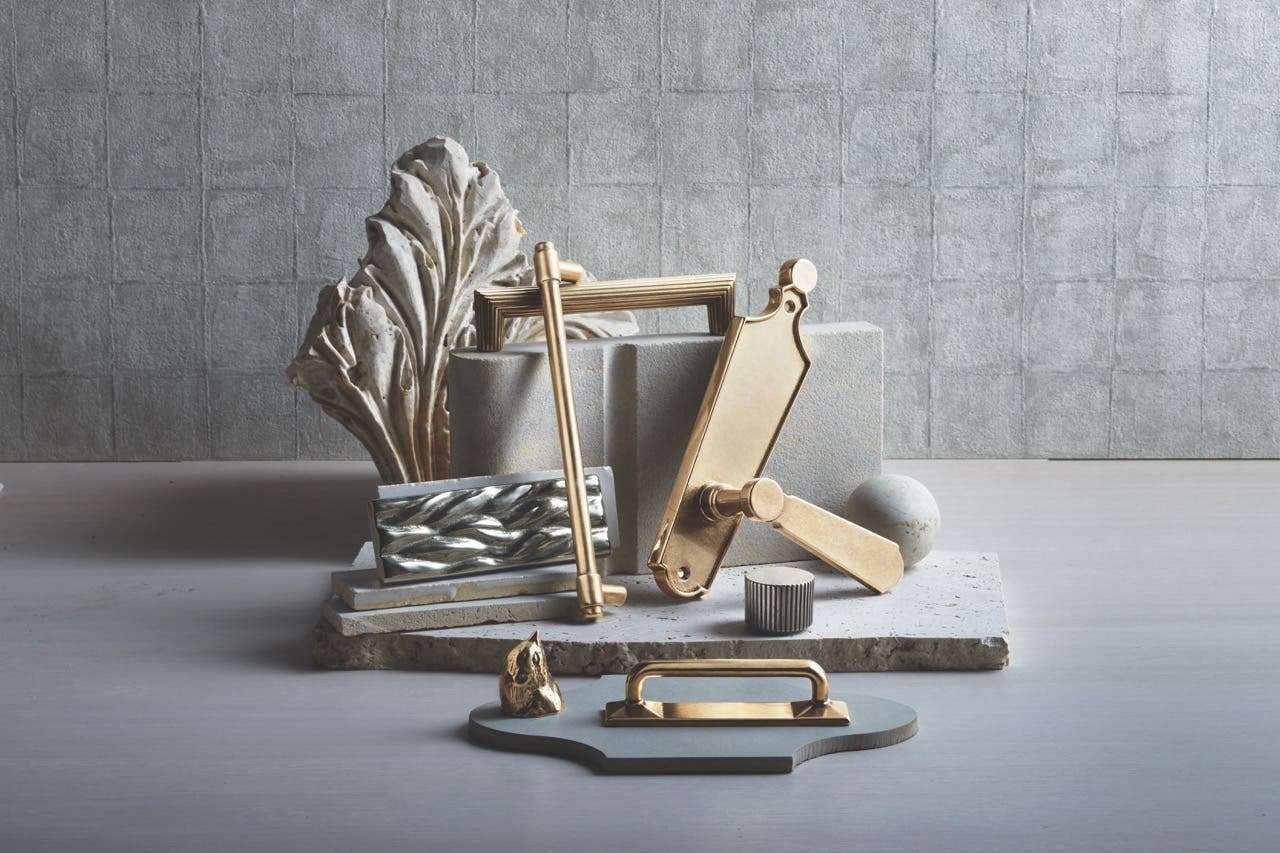
Manufacturer of handcrafted solid-bronze architectural hardware: door, window, bath, sink & cabinet hardware & kitchen accessories; 7 different finishes; traditional, contemporary & other styles.