

News
Traditional Building Conference Visits Salem, MA March 24-25, 2026
This March 24 and 25, the Traditional Building Conference will visit Salem, Massachusetts in partnership with the New England chapter of the Institute of Classical Architecture & Art (ICAA). Read on to learn more about the conference's schedule and highlighted sessions.
Architecture today operates across longer timelines and greater responsibilities than ever before. Buildings are no longer understood simply as objects of design, but as participants in environmental systems, cultural memory, and civic life. Decisions about reuse, adaptation, and new construction now carry consequences that will extend far beyond the present.
Against this backdrop, the Traditional Building Conference 2026 titled Continuity & Change: Architecture, Climate, and Craft convenes in Salem, Massachusetts, on March 24–25, 2026. Held in partnership with ICAA New England, the two-day conference brings together architects, preservation professionals, and allied practitioners to explore how inherited places, traditional knowledge, and contemporary performance demands can inform responsible paths forward.
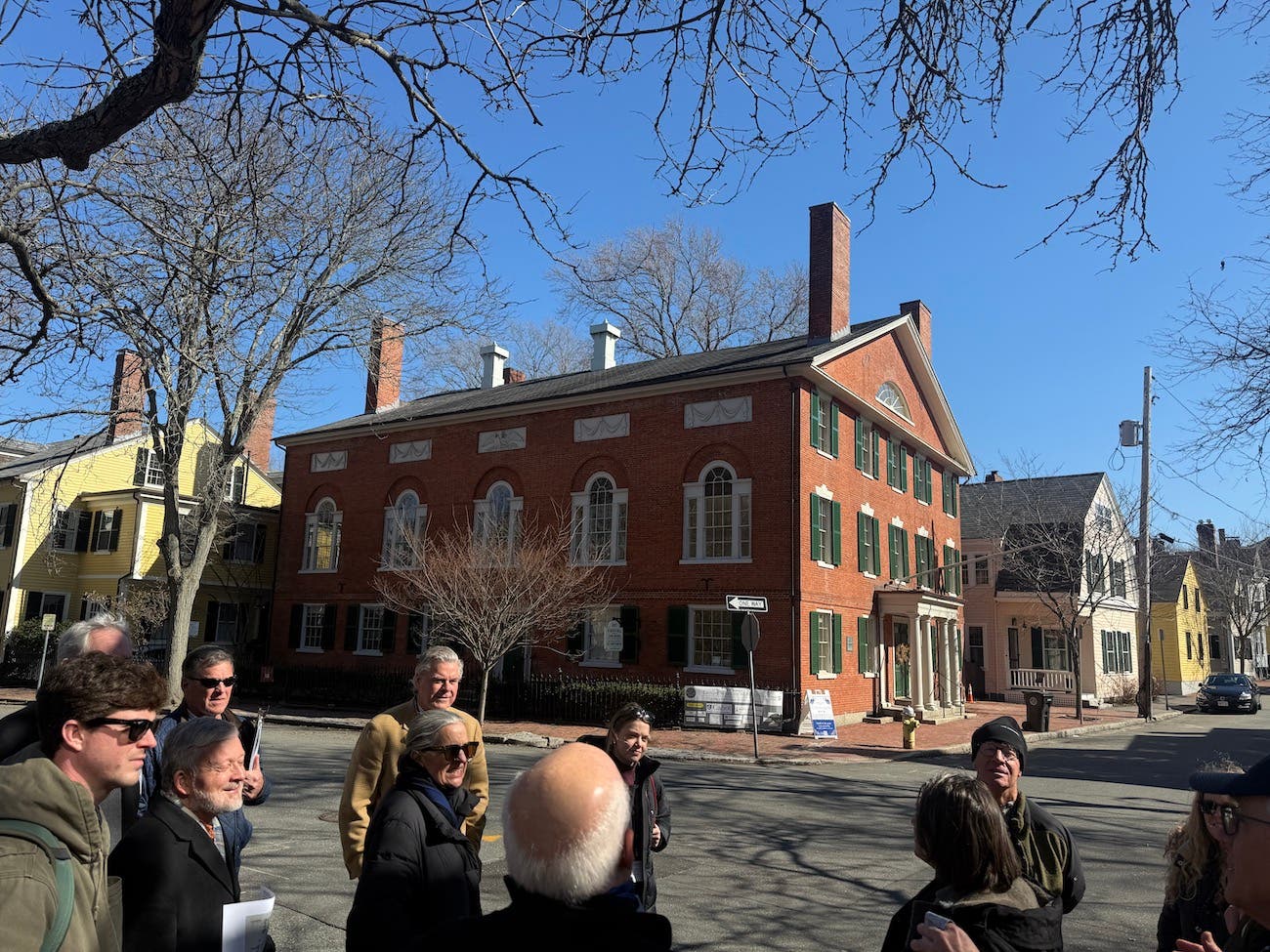
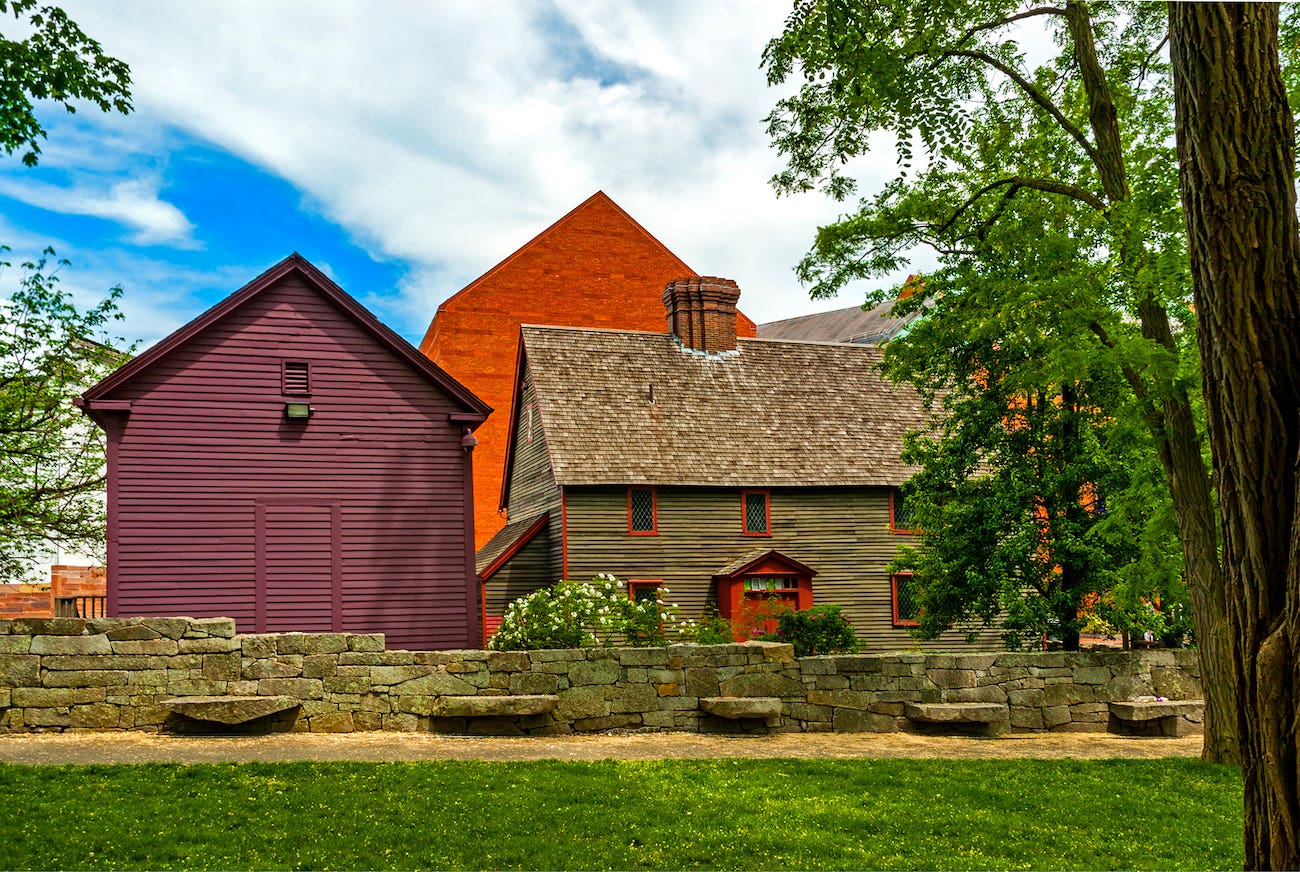
Salem provides an ideal setting. Its streets and buildings reveal centuries of accumulated decisions— evidence of how continuity, when carefully maintained, allows cities to evolve without losing their identity. The conference draws on this setting to frame conversations that move between theory, practice, and place.
Each morning begins with continental breakfast and informal networking with sponsors, followed by full days of lectures, discussion, and shared meals designed to encourage sustained exchange among attendees.
Other Traditional Building conferences in 2026 will take place in Cape May, New Jersey and Charleston, South Carolina.
Traditional Building Salem Conference Themes & Schedule
The Salem conference's schedule includes lectures and sessions that touch on themes regarding Continuity & Change—themes like environmental responsibility, the framework that traditional provides, and the architectural and preservation examples Salem has set.
Energy, Reuse & Climate Responsibility
A central theme of the conference is the relationship between energy, form, and stewardship. In a session calld Going for Zero: Decarbonizing the Built Environment on the Path to Our Urban Future, Carl Elefante, FAIA, will reframe sustainability as a long-term obligation rather than a short-term technical exercise. Drawing on decades of experience in adaptive reuse, Elefante argues that existing buildings are essential assets in reducing carbon emissions. Extending service life through reinvestment and climate-adapted design, he contends, delivers environmental benefits while reinforcing social and economic resilience.
This long view is reinforced in Form Follows Energy: Residential Design Before and After Fossil Fuels, presented by JB Clancy, AIA, managing partner at ART Architects. Clancy traces the evolution of American residential design from the 17th century to the present, examining how shifts in energy sources reshaped building form, materials, and climatic responsiveness. By comparing pre-fossil fuel houses—built with passive strategies and local materials—to contemporary construction, he highlights how traditional forms once functioned as inherently low-energy structures. The session challenges designers to recover these lessons and apply them to present-day residential practice.
Together, these talks frame climate action not as novelty, but as rediscovery—reconnecting architecture to energy reality.
Tradition as a Living Framework
Architect Patrick Ahearn, FAIA, approaches continuity through the lens of tradition as an active discipline. In The Discipline of Tradition: Historically Inspired New Construction and Renovation, he explores how new architecture can feel deeply rooted in place without resorting to imitation. Drawing from projects featured in History Reinterpreted and his forthcoming book, Driven: The Road to Iconic Design, Ahearn demonstrates how proportion, scale, materiality, and narrative coherence give buildings a sense of inevitability.
When addressing renovation, Ahearn moves beyond strict restoration, advocating instead for the continuation of a building’s underlying idea. Contemporary building science, energy performance, and regulatory requirements are integrated discreetly, preserving architectural clarity while ensuring long-term livability.
Craft, Detail & Meaning
The challenges of preservation become especially visible in the details. In Historic Door Replacement and Restoration: The New York Stock Exchange, Richard W. Off, AIA, presents a case study of the landmark Beaux-Arts building designed by George B. Post. Off traces the research, design, and landmark consultation processes that guided the rehabilitation of the building’s entrances, balancing selective material salvage with new construction where required. The project demonstrates how preservation craft, paired with modern technology, can restore architectural integrity while meeting contemporary codes and performance standards.
Learning from Salem: Walking Tours
The conference extends beyond the lecture hall into Salem’s historic fabric. John Tittmann leads programs centered on the city’s most influential designer in A 21st Century Conversation with Samuel McIntire (1757–1811), followed by McIntire and More: The Architectural Details of Broad and Chestnut Streets. Through lecture and guided walking tour, Tittmann examines proportion, detail, and urban composition, inviting participants to engage directly with Salem’s streets and buildings.
Additional site visits include the Phillips House, Gedney House, House of the Seven Gables, and Gardiner-Pingree House, along with a measured drawing exercise and a visit to the Yin Yu Tang House at the Peabody Essex Museum.
A Shared Obligation
Continuity & Change: Architecture, Climate, and Craft is not framed as a prescriptive program, but as a collective inquiry. In partnering with the ICAA New England chapter, the conference affirms the enduring value of tradition, craft, and long-term thinking as essential tools for addressing today’s environmental and cultural challenges.
In Salem, where architecture remains a living record of layered decisions, the conference poses a timely question: how might today’s choices be worthy of the future they help shape?
Designer, fabricator, finisher & installer of fine quality custom ornamental metalwork for a national market. Products include Stair and balcony railings, fences, gates, custom, metal doors & windows, lighting, grilles, canopies and more. Wiemann is a national sales representatives for Crittall Steel Windows. All cast & wrought-metal alloys, finishes & architectural styles. Since 1940.