

News
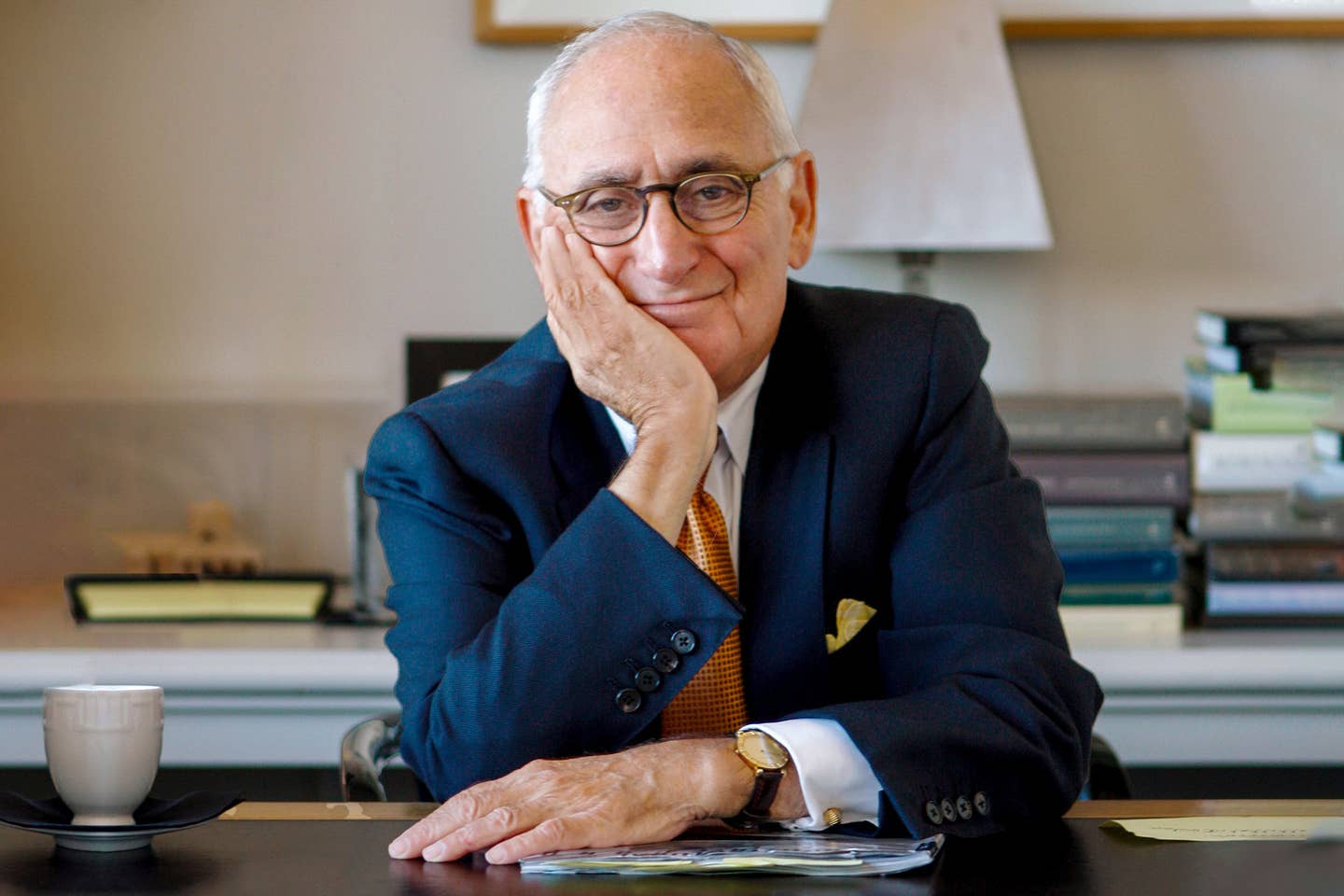
In Memoriam: Robert A.M. Stern, Prolific NYC Architect
Robert A.M. Stern, who died on Nov. 27, 2025 at the age of 86, will be remembered as one of the rare architects whose work managed to be both timeless and immutably of its time. Across a career that reshaped skylines, revived traditions, and reframed the dialogue between past and present, he stood as a steward of architectural memory—yet never stopped pushing the field forward. His buildings did more than solve problems; they narrated stories about cities, histories, and the people who inhabit them.
Stern’s commitment to classical proportion and urban civility emerged not as nostalgia but as conviction: a belief that architecture thrives when it listens as much as it speaks. Whether designing a house, a university quadrangle, or a soaring residential tower, he brought a clarity of purpose that married craftsmanship with modern life. His work proved that tradition could be reimagined without being abandoned, and that beauty and rigor could coexist without compromise.
As an educator and leader, Stern shaped generations of architects with the same care he brought to his buildings. His tenure as dean at Yale School of Architecture helped anchor the discipline through turbulent stylistic debates, insisting that breadth, scholarship, and respect for architectural lineage were not impediments to innovation but foundations for it. Many who studied or worked with him carry forward his insistence on intellectual honesty, historical curiosity, and meticulous practice.
But perhaps Stern’s most enduring legacy is the way his architecture made people feel: grounded, dignified, connected. His buildings invited inhabitants to belong to a larger story—a city’s heritage, a campus’s identity, a community’s long arc. They offered continuity in a world that often rushes toward novelty for its own sake.
As we reflect on his extraordinary body of work, we remember not only an architect but a narrator of place, a defender of tradition, and a visionary of enduring relevance. Robert A.M. Stern, the founding partner of RAMSA, leaves behind a legacy etched in stone, steel, and imagination—one that will continue to shape how we build, how we learn, and how we understand the built world for generations to come.
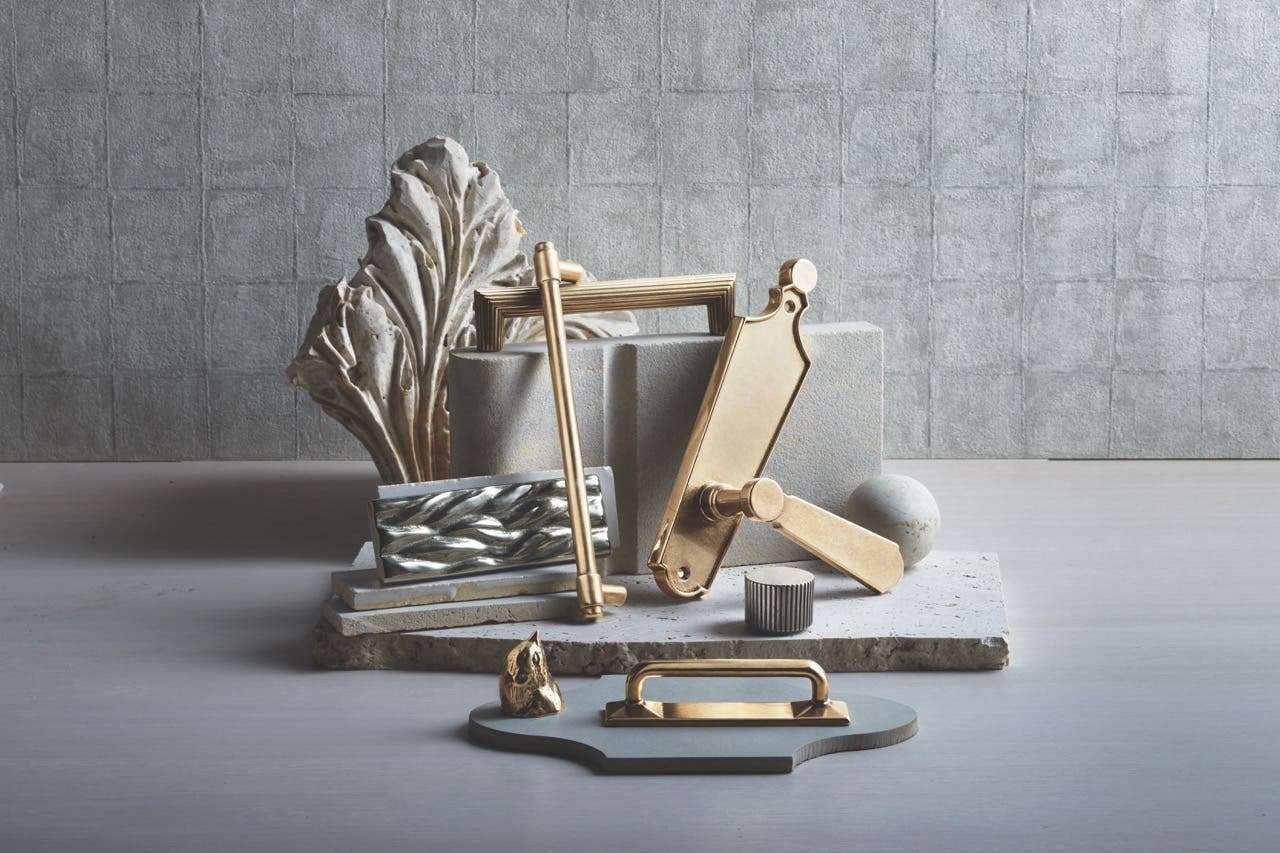
Manufacturer of handcrafted solid-bronze architectural hardware: door, window, bath, sink & cabinet hardware & kitchen accessories; 7 different finishes; traditional, contemporary & other styles.