

News
In Memoriam: David Brussat, Champion of Traditional Design
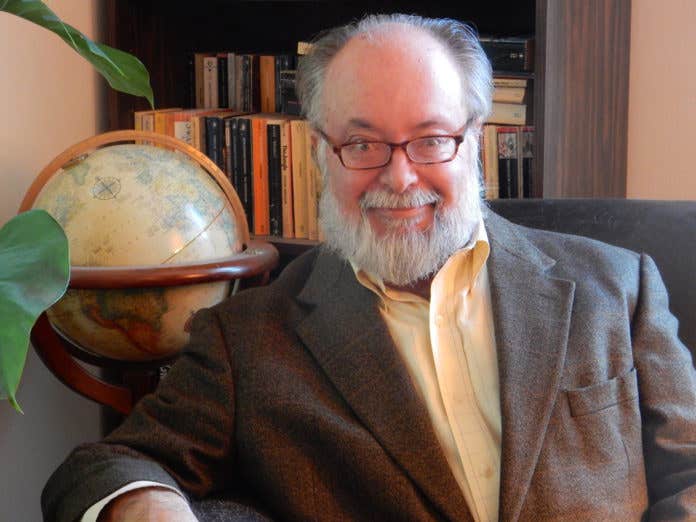
The classical and traditional design community has lost one of its most passionate voices with the passing of David Brussat. For more than twenty-five years at The Providence Journal — and later through his widely read blog, Architecture Here and There — David championed the timeless principles of beauty, craftsmanship, and human-scale design. His writing invited readers to care deeply about the built world, reminding them that architecture shapes not only cities but also the quality of life within them.
At a moment when traditional architecture was often overshadowed by modernist trends, David offered a courageous counterbalance. He argued that traditional design is not nostalgia but a continuing, vital language — one that fosters harmony, civic identity, and emotional resonance. His criticism blended fearless candor with an abiding respect for the discipline, making him a rare figure who spoke to experts and everyday citizens with equal clarity.
David’s commitment to classical design extended far beyond the page. He contributed meaningfully to the Institute of Classical Architecture & Art (ICAA), serving on the board of the New England Chapter, where he offered guidance, insight, and advocacy for the organization’s educational mission. His presence deepened the chapter’s intellectual rigor, and his influence helped elevate the conversation about traditional design throughout the region.
His passion culminated in Lost Providence, an indispensable account of the city’s architectural evolution — and the triumphs and losses that shaped its character. With precision and empathy, David chronicled how the erosion of traditional urbanism fractures communities, and how the restoration of classical principles can help them heal. The book stands as a testament to his belief that cities are living inheritances, deserving of stewardship and reflection.
Yet perhaps David’s most enduring legacy lies in the dialogues he sparked. Architects, preservationists, planners, and engaged citizens alike credit his work with teaching them to “see” their surroundings more deeply — to recognize proportion, coherence, and craft as essential qualities of a humane built environment. He urged readers to expect more from architecture, and in doing so, elevated the standards by which it is judged.
Traditional design has lost a steadfast defender, but David’s voice continues to resonate through his essays, his columns, his advocacy, and the community he strengthened. We remember him with gratitude for his insight, his wit, and his unyielding conviction that beauty is not a luxury but a cultural necessity.
May his memory continue to inspire those committed to building thoughtfully, preserving wisely, and honoring the traditions that connect past and present.

Manufacturer of handcrafted solid-bronze architectural hardware: door, window, bath, sink & cabinet hardware & kitchen accessories; 7 different finishes; traditional, contemporary & other styles.