

News
Recap of Traditional Building’s Salem, MA Conference March 24-25, 2026
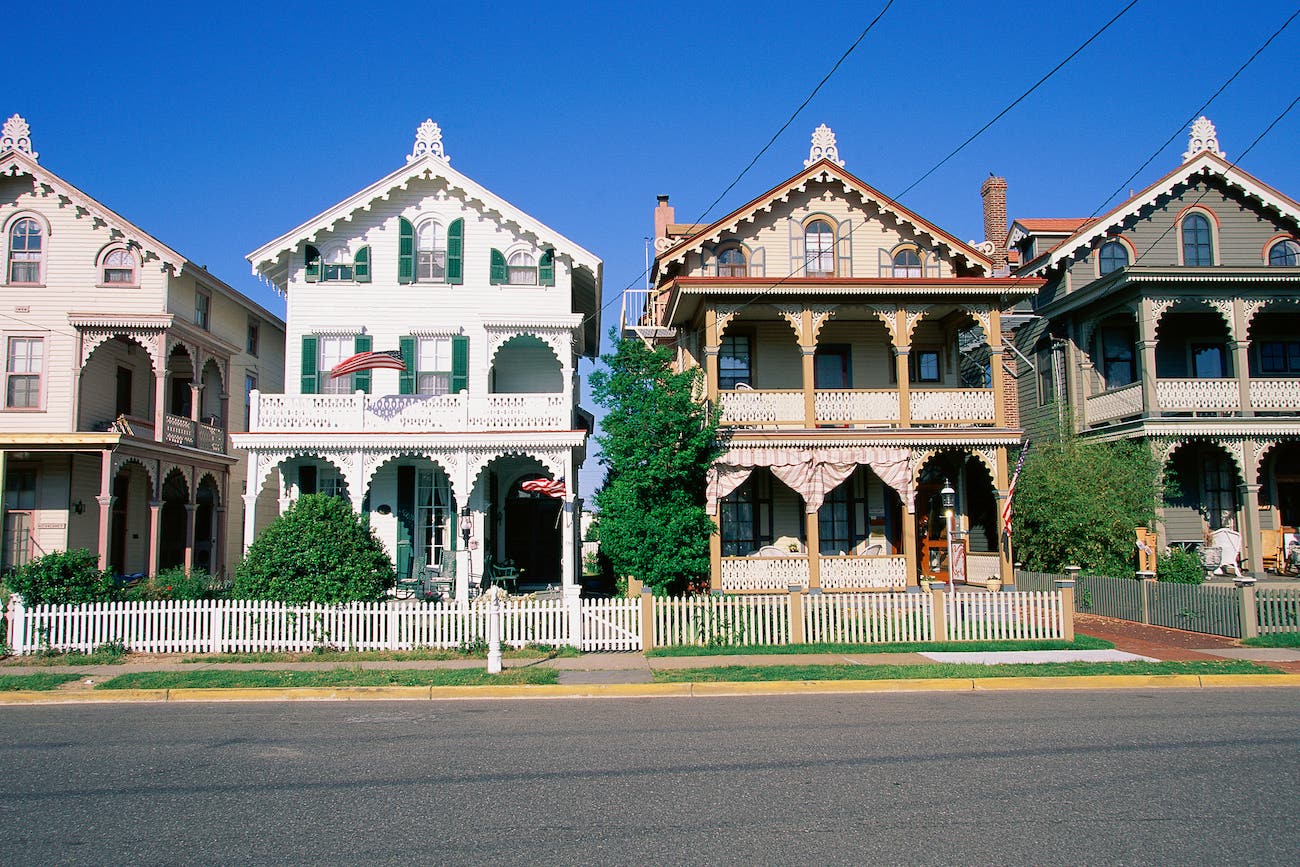
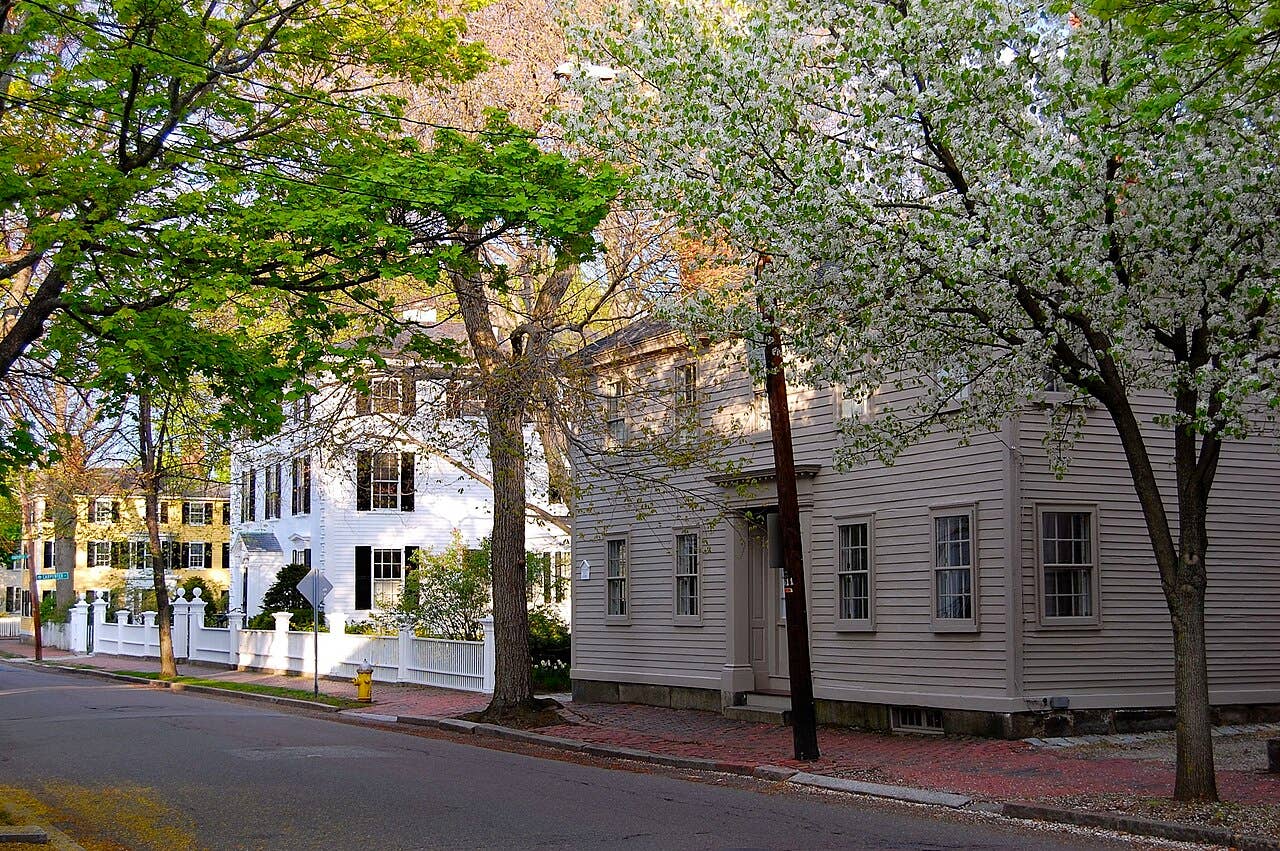
Federal Street in Salem, Massachusetts
Salem, Massachusetts, provided an ideal setting to launch the 2026 Traditional Building Conference Series. Its rich architectural heritage served as a living laboratory for exploring the intersection of traditional architecture and true sustainability on March 24 and 25, 2026.
Carl Elefante, FAIA, of Quinn Evans delivered an inspiring keynote address, “Going for Zero: Decarbonizing the Built Environment on the Path to Our Urban Future.” Elefante made a compelling case for the reuse of thousands of existing structures that are unused or underutilized, highlighting adaptive reuse as a powerful strategy for reducing carbon emissions.
Patrick Ahearn, FAIA, and Mike Tartamella, AIA, of Patrick Ahearn Architect shared case studies emphasizing building reuse and traditional additions that comply with coastal zone design and flood mitigation requirements. Their work demonstrated that traditional materials and adaptive reuse can provide effective design solutions to contemporary challenges.
Both presentations reinforced the idea that a commitment to being good neighbors—contextually and environmentally—is essential to successful design and community building.
J.B. Clancy, AIA, ART Architects, presented a compelling lecture, “Form Follows Energy: Residential Design Before and After Fossil Fuels.” Clancy examined historic methods for maximizing solar heat gain, daylighting, and heat retention prior to the advent of fossil fuels, making a strong case for reintroducing these strategies in contemporary traditional design.
John Tittmann, AIA, ART Architects, led a lecture and two tours focused on Samuel McIntire, Salem’s renowned furniture maker, woodcarver, and master builder. Largely self-taught through English pattern books, McIntire adapted stone-based classical designs to wood, using locally available materials with remarkable skill.
J.B. Clancy and Victoria Tsai led a drawing exercise at the Gardiner-Pingree House, part of the Peabody Essex Museum collection. The house contains the largest concentration of Samuel McIntire’s carvings within a building he designed. Participants measured rooms, documented molding profiles, and studied McIntire’s sense of proportion.
Tours also included the Yin Yu Tang House, another Peabody Essex Museum property. This historic Chinese home, occupied by the same family for nearly 300 years, was reconstructed at the museum to honor Salem’s historic trade relationship with China.
The House of the Seven Gables recently completed a flood mitigation plan funded by a grant from the Commonwealth of Massachusetts. Staff from the museum, along with Kara Babcock, architect at Union Studio, presented their findings and strategies to protect this significant historic site.
Historic New England showcased two properties: the Gedney House and the Phillips House, representing First Period, Federal, and Colonial Revival architecture. The Gedney House offers rare access to a 17th-century timber frame, while the Phillips House includes both original McIntire work and later Colonial Revival additions.
The Pickering House was another highlight, offering insight into a 17th-century structure with significant later additions. Occupied by the same family for over 300 years, the house reflects the broader evolution of American domestic life.
Additional sessions explored impact-resistant doors and windows, the restoration of the New York Stock Exchange façade and doors, and the rehabilitation of Packer Hall at Lehigh University. The conference concluded with a panel discussion on designing for Health, Safety, and Welfare, featuring Ethan Anthony, AIA; Frank Shirley, FAIA; and Kristen Caulk, AIA, moderated by Peter Miller, Hon. AIA.
The next two stops in the 2026 series are Cape May, New Jersey from June 16–17 and Charleston, South Carolina from November 3–4.
The conference was supported by sponsors who provided technical expertise and engaged directly with attendees.
Platinum Sponsors:
Ludowici
Historical Arts and Casting
Aeratis
Marvin Windows & Doors
Wilmette Hardware
Pilkington North America
Allied Window
The European Company
Hartstone Tile
Kolbe Windows & Doors
John Canning & Co.
Timberlane, Inc.
James Hardie Building Products
Oliveri Windows + Doors
Cambek
Bronze Sponsors:

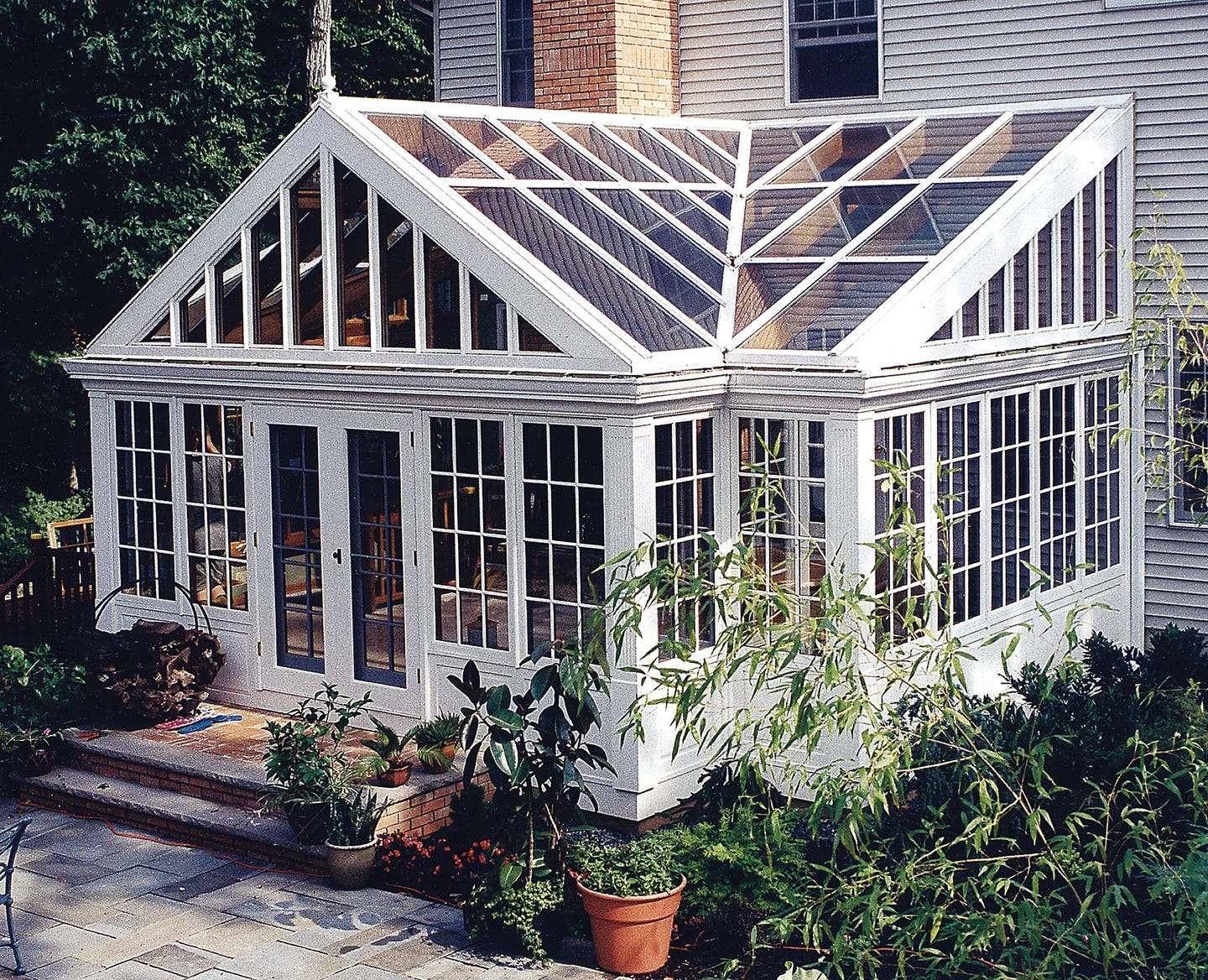
Designer, manufacturer & installer of conservatories, greenhouses, garden follies, pool enclosures, specialty skylights, roof lanterns, domes & garden windows: Classical designs; handcrafted mahogany components; custom designs