

Peter Miller
Compatibility Is the Essence of a Good Relationship
By 2050, there will be 300 million Americans living in U.S. urban areas. This includes our cities and close-in suburbs.
There will be 55,000 multi-housing units built in the next 40 years.
According to the U.S. Department of Energy, the restoration and renovation of existing, commercial and institutional buildings will double in the next 20 years.
Seventy-five per cent of new housing has no access to public transportation. In some markets, commuters spend up to 25% of their yearly income just driving to and fro. Conversely, public transportation is available to those who live in urban areas.
There are 24,000 schools in the United States that were built before 1951, most of which are within walking distance of older neighborhoods.
Thirty per cent of the U.S building stock is 50 years old or older.
Wall Street, America’s iconic commercial district, now has more residential than commercial real estate.
In many markets across the U.S., infill construction is the only new construction happening; to satisfy the demand, production home builders are launching “infill” divisions inside their corporations.
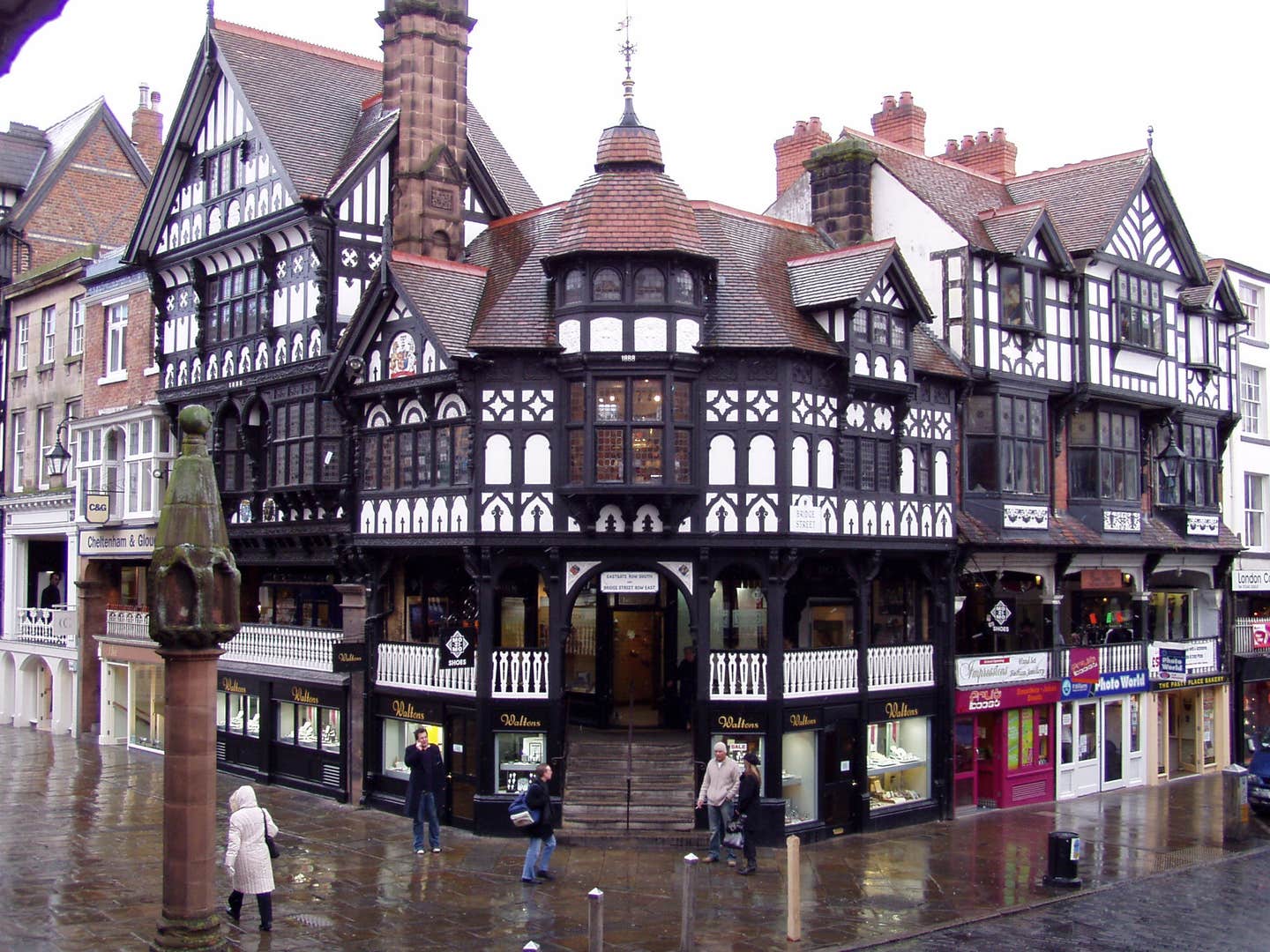
The point to all of these numbers and realities is that more and more building design and construction will be contextual. It will have to look like, and be compatible with, what is already surrounding it. (“Compatibility” is the second in my list of ten “Cs”.) Some of this will be required by historic district commissioners who strive to protect the context of their places. Much more will be influenced by the people already living in these places; they want new buildings to harmonize with the existing environment. They want to minimize change and visual disruption. They seek certainty and familiarity in these uncertain times.
Architectural “continuity” not “contrast”
Architectural “continuity” not “contrast” is how Professor Steven W. Semes, author of The Future of the Past, articulates what’s needed, though not always encouraged, by historic districts. In his fascinating book and in lectures, Semes points out that since passage of the National Historic Preservation Act in 1966 and publication of the U.S. Secretary of the Interior’s Standards for Rehabilitation in 1977, “we must re-examine architecture and historic preservation practice in light of the developments in the field, most importantly, the emergence of New Traditional practices among contemporary architects and urban designers.”
“The city is a fabric of parts, a collective harmony,” Semes told me over coffee in my kitchen recently. The evening before, he had delivered a compelling speech to the Mid- Atlantic Chapter of the Institute of Classical Architecture & Art on the subject of compatibility versus differentiation in urban design.
Perhaps the most convincing case Semes makes for the growing importance of compatible design is that it is polite. A new building, drastically differentiated from its existing neighborhood, sticks out, like track shorts and flip-flops at a wedding.
The marriage of old buildings and new buildings favors compatibility.

Pilkington North America manufactures and markets glass and glazing products for the architectural and automotive markets.