

The 25
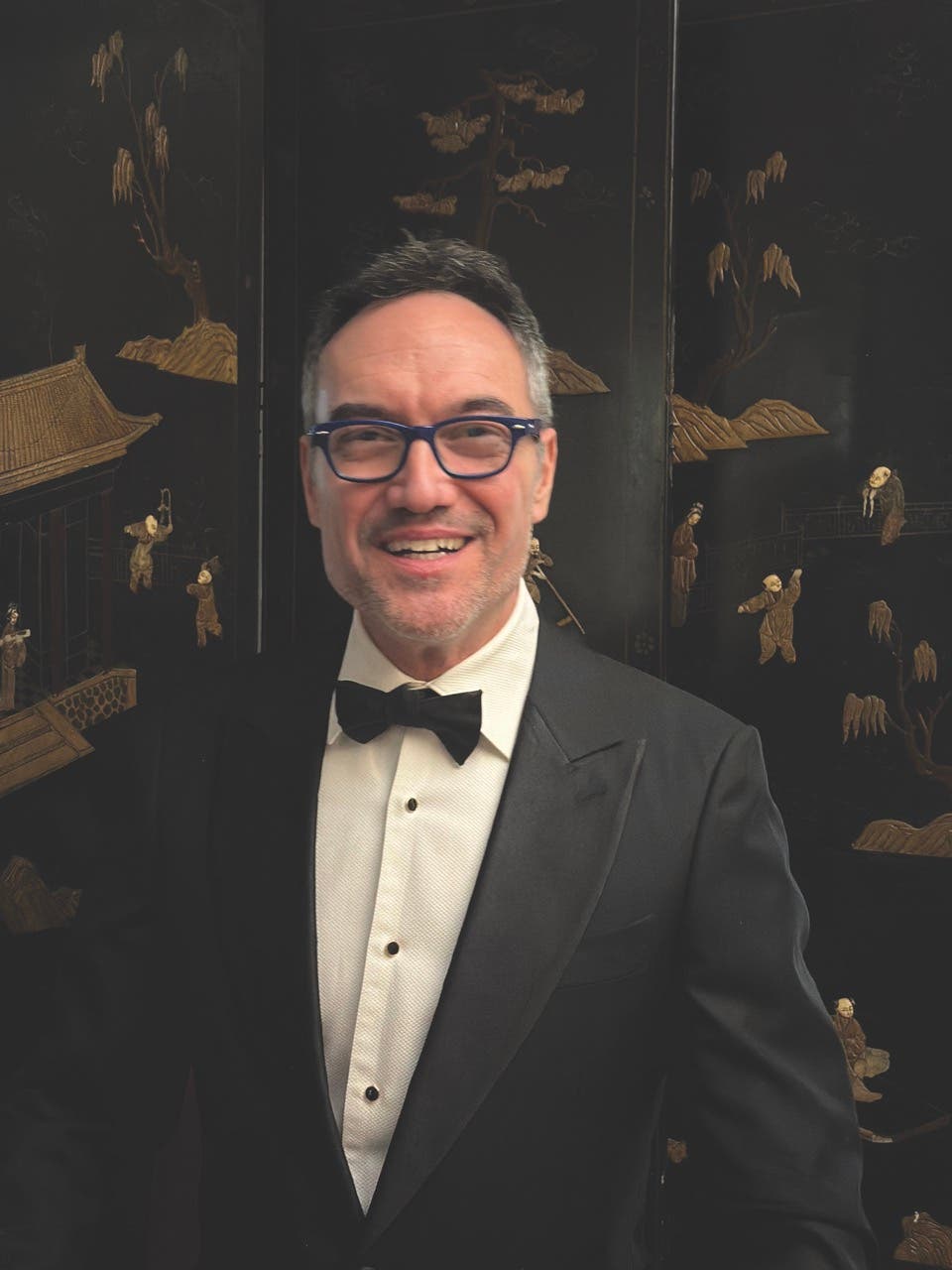
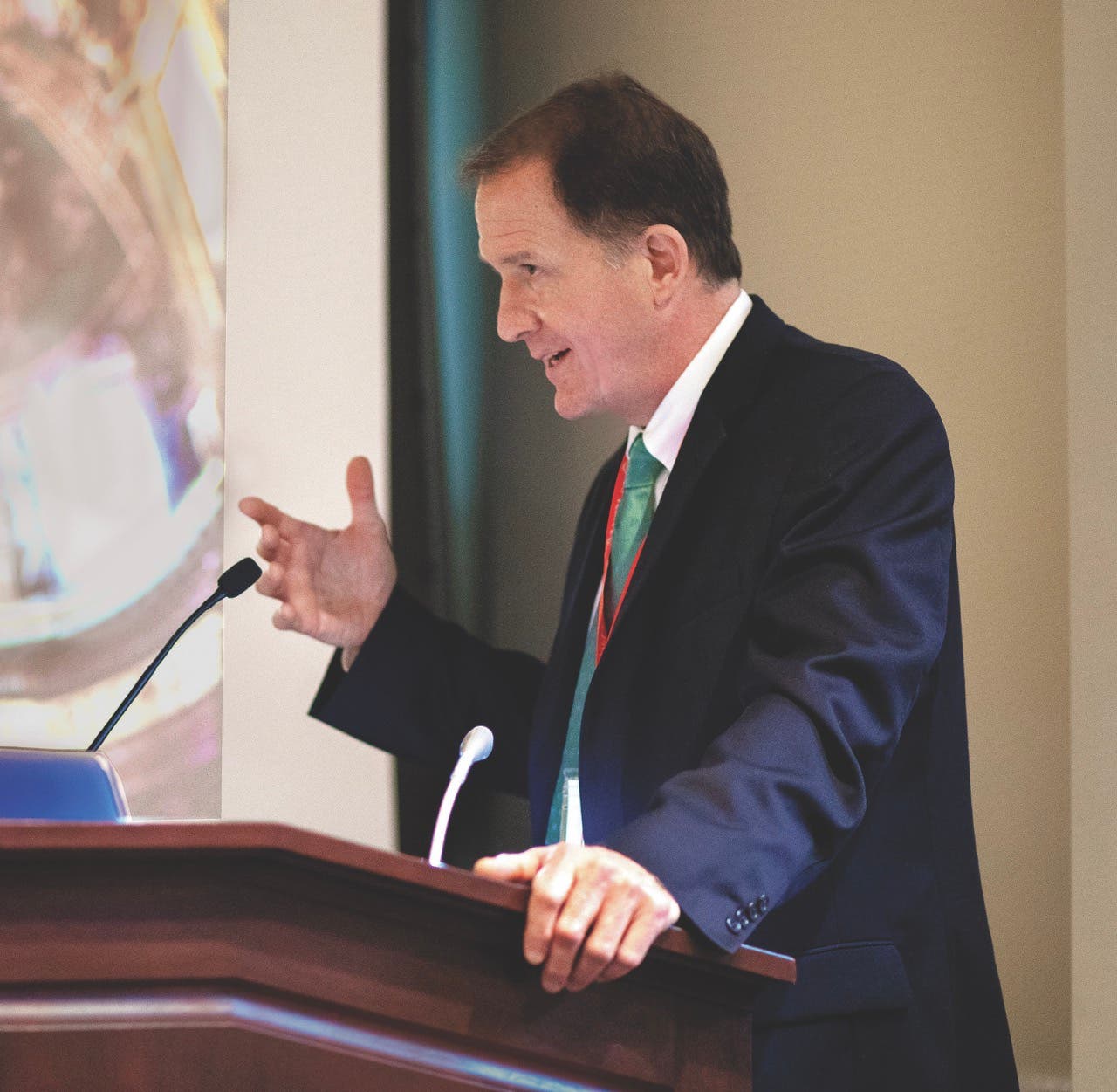
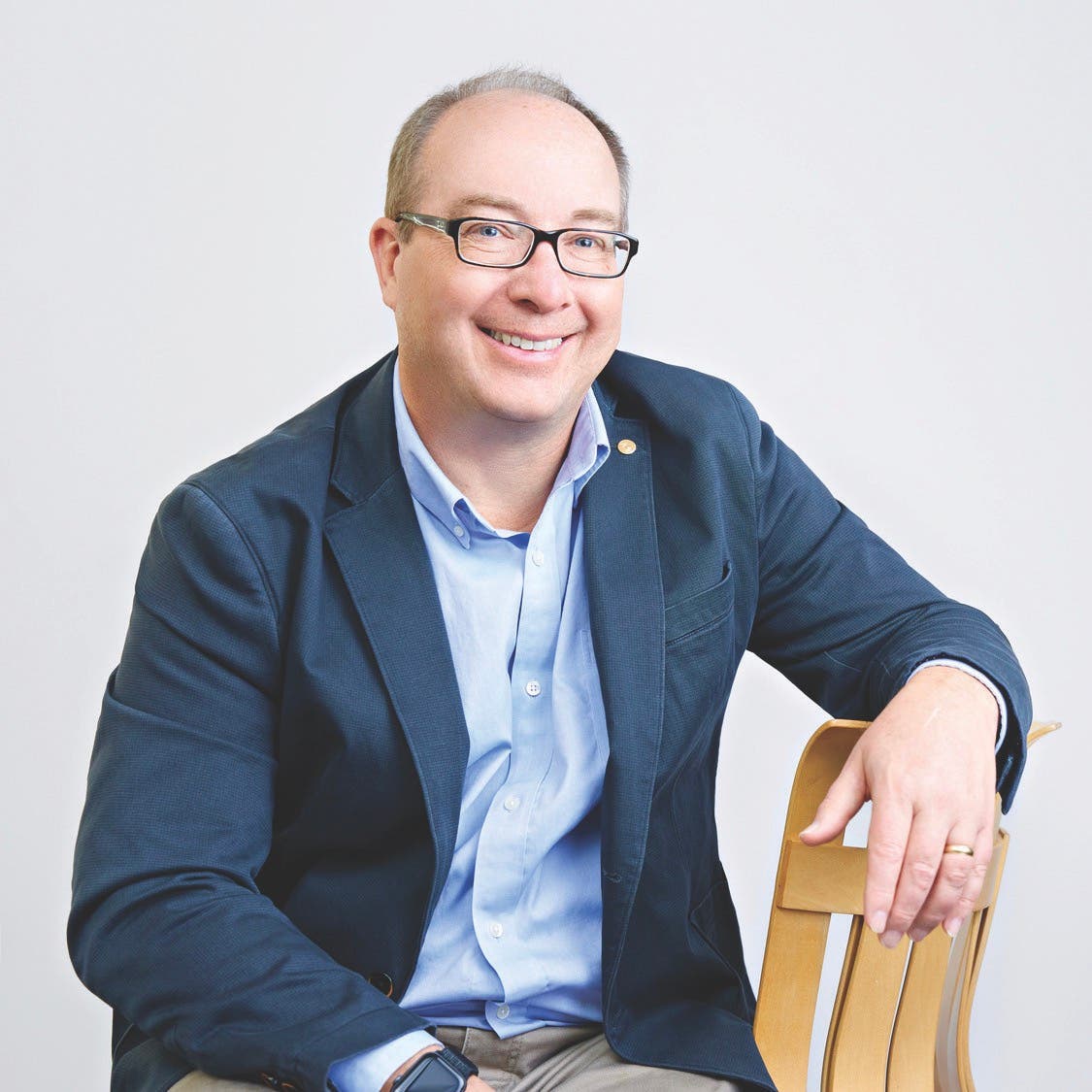
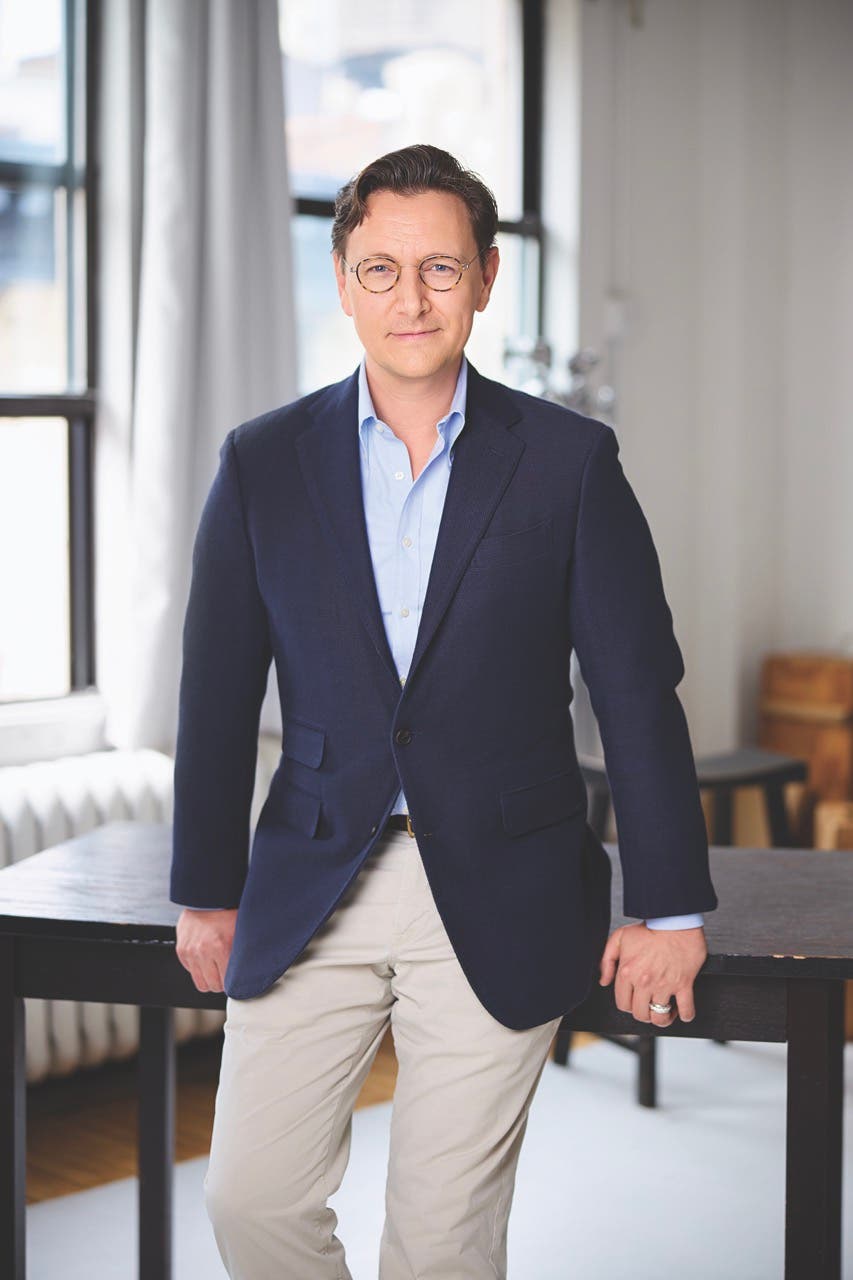
The 25 – Carl R. Lounsbury
Professor, William & Mary
For nearly 50 years, Carl Lounsbury has celebrated early American architecture through research, design, reconstruction, teaching, and writing. Much of this work was conducted during Lounsbury’s tenure as Senior Architectural Historian at the Colonial Williamsburg Foundation. For 35 years, he was responsible for long-term architectural research projects centered on early American building types. He also contributed to the design and interpretation of new exhibition sites in the historic area, including the Courthouse and Market House. As part of this vital role, he supervised architectural draftsmen and directed the work of graduate and undergraduate interns. He established and maintained a primary source architectural database with more than 100,000 entries and was responsible for publishing books and articles related to the department’s work.
Says the architect and professor: “There is so much more to discover and write about. Historical research never answers all our questions—it only opens new paths of investigation.”
I have always been attracted to the dynamic interplay between classical design ideas and regional building practices during the 17th and 18th centuries. I have found this line of inquiry richly rewarding intellectually and filled with many interesting details that illuminate how the new world’s economic, social, and environmental conditions reshaped old world building ideas and practices. Currently, Lounsbury teaches architectural history at William & Mary and is an independent architectural historian. Acting as a consultant to governments, museums, universities, and more, he is actively involved in preserving, studying, and the restoration of several historic buildings. Meanwhile, he is in the process of researching and writing his twelfth book, Ecclesiastical Architecture of Early America. “Even now, I feel that I am only getting started,” says the historian, adding, “There is so much more to discover and write about. Historical research never answers all our questions—it only opens new paths of investigation.”
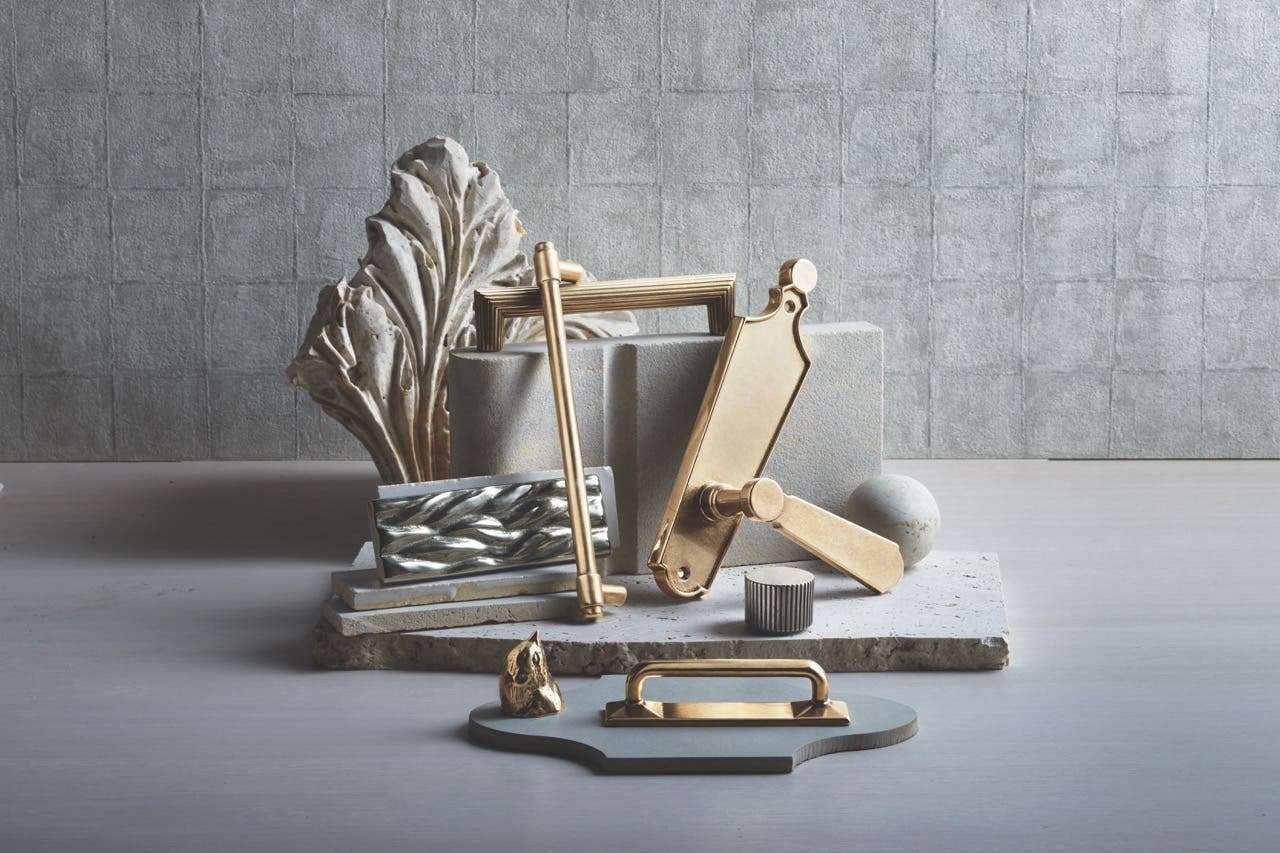
Manufacturer of handcrafted solid-bronze architectural hardware: door, window, bath, sink & cabinet hardware & kitchen accessories; 7 different finishes; traditional, contemporary & other styles.