


Peter Miller
Historic Doors and the Historic American Buildings Survey
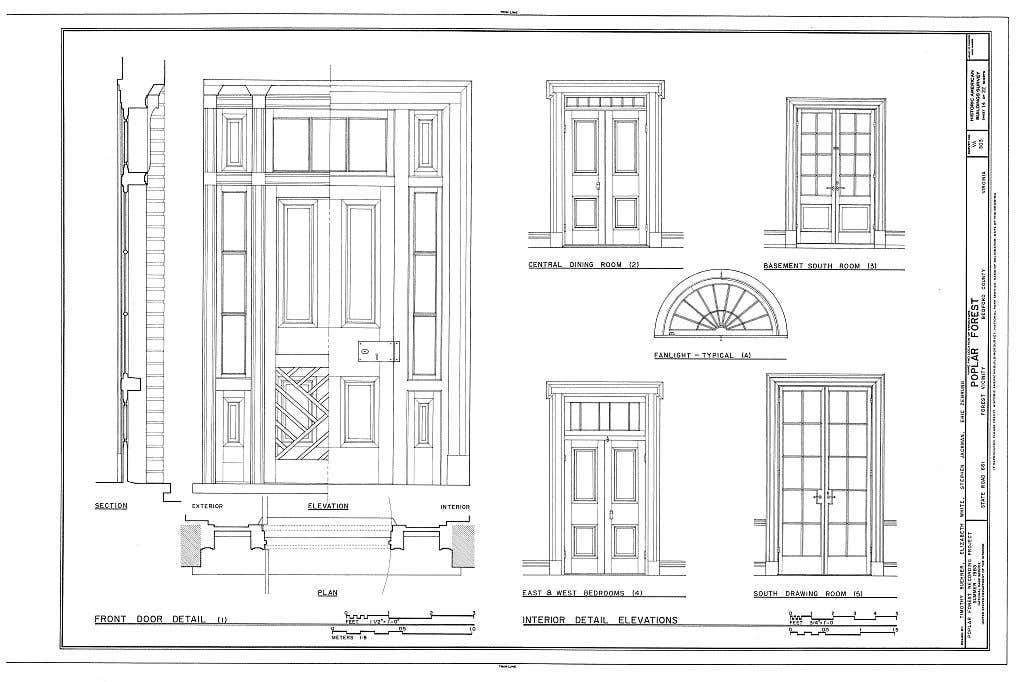
Last month I wrote about the Historic American Buildings Survey (HABS), the program’s origins, purpose, and service to traditional building designers, for 90 years. HABS has an archive of architectural measured drawings that inform new design and historic restoration/ renovation.
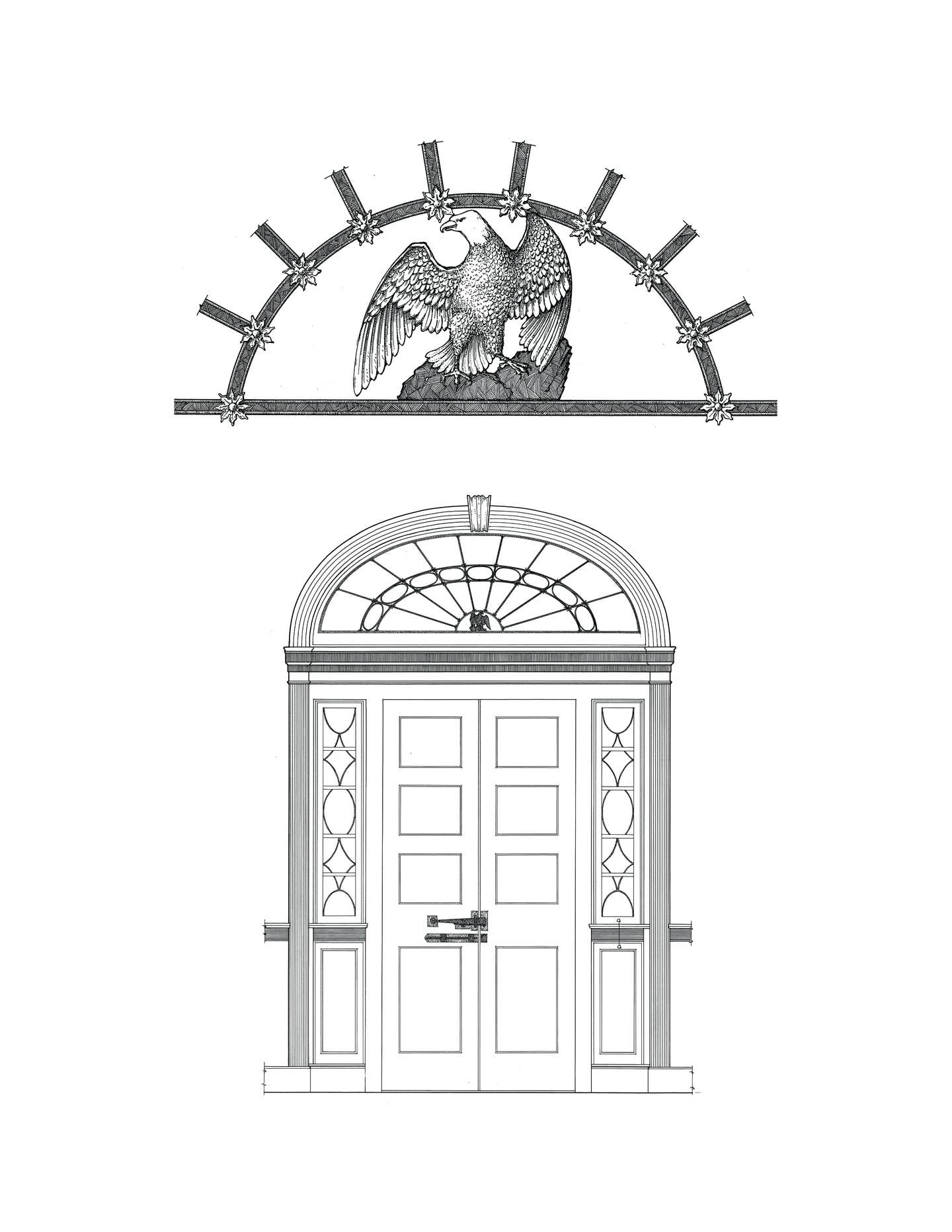
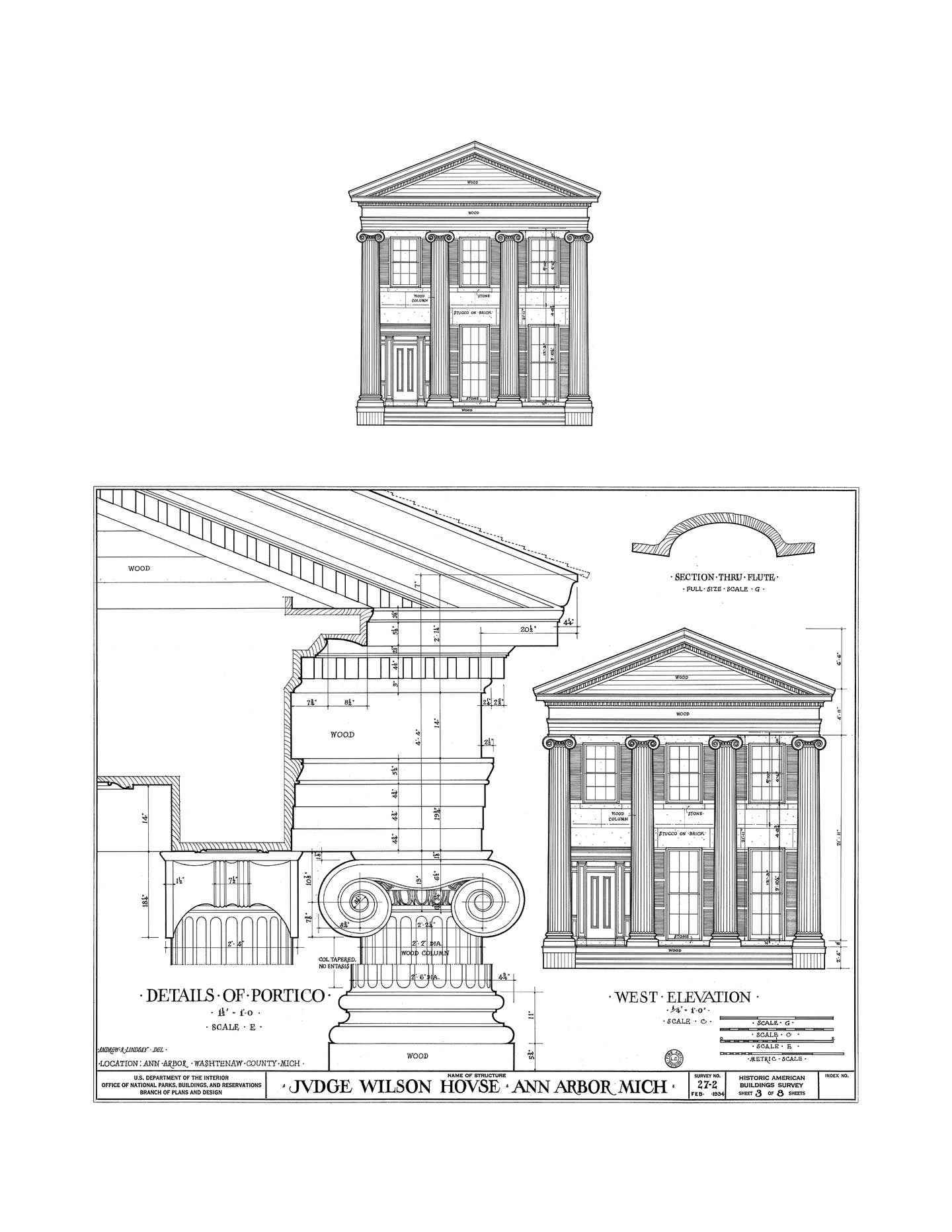
This month I came across a handsome book which compiles HABS drawings of historic American doors: Dutch, Georgian; Federal; Early Classical Revival; Greek Revival; as well as church doors and fanlights. It is a soft cover, glossy with heavy stock paper, 130-page illustrated guide published by Historic Doors. If you want to replicate historic doors from a range of styles, this is a book which belongs in your architectural library.
In a straightforward writing style aimed at the expert and the amateur, Historic American Doors explains the evolution of wood door construction, from flush to raised panel. Form follows function with doors, like the Dutch door, which lets light and air in while keeping the livestock out. Doors make a statement too, like Greek Revival doors which conveyed the political ideals of our New Republic in the early 1800s.
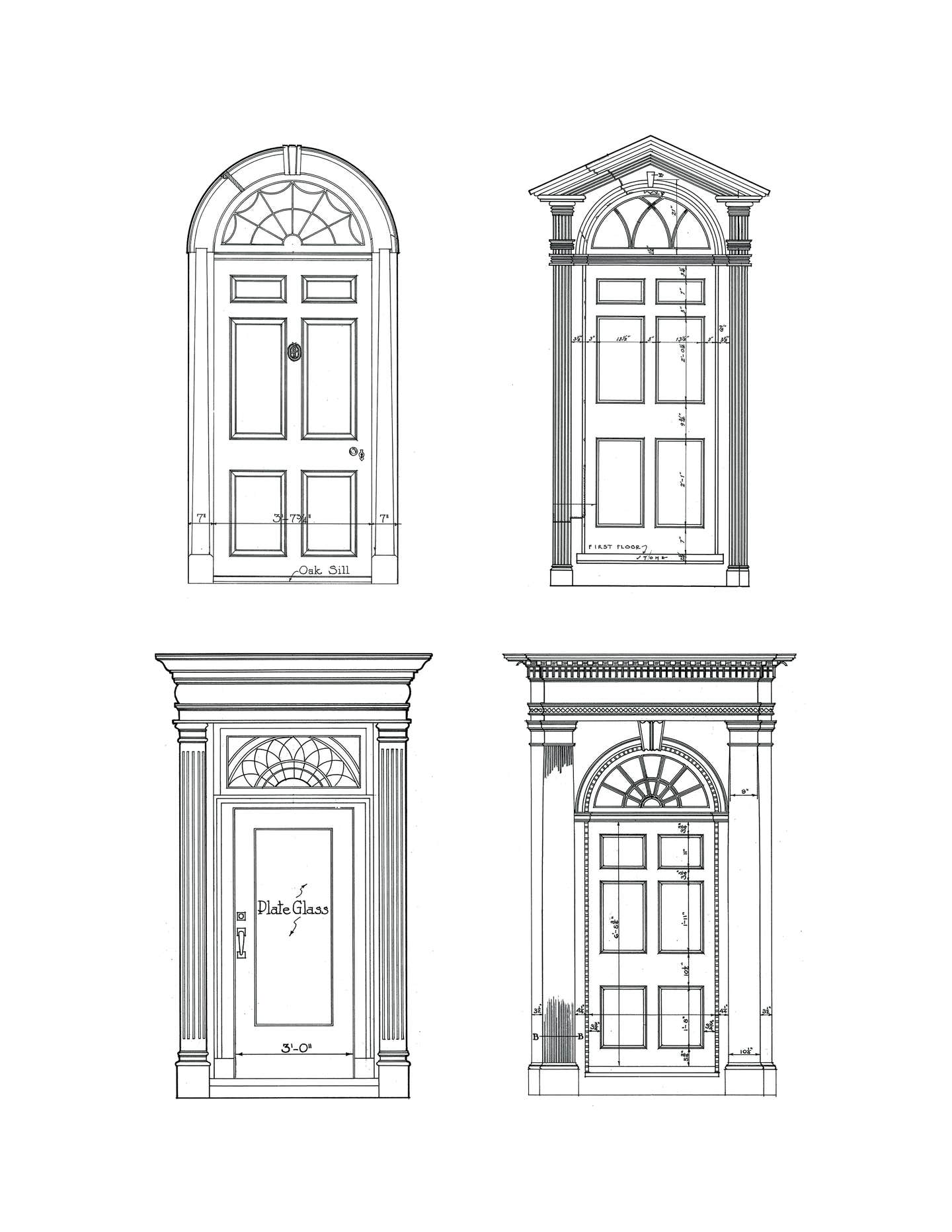
This book’s publisher, Historic Doors of Kempton Pennsylvania has put together six editions of Historic American Doors, the first in 1996, each a little different, each informed by the author’s love of the classical tradition and his education thereof. In the preface he writes, “today many architects, builders and homeowners are turning back to the traditions of classical architecture which are found in early styles of American houses.”
Using pen and ink architectural drawings from HABS, this book traces the development of those styles, from colonial times through Greek Revival, as depicted in the American doorway.
You may Contact Historic Doors to order a copy of the book; the cost is $85.00 and includes shipping.

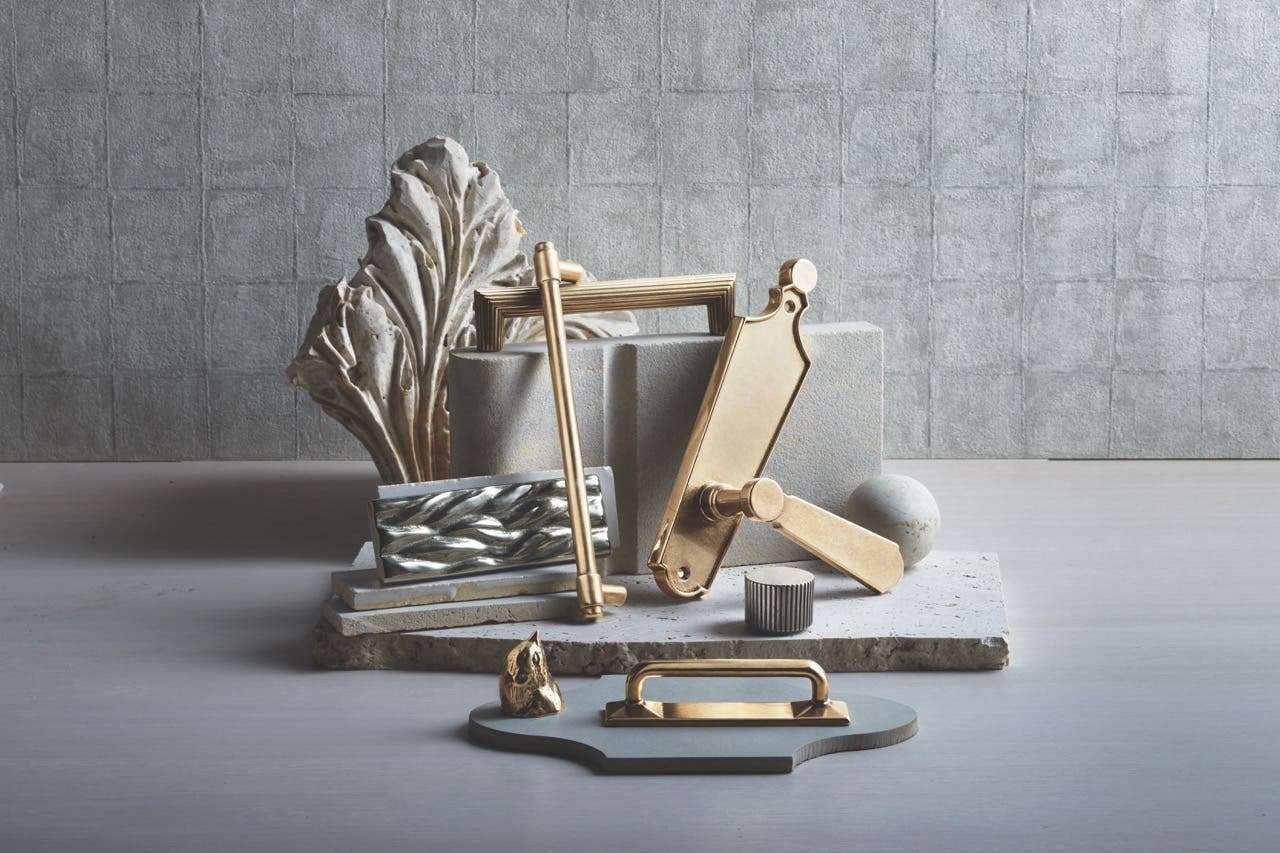
Manufacturer of handcrafted solid-bronze architectural hardware: door, window, bath, sink & cabinet hardware & kitchen accessories; 7 different finishes; traditional, contemporary & other styles.