


Features
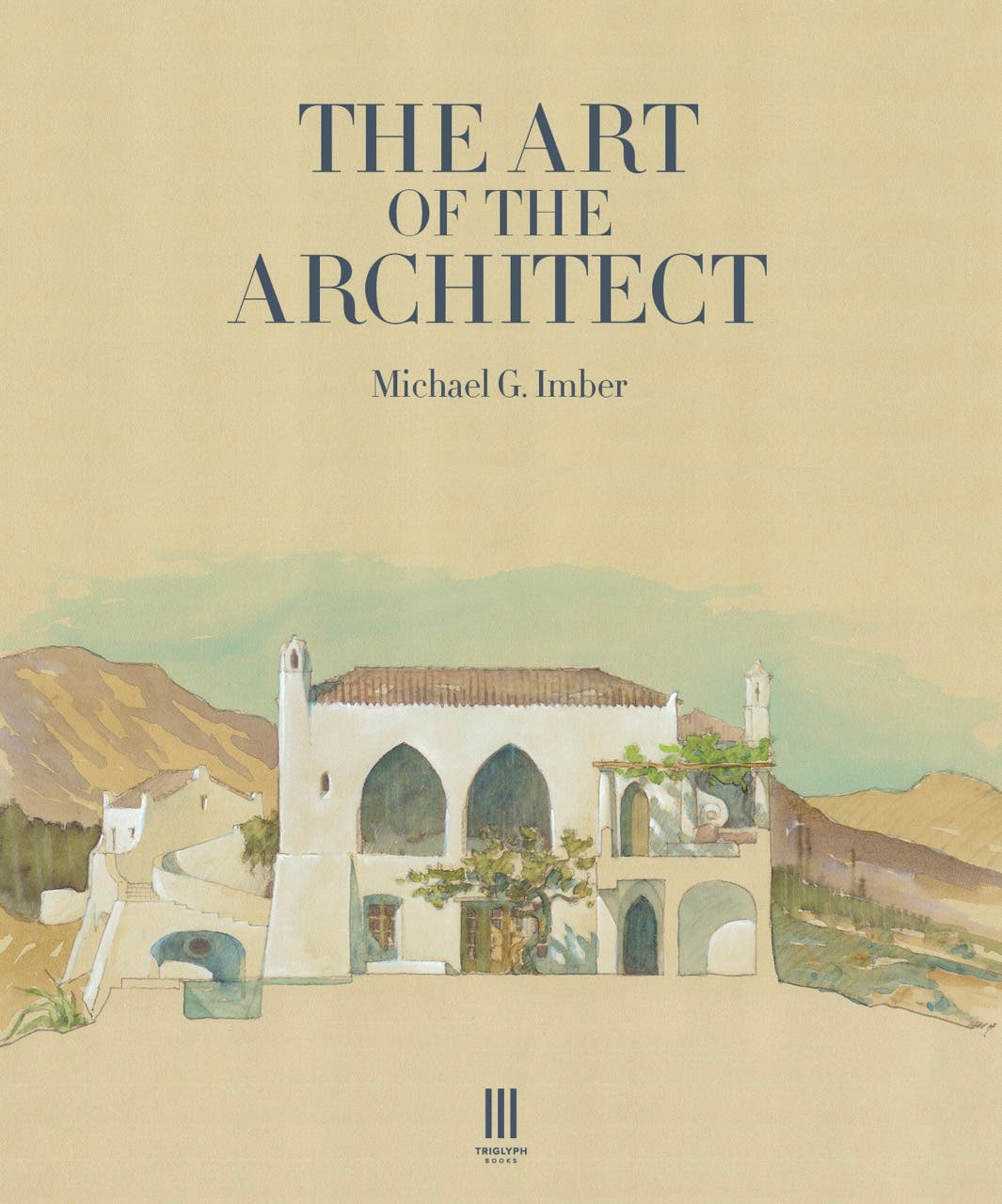
The Art of the Architect
We have architect Michael Imber’s godmother, Aunt Margaret, of Galveston, Texas, to thank for Imber’s beautiful new book The Art of the Architect, which features his architectural watercolor renderings and sketches created over a lifetime, starting in Aunt Margaret’s backyard studio when he was in high school.
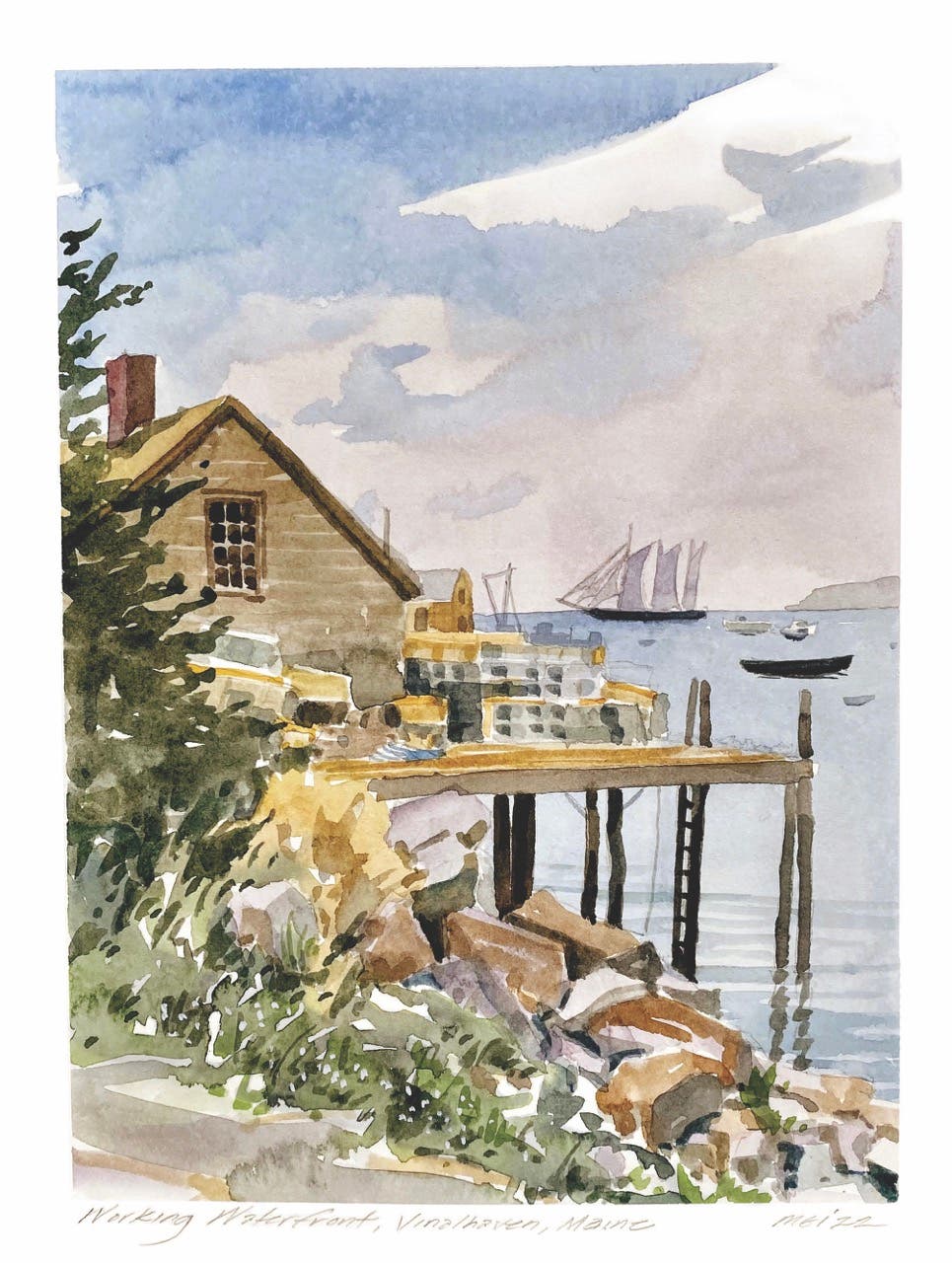
Imber remembers, “We would go on long, slow walks. Aunt Margaret would point out orchids, alligator nests, birds, things that you don’t normally see if you aren’t looking for them.” Here, Michael Imber learned the importance of seeing. “She patiently taught me to draw. I would sit for hours. When I graduated from high school, she gave me my first watercolor kit.”
Michael Imber, the young artist, became an architect, living up to George Bellows’ exhortation: “One is not just a good architect unless he is an artist.” Through his eye and his hand, Imber sees the landscape, architectural context, and the buildings he designs long before they are built.
In 304 artful pages of watercolor renderings, sketches, and line drawings by American artists and architects, including Imber, his associates, and friends, The Art of the Architect makes the case for “the joy of observation, slowing down, responding to the character, the history, and the culture of the locations where we build.” This is best achieved by drawing and painting by hand.
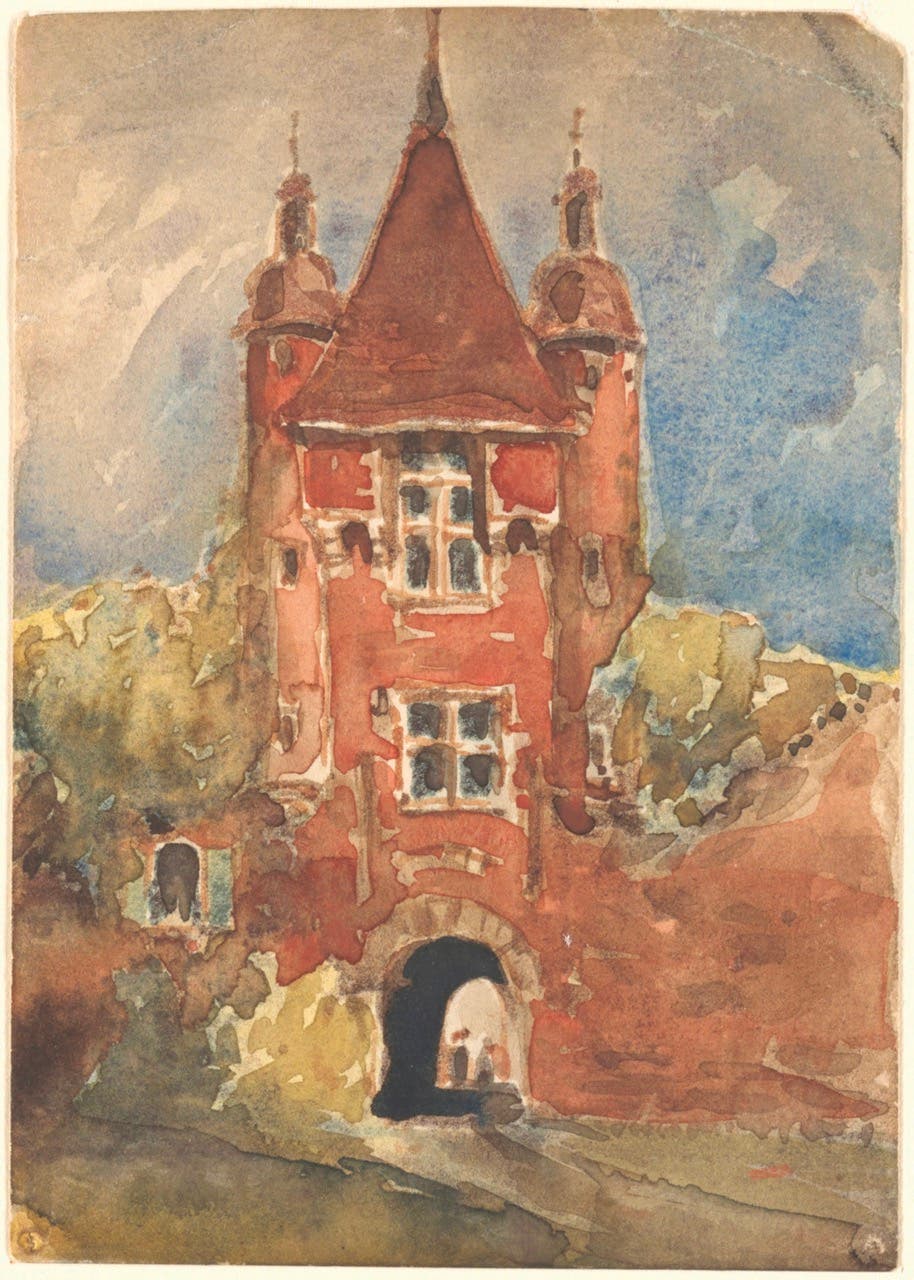
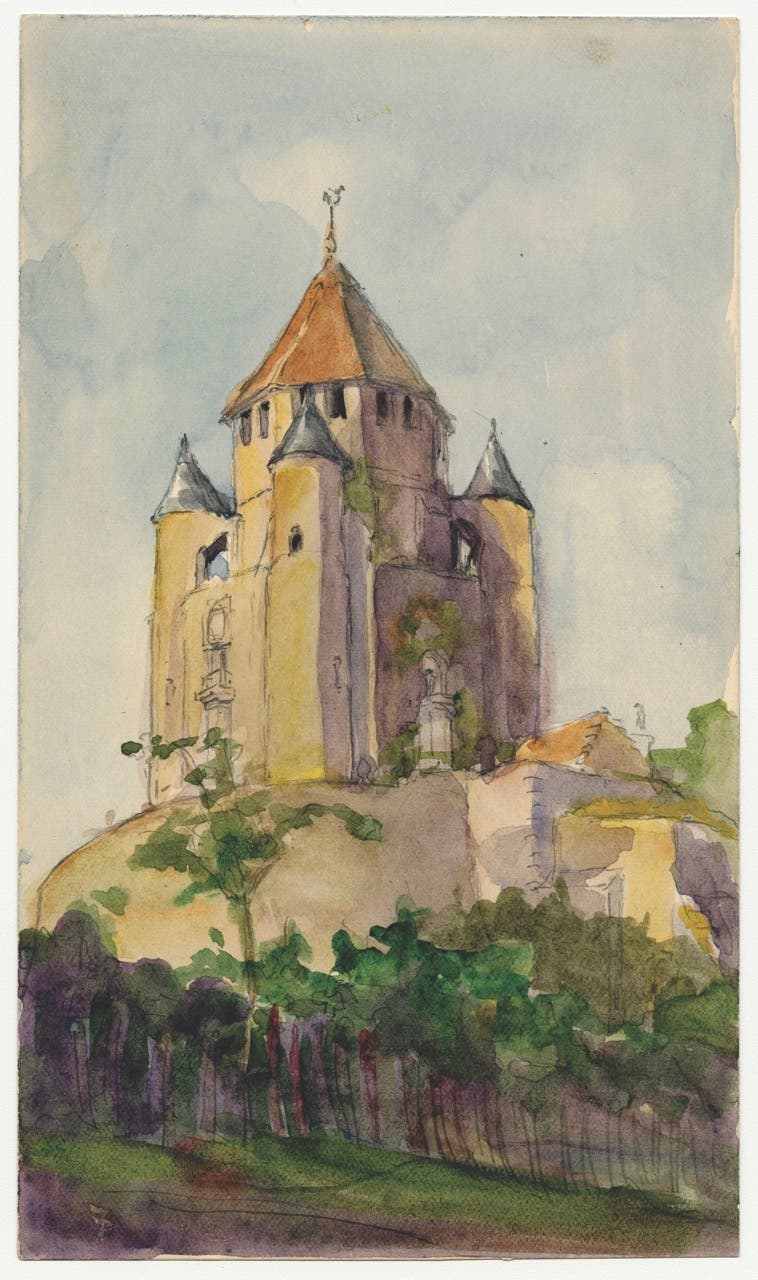
Computer-aided design is helpful, fast, and efficient. We need it. But not at the expense of the artistry in architecture. If architecture is to be a blend of science and art, we need art to balance what has often become a hermetically sealed profession of science: technology, engineering, business, building codes . . . all necessary and important but void of the organic and spiritual nature of the architecture profession and the reason many of us entered the profession.
“Don’t talk about it, draw it,” said Edwin Lutyens, a quote which opens Imber’s chapter titled “A Culture at Work.” Here you’ll find sketches of the Austin Tower, the Tower Life building, and the Medical Arts Building, each drawn in a 15-minute exercise by members of Imber’s Texas sketching club. And there are vivid architectural watercolor renderings by Mac White, a senior partner in Michael Imber’s firm.
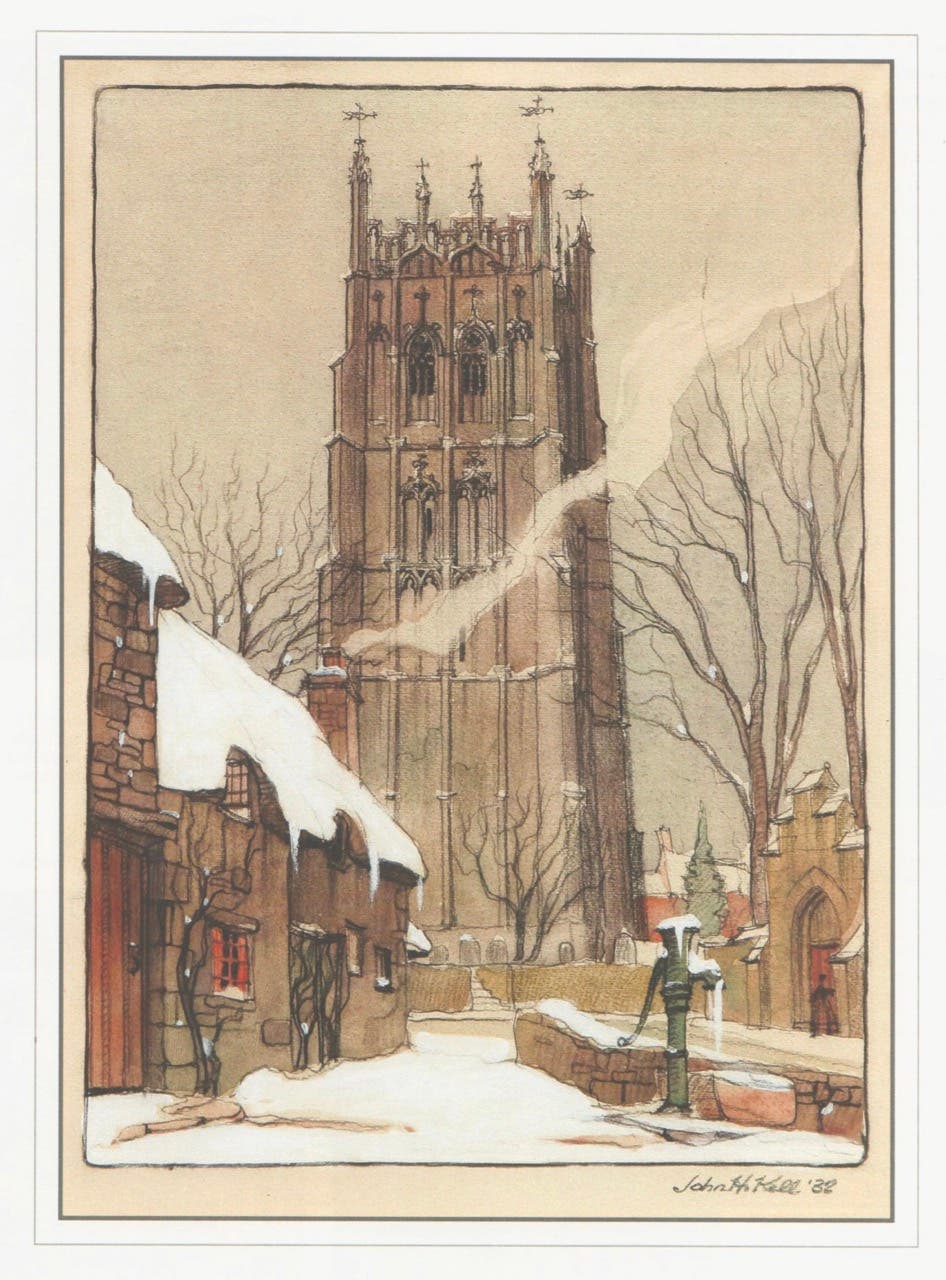
Early in his career, Michael Imber writes that he “left Texas for New England to pursue a knowledge of traditional architecture. I was instinctively drawn to those who sketched and discovered that together they formed a robust American Tradition.” The chapter titled “The Artist’s Hand” shows paintings by Winslow Homer, Calvin Stevens, John Kell, and Charles Adam Platt, whose landscapes inspired architects to design buildings that had a connection to nature.
Imber also cites Robert Peabody of Peabody & Sterns, who in the early 20th century encouraged his fellow architects to paint. This was a period that gave rise to the architect-artist. Luminaries of the Boston architectural scene such as H.H. Richardson, William Emerson, and Peabody sought to connect their architecture to the landscape through art. The rugged coast of Maine was their landscape of choice, as it is now for Michael Imber.
If you look now at Michael G. Imber Architects’ work, you’ll note how the buildings the firm designs look like they grow out from the ground they rest on. Call it the architecture of its time and of its place. Some of the materials used for these buildings are extracted from the ground at the site, like paint from a palette.
The art of an architect can delight the client! The Art of the Architect will delight the reader. TB
Author: Michael G. Imber Published By Triglyph Books 2023 | 304 Pages; Color | $65.00 Forward By Clive Aslet, Professor Of Architecture, University Of Cambridge


Manufacturer of handcrafted solid-bronze architectural hardware: door, window, bath, sink & cabinet hardware & kitchen accessories; 7 different finishes; traditional, contemporary & other styles.