

Peter Miller
Time and Trust
I received a disheartening letter from one of our magazine readers, a woman who paid her home builder to build a house, then waited and waited while he strung her along, with no-show crews, material deliveries left out in the rain for months, and unreturned phone calls. The builder allegedly hung up on her when she called to ask “what’s taking so long?”
This got me thinking about our industry labor shortage and time poverty. It reminded me that, when it comes to supplier–customer relationships, good client service is paramount, especially now when everyone is stretched so thin. It sent me back to re-read an AIA research report about supplier–client relationships, “The Architects Specification Journey: Understanding the Role of Building Product Manufacturers, Today and Tomorrow,” which was conducted by B2B International and presented by ConstructConnect and the AIA during the American Institute of Architect’s annual convention in April.
The research advises building product manufacturers on how to best serve the busy architect’s product specification needs. Trust, good communication, empathy, and service are all underscored in this report.
The research also put architects into three groups: “conservatives,” “dynamists,” and “risk takers.” Each has a different kind of relationship with their suppliers.
ARCHITECT PSYCHOGRAPHICS
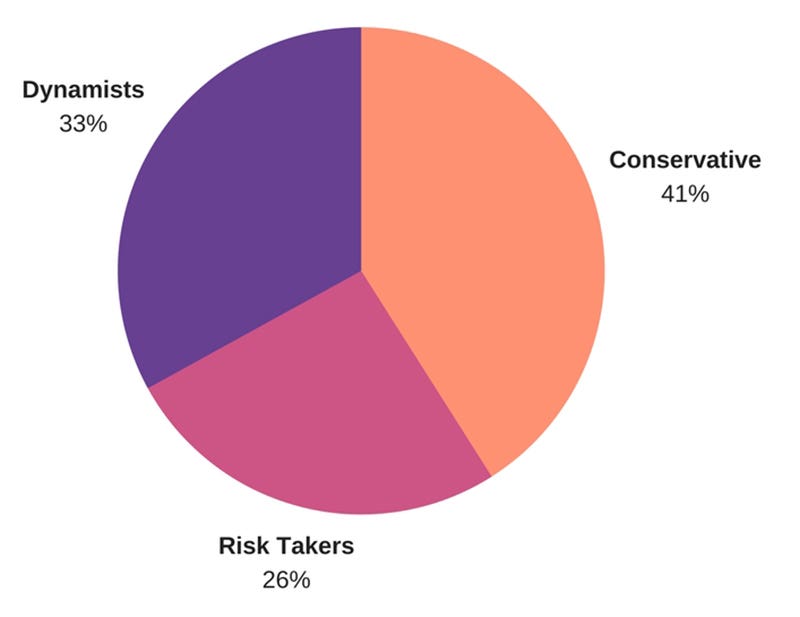
Per the research, 41% of architects are “professionally conservative.” These conservatives typically work in the Midwest and Northeast, are over 55 years old, have an engineering bent, and are less likely to specify products new to the market. They are also less likely to do LEED work.
The “dynamists” pool comprises 33% of the architects surveyed, who generally are younger, mostly men, and likely to work in an architecture firm which has an “outspoken corporate culture.” The remaining 26% percent of architects surveyed are “risk takers.” They work in firms with more women and people of mixed ages, and have an environmental bent and an “experimental culture” in multidisciplinary firms. These risk takers are more likely to live in the West. The survey is based on 330 responses. (Most likely, everyone else was too busy to fill out the questionnaire.)
HOW TO TARGET ARCHITECTS
The architect “conservatives” are the hardest to sell something new because they rely on past experience and existing relationships with their suppliers. They often cut and paste from previous specs and are “process-driven,” i.e., in a hurry. Their go-to suppliers save them time. Suppliers who write specifications for these conservatives endear themselves for life. It seems 26% of the architects surveyed write their own specifications from scratch, while 16% reuse previous specs. Building material suppliers with new fandangle products do better with the “dynamists” and “risk takers” who make up almost 60% of professional architects.
HOW TO SERVE ARCHITECTS
Write the architect’s specifications for him or her! Be a good resource. The survey advises doing these five things to best serve architects: 1. Have a great website. 2. Provide lunch and learning materials for AIA Continuing Education Credits. 3. Know your product cold and convey the product’s technical details; 4. Understand the architects “pain points” and save them time. 5. Be honest and open in proactive communications.
A great website should not require a signup for detailed product-specification information. It should be concise and easy to navigate with building info models and objects. If you are presenting for CEUs, never pitch your product; you’ll get busted by AIA and lose credibility with architects. Do not over sell. Inform, with time efficient delivery. Be a go-to, be a thought leader.
“Most architects already know who they will specify without doing any further research,” says Nik Werk, author of B2B International’s research. “It is a relationship-driven market.” This makes it harder to get an audience when you are the new supplier or the new product. But with all the communication tools available to us—including several tools that our magazines, conferences, and e-media provide—it’s possible. Especially when you know your audience.

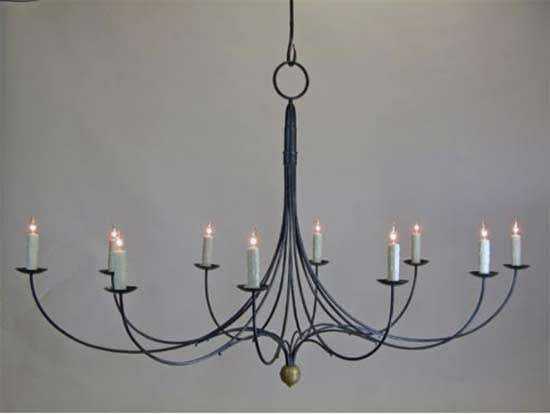
Manufacturer of custom lighting fixtures: chandeliers, sconces, pendants & lanterns; new designs, historic reproductions & custom work; handcrafted in wood, tin, brass or copper; glass, mica or alabaster shades.