



Peter Miller
The Lure of an Old Wooden Boat
I know a lot of people who love old boats as much as they love old houses. Old wooden boats creak and groan in the wind just like our old houses do; imperfection is part of the charm.
It would be easy to overlook imperfections entirely if our houses and boats didn’t have to function. But function they must, so we diligently maintain and repair: patching, sanding, varnishing, making replacement parts.
Our new-house friends have little tolerance for the annoyance of askew. They are perfectionists; or their busy lives are complicated enough without having to worry about cracks in the plaster. Cracks remind them of everything that remains undone in their lives. It might even reflect on their own unkempt character! New-house people prefer fiberglass and vinyl to wood.
Old-house and old-wooden-boat people celebrate life’s imperfections. We relish the sea-chop journey, not the flat-calm destination. We know that maintenance and repair is part of life, as are the seasons. In the spring, everything becomes new again. (With enough work.)
Weather-beaten and worn, repeatedly expanded and contracted, with cracks and crevices and punky wood, my old wooden boat was taking on too much water in the bilge. Last summer I took it for repair, and three different boat builders told me, “You’ve got rot. You might as well just build a new boat.” One of them said this as he jabbed his penknife into the wet wood, at the water line of the transom. I felt like he was stabbing me.
“I am a restorationist!” I exclaimed. “I believe in ‘repair rather than replace’, especially when it comes to old wood things to which I’m emotionally attached— like my old wooden boat!”
“By the time I fix the cracks, the rot, and the leaks, it’d be cheaper to hire me to build you a new boat,” repeated the builder with the knife.
“Well, of course,” I shot back, “—you build new boats! Do you know who repairs old boats?”
“Nobody around here,” he answered without empathy.
And so I embarked on a wooden-boat repair project, a DIY odyssey for which I had no real skills, no tools, and no time. My kids were impatient to get the boat back in the water for the summer. “Use the canoe,” I told them. “The wooden boat is out for the season.”
My good friend Bob, a frequent passenger on my boat, came to the rescue. He reads those old-boat magazines. Bob has patience for imperfection. With a chisel, a Sawzall, some pieces of plywood, lots of Marine Tex, and silicone caulk, together we went to work. Bob was the restoration captain, I was his first mate. I handed him tools and held things steady. We improvised with the materials and tools available to us because the boat, still on its trailer, was in a remote place 90 minutes from the nearest hardware store. I’m glad I rarely throw wood scraps away; instead, I store them under the shed. Now we’re recycling them for use on my old wooden boat.
We put the boat back in the water on the 4 of July. It floats! There’s more to do, of course. We need to replace the seats and paint the deck. But the leaks are plugged and the boat glides through the water. Cosmetics can wait. Bob and I like patina.

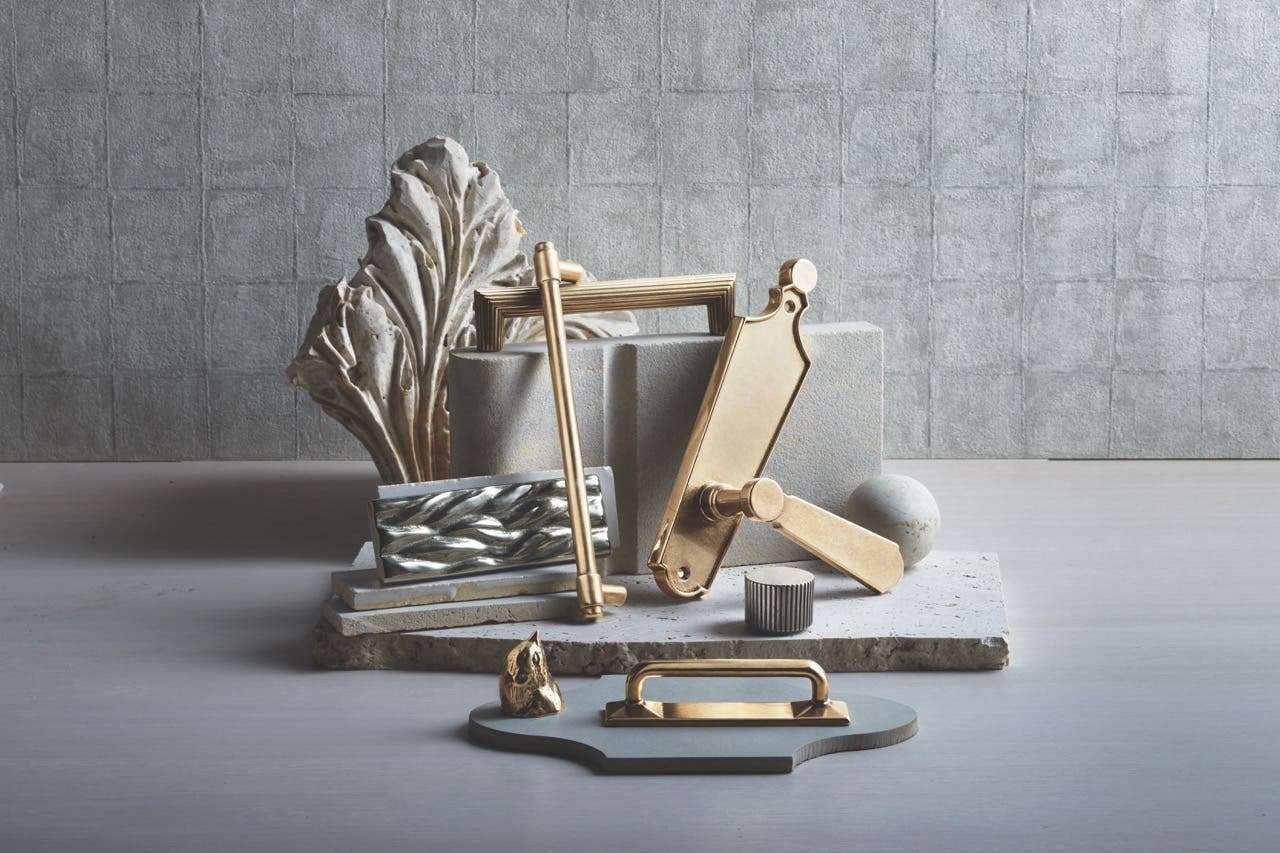
Manufacturer of handcrafted solid-bronze architectural hardware: door, window, bath, sink & cabinet hardware & kitchen accessories; 7 different finishes; traditional, contemporary & other styles.