

Peter Miller
An Historic Brickyard on Martha’s Vineyard
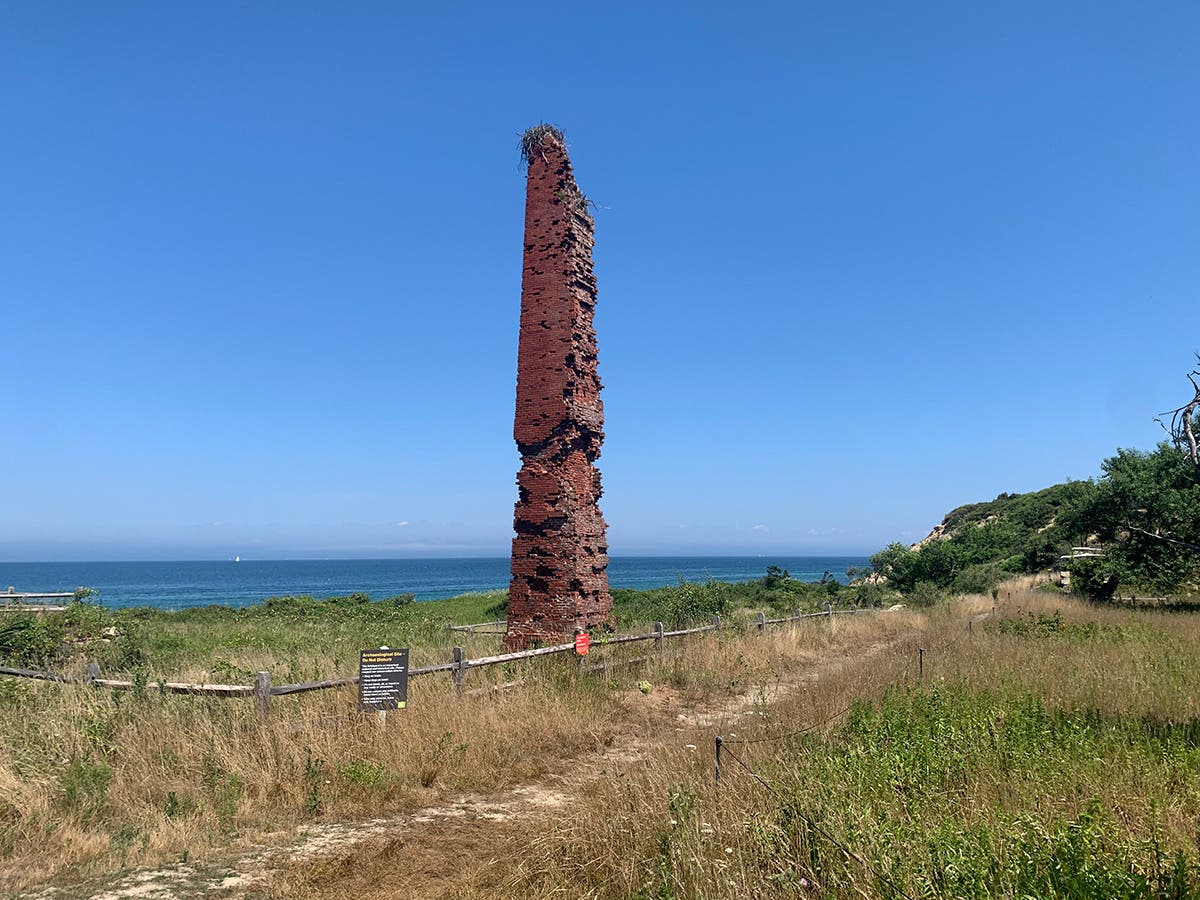
Looking down on this site from the Menemsha Hills above, the first thing you see is a well-worn 45-foot-tall brick chimney, with an osprey nest on top. This was the chimney for the brick firing kiln which doubled as a landmark for ships traveling up the Sound. The land surrounding the factory had all the materials needed to make bricks: water, clay, timber for the kilns and iron for the machines. Before bricks, this iron was used to make cannon balls for the Revolutionary War.
It's an industrial site on an island now known for tourism. It’s an archeological dig, owned by the Trustees Reservation and researched by both the Public Archeology Lab of Pawtucket, Rhode Island and the Andrew Fiske Memorial Center for Archaeological Research at the University of Boston. The more they dig, the more they learn.
There are the rusty remnants of big, iron water wheels which powered the factory. Amidst the tall grass there are broken stone canals which moved water from the brook to power the wheels. Gone now are the docks on the beach where ships loaded cargo, washed away by hurricanes or made obsolete by the railroad.
The brickyard’s heyday was 1851-1870 when it produced 800,000 bricks per year, shipped out to eastern seaboard cities like Boston, Providence, Newport and New York. The land, including the mineral rights was purchased for $55,000.00 by Nathaniel Harris, a Boston banker in 1866. Three different brick making companies have occupied the site: Smith and Barrows; the Mudget and Andrews Company; and Vineyard Brick and Tile Company.
Also on the property are remnants of an old two-story barn, built with rejected bricks, barracks for the workers (lumberjacks from Canada) and an old grist mill which made paint and corn around 1849.
Legend has it that Teddy Roosevelt’s Spanish American war fleet docked on this shore in 1902, upon returning from the Philippines. By then the brick chimney was a deteriorating hazard; Mr. Harris asked the ship gunner to fire on his chimney and knock it down.
But that would have made the osprey homeless and sea captains lose their way.

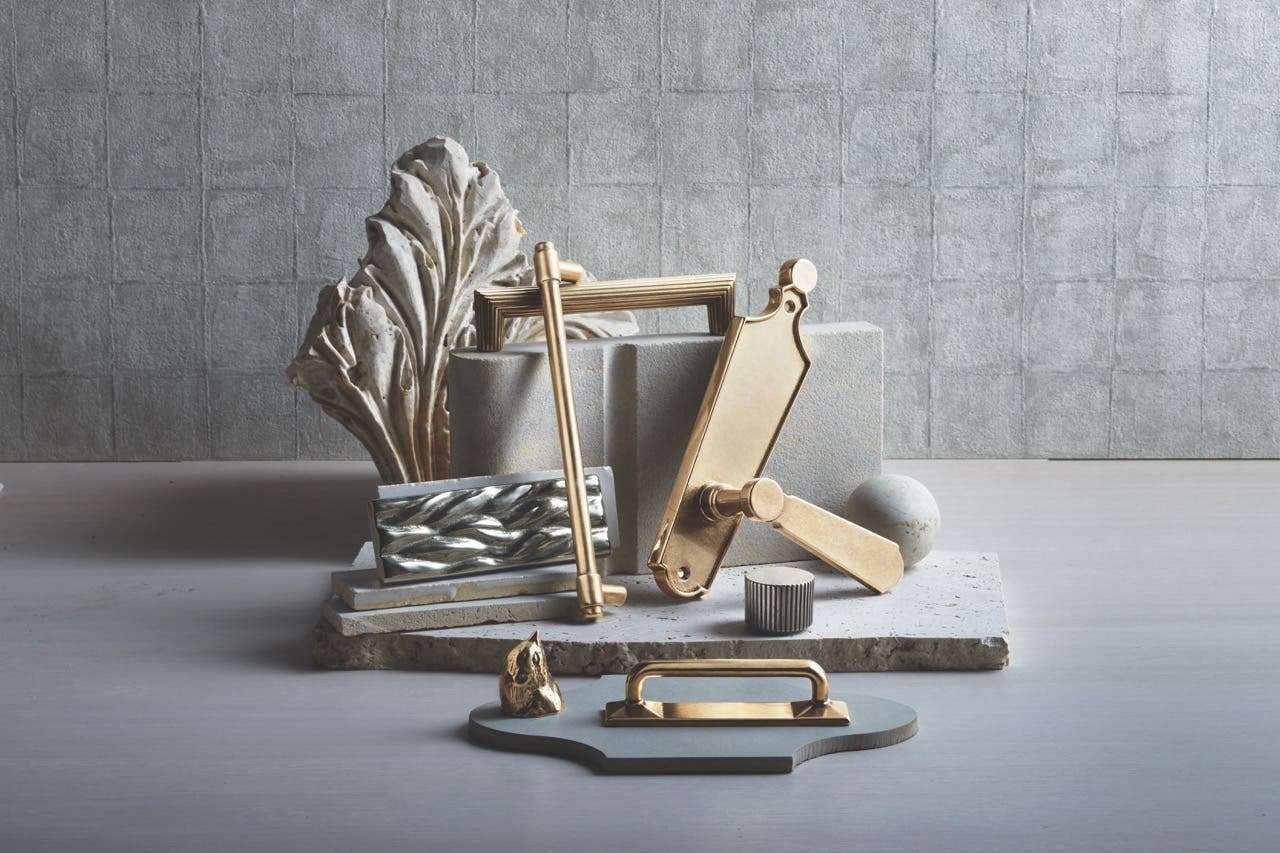
Manufacturer of handcrafted solid-bronze architectural hardware: door, window, bath, sink & cabinet hardware & kitchen accessories; 7 different finishes; traditional, contemporary & other styles.