

Book Reviews
Book Review: Frank L. Wright and the Architects of Steinway Hall
By Stuart Cohen
316 pages, $35
ORO Editions
At about the same time architects, builders, and craftspeople were locked down and working from home alone, the educator, architect, and author Stuart Cohen wrote a book about collaboration. When the collaborative process, so important in architecture and traditional building, was challenged by remote working, Cohen’s book, Frank Lloyd Wright and the Architects of Steinway Hall: A Study in Collaboration crossed my desk, hot off the ORO press.
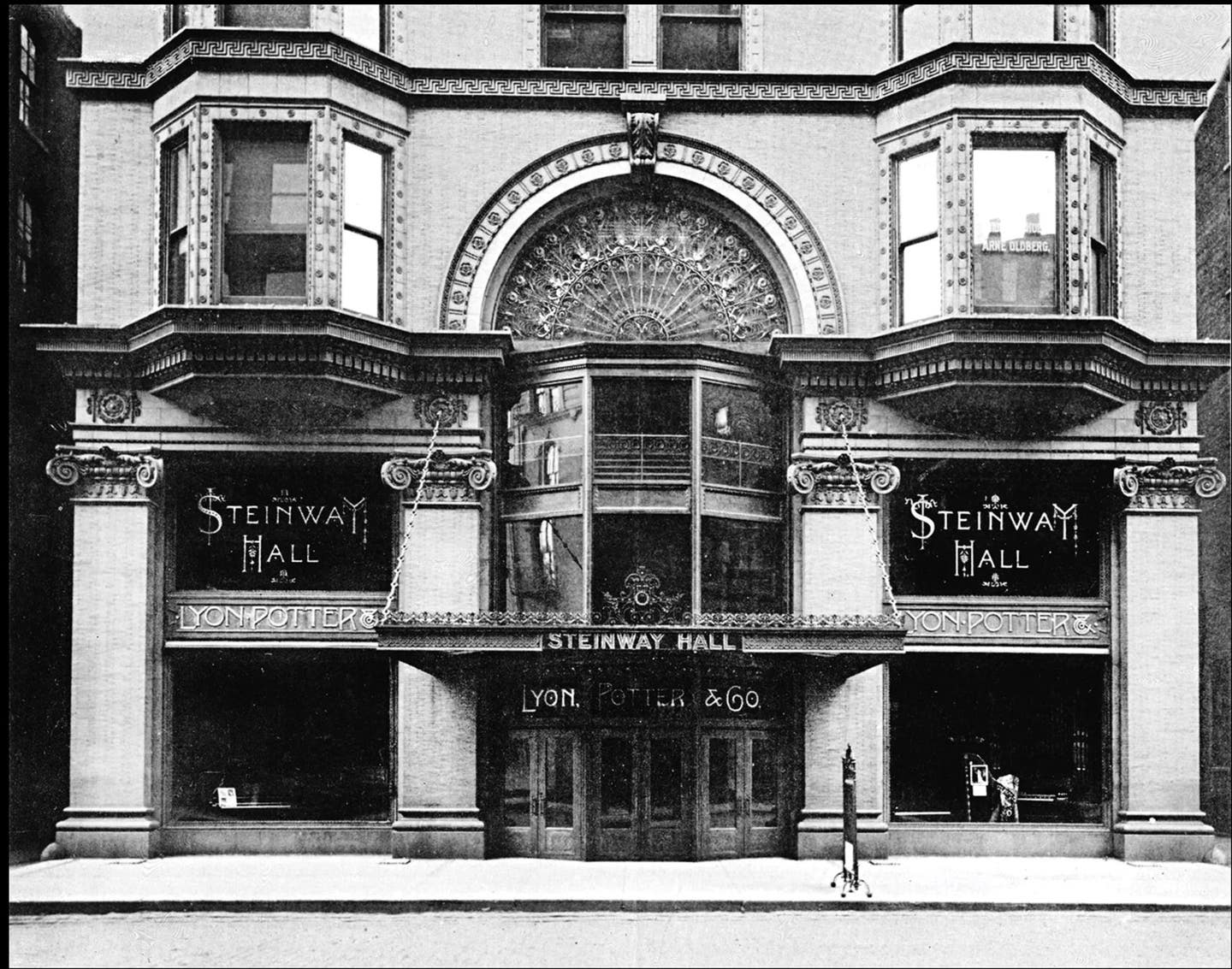
This book celebrates teamwork and collaboration over the individual, a refreshing take on a practice which is given to celebrating starchitects. Frank Lloyd Wright may have been a “genius,” but he did not act alone. His professional peers, Cohen writes, were Dwight Perkins, Robert Spencer, and Myron Hunt, all of whom shared both design ideas and office space in the Steinway Hall of Chicago. And they had an occasional visitor to their Steinway Hall loft: Louis Sullivan, their mentor.
This peer group, Wright’s office mates, were young architects, most in their twenties and thirties who “saw their work in opposition to the status quo, challenging the established traditions in their field.” They had different ideas from their classical-design predecessors and sought a unique American style.
Cohen’s extensive research for the book included Leland Roth’s article about the history of Ladies’ Home Journal houses and Joseph Siry’s article about Wright and Perkins’s collaboration on the Abraham Lincoln Center in Chicago. Another source was Wilbert Hasbrouck’s history, The Chicago Architectural Club, which, like the Steinway Hall, was a venue where these designers met and traded ideas.
In addition to shedding new light on Frank Lloyd Wright, Stuart Cohen devotes three separate chapters to Wright’s influencers: Robert Closson Spencer Jr.; Dwight Heald Perkins, and Myron Hubbard Hunt. Each of these chapters is richly illustrated with black and white photographs of the architect’s work. This work undoubtedly inspires period home designers today.
Naturally, I was drawn to the chapter where credit is given to the magazine editor Edward Bok of Ladies’ Home Journal. Cohen writes, “Bok felt a keen desire to take hold of the American house and make it architecturally better.” Bok’s publication helped make the Prairie Style the well-known architectural style it is today, a style for which Wright is well known but his collaborators, not so much, until now.
As an Amazon Associate, we earn from qualifying purchases made through affiliate links.
Take a deep dive into the book by listening to the AIA accredited webinar Frank L. Wright and the Architects of Steinway Hall.

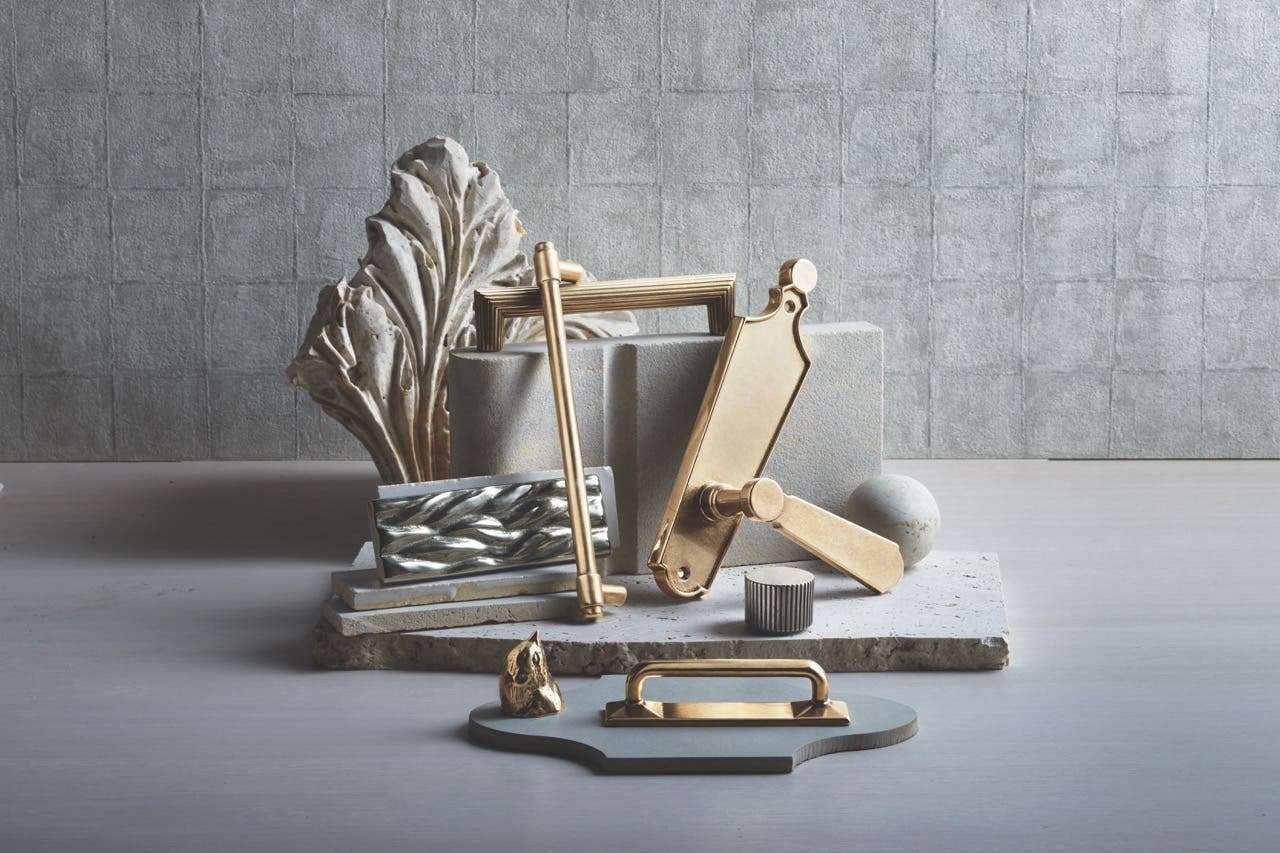
Manufacturer of handcrafted solid-bronze architectural hardware: door, window, bath, sink & cabinet hardware & kitchen accessories; 7 different finishes; traditional, contemporary & other styles.