

Features
Cast Metal Revival
Just over 50 years ago, a notable project—one of the country’s first-ever cast-iron restorations—led to the formation of Historical Arts & Casting Inc. (HACI).
It was the late 1970s, and architect Steven T. Baird was working to restore the ZCMI Department Store’s cast-iron facade in Salt Lake City, Utah. Originally built between 1876 and 1901, the 75-foot-tall, 140-feet-long facade was an ornate, Corinthain columned structure. At the time, Baird couldn’t find a company capable of reproducing the necessary components.
Undeterred, and driven by Utah’s “build it yourself” culture, Baird and his three sons assembled a small team of artisans to create the necessary castings. Sculptors and pattern makers developed scales for each type of metal alloy, ensuring that cast pieces shrank to the desired size during cooling.
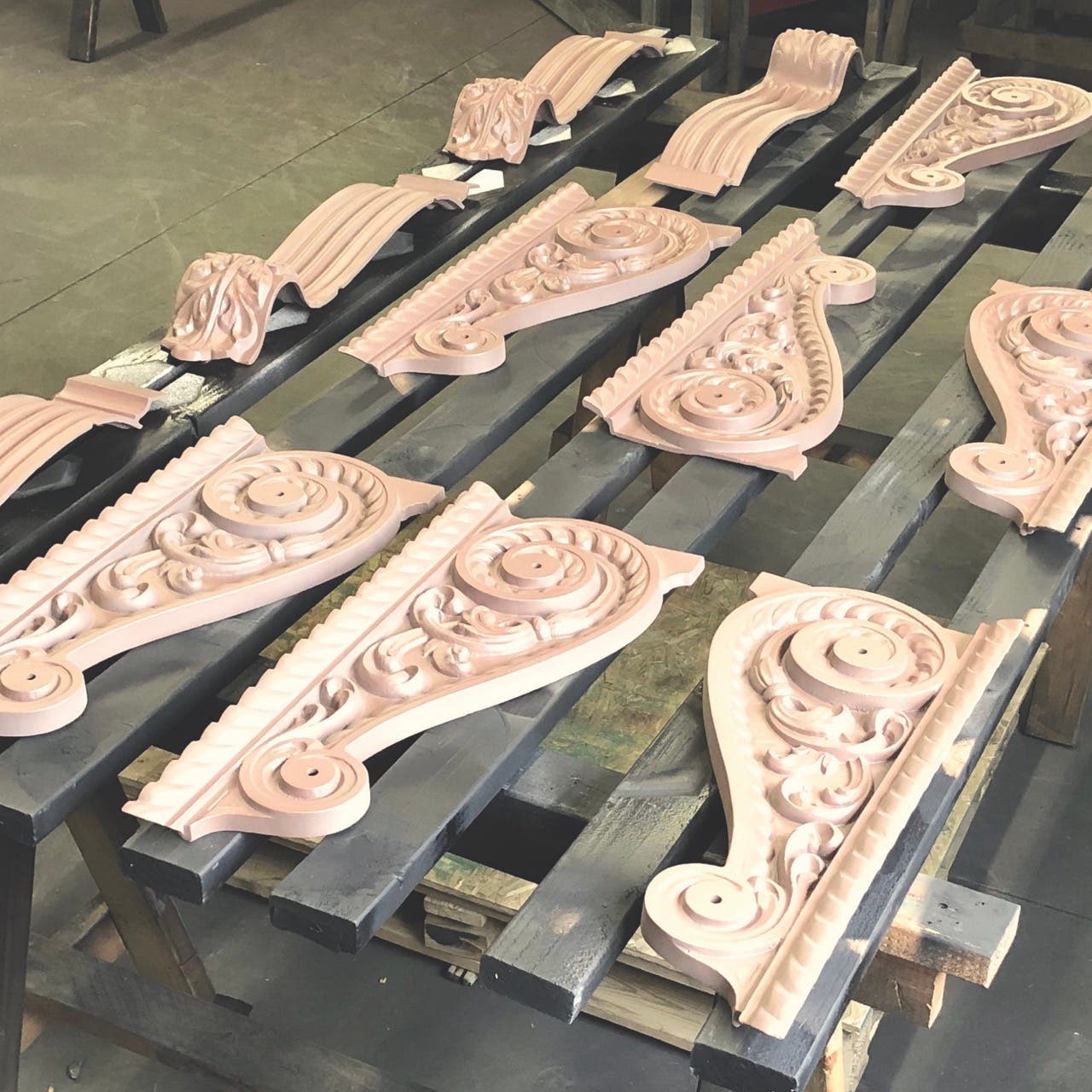
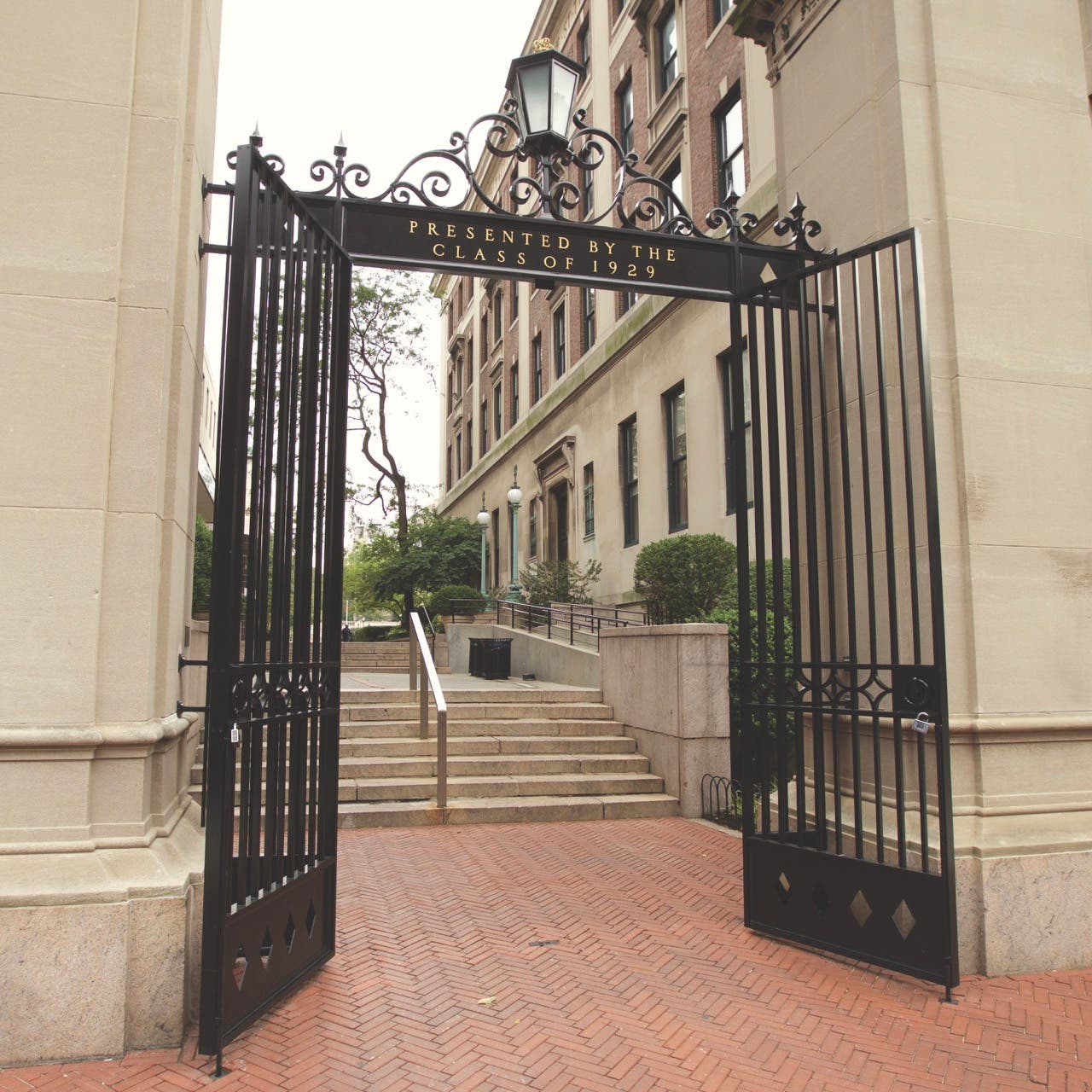
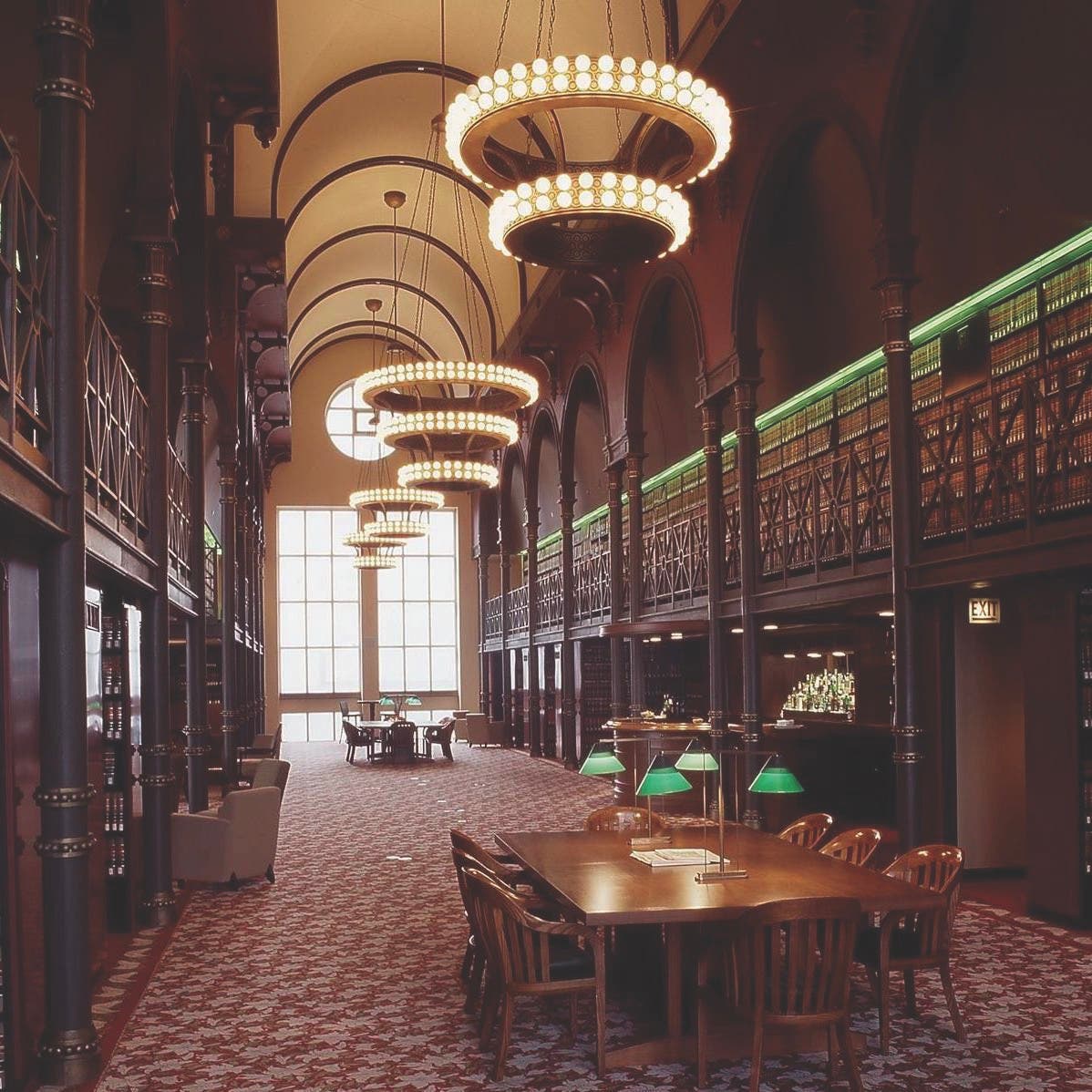
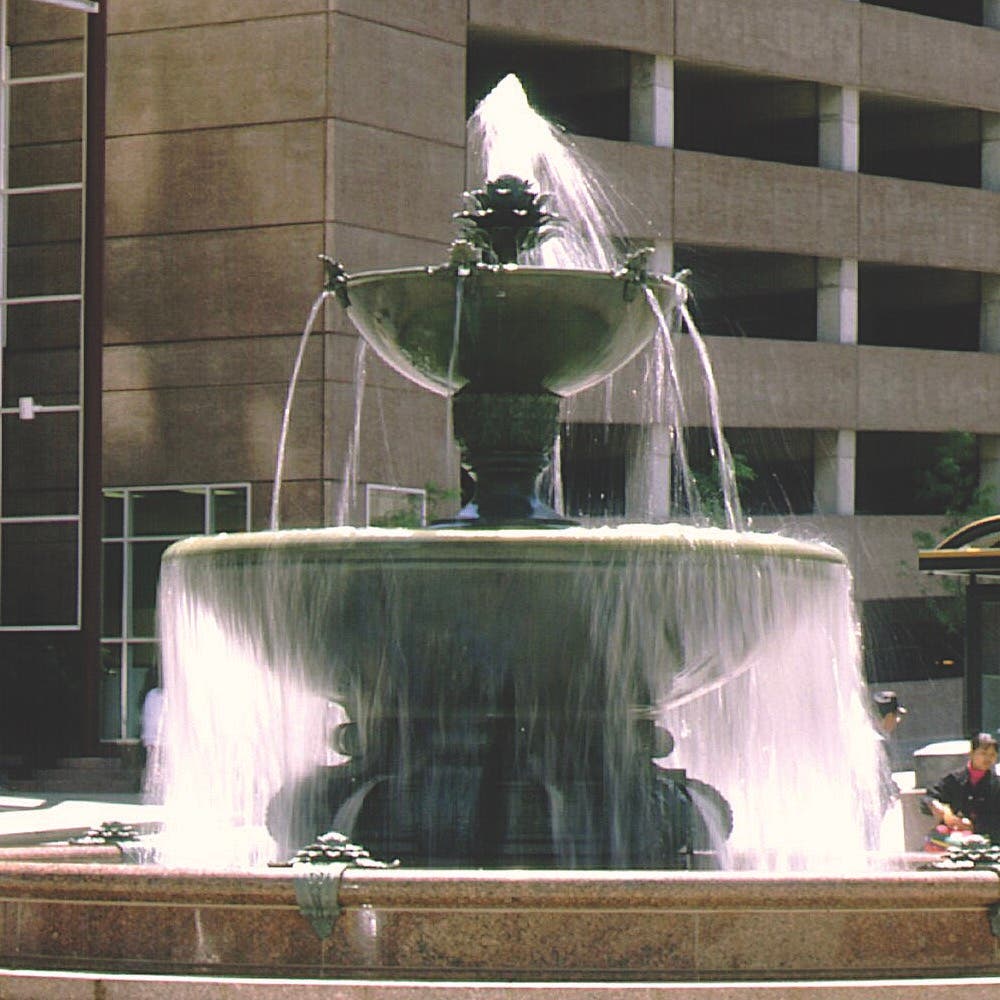
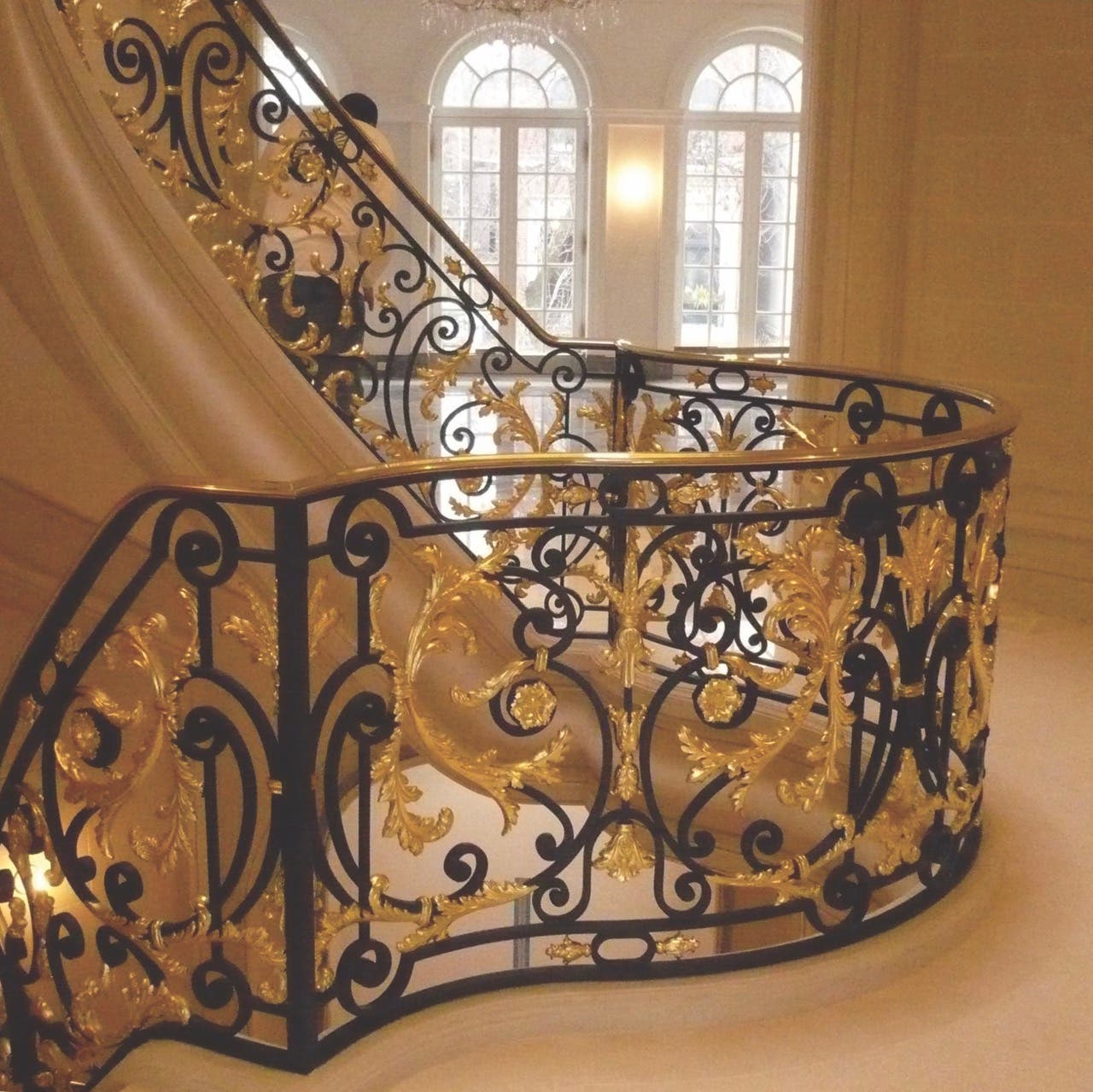
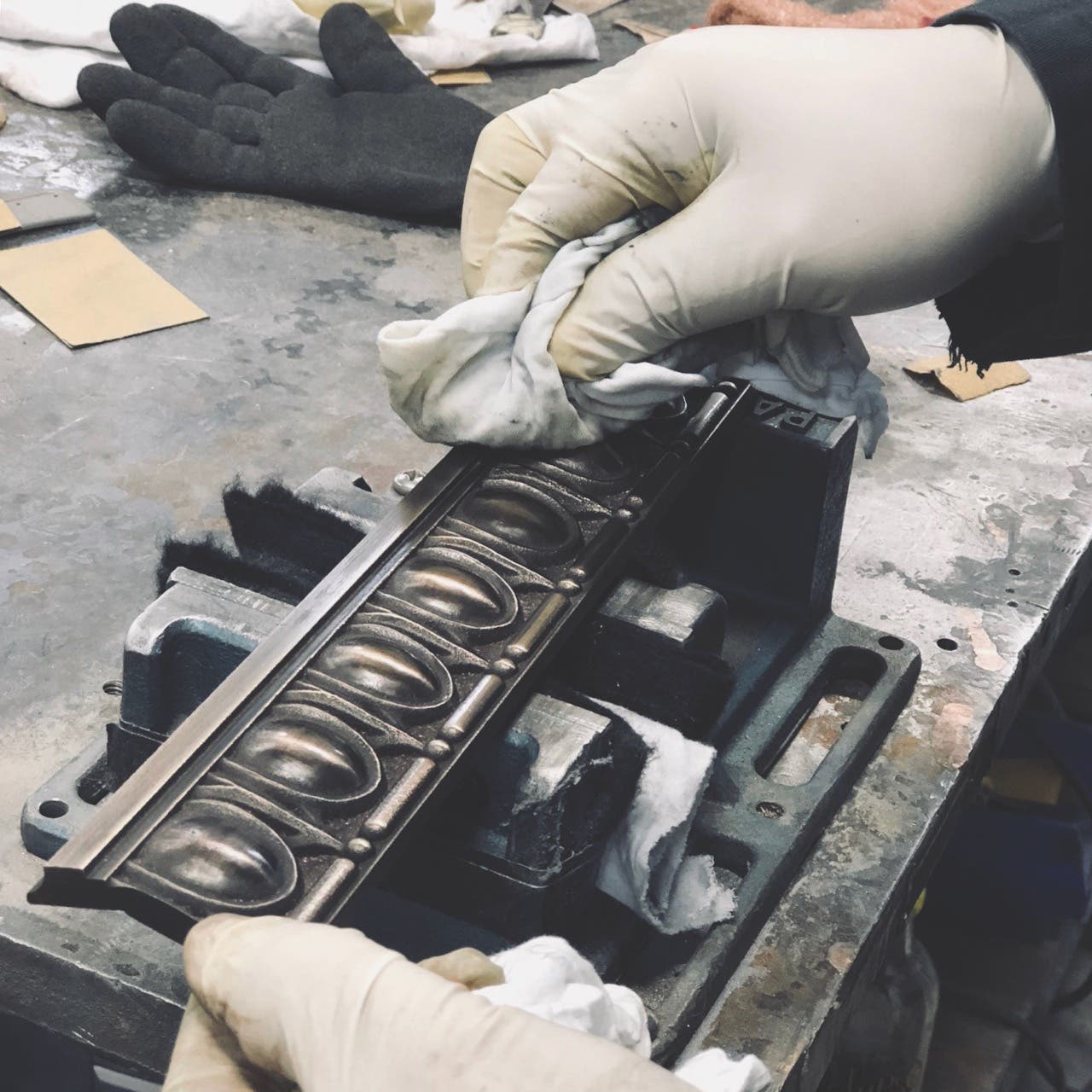
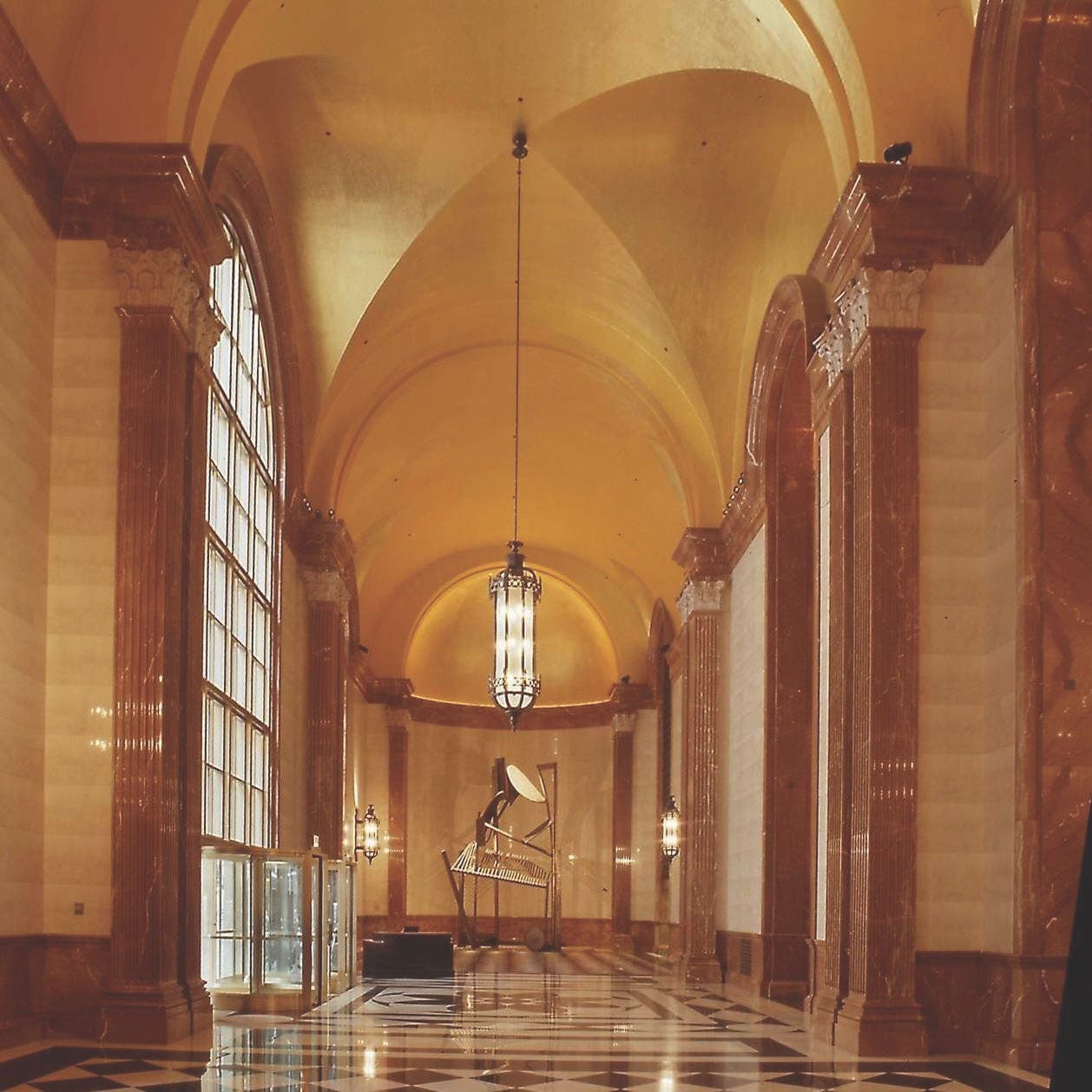
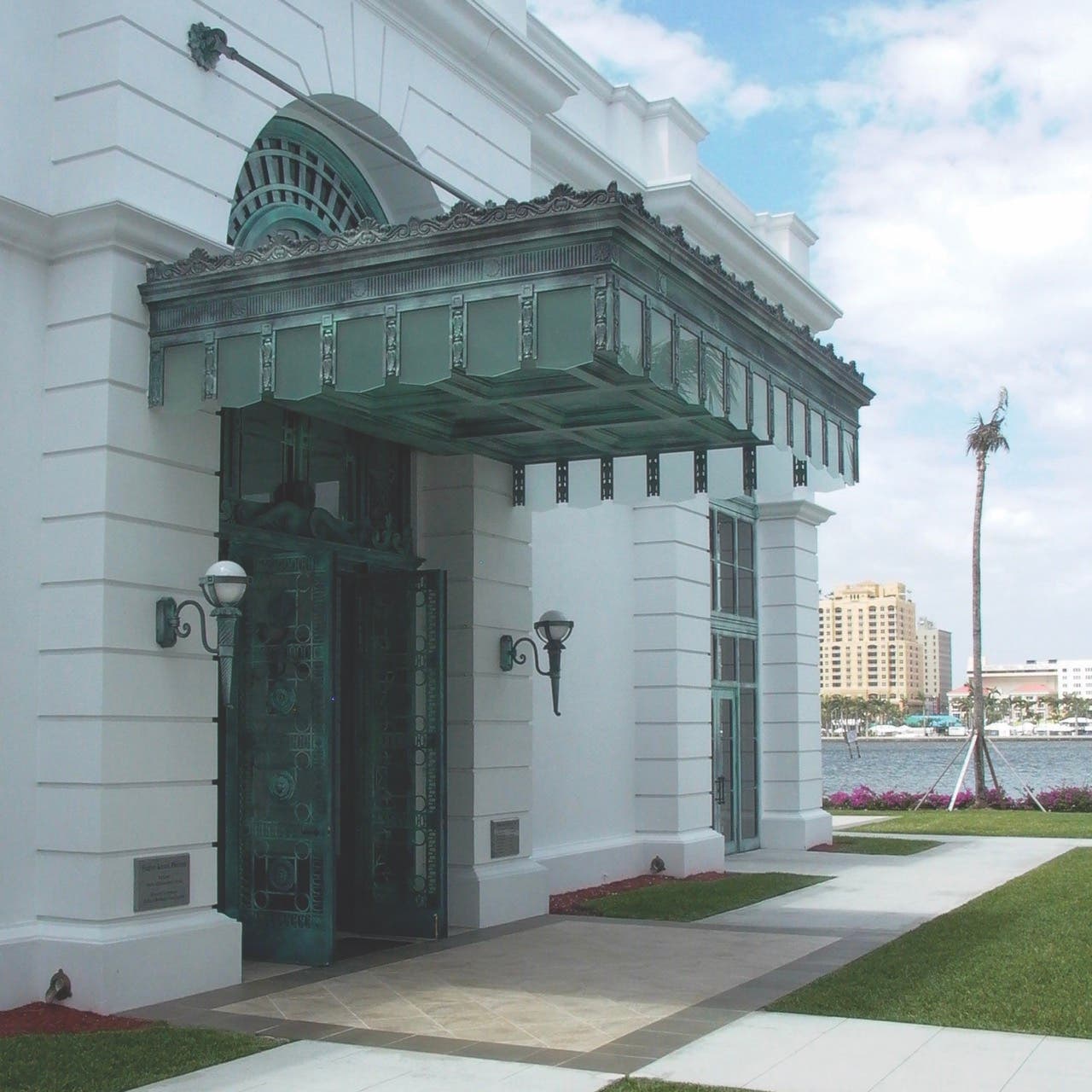
including work at Columbia University. Works range from canopies to fountains to brackets to stair railings. The design and execution of a piece is a delicate balance between craftsmanship and art.
Fast-forward to today and HACI is now an award-winning architectural and ornamental metalwork shop with a team of 30 designers, engineers, artists, and craftsmen working under one roof in West Jordan, Utah. The company’s ability to recreate traditional cast metal ornamentation has kept them in high demand—they’ve worked on the US Capitol Dome, the New York Federal Reserve Bank, Grand Central Station, and many more architecturally significant buildings.
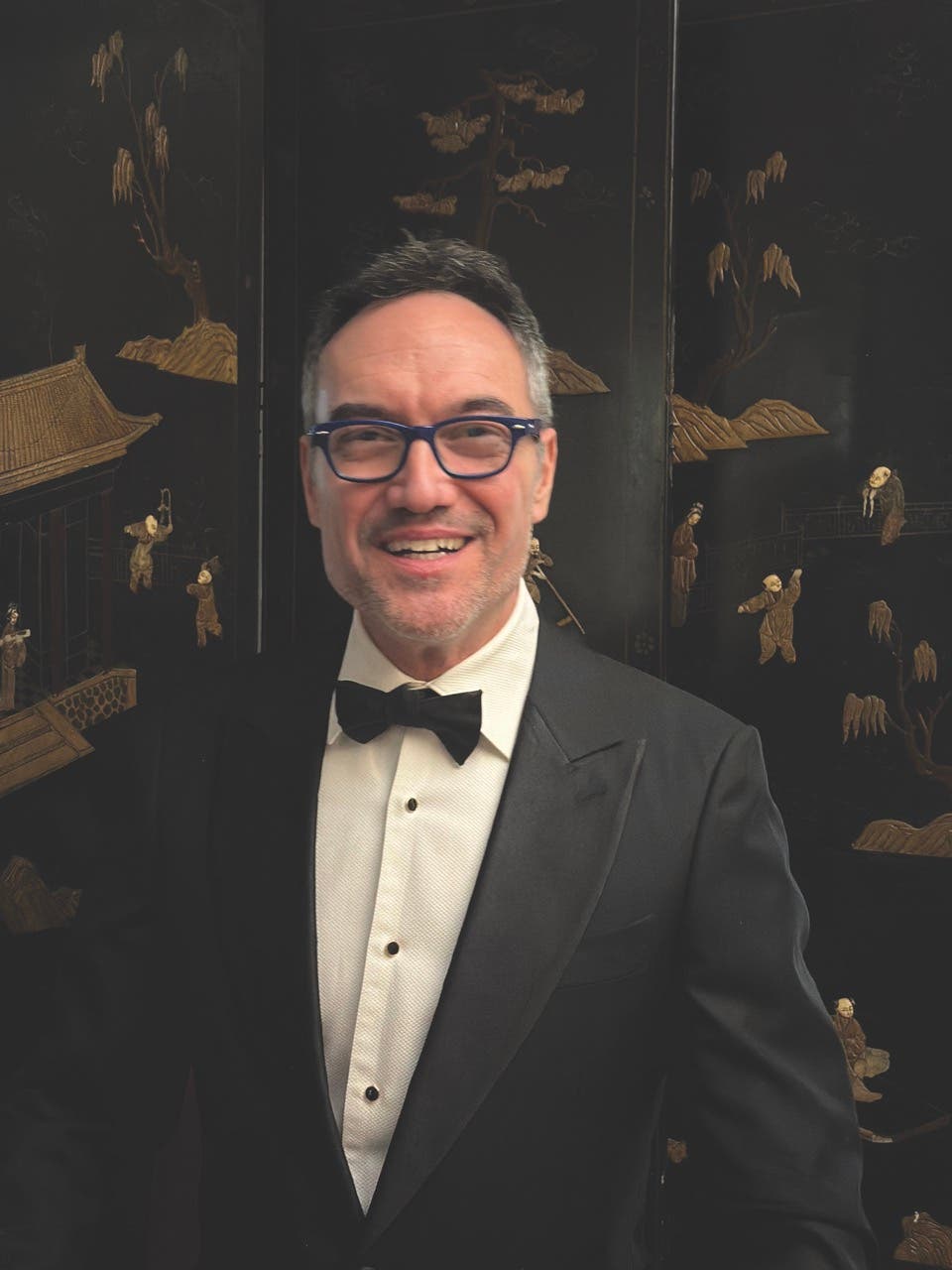
Recently, I chatted with partner David Teague about the challenges and rewards of his craft. Here is our conversation:
Q: What is your background and how long have you been with the company?
Right out of high school, I went to L. A. Pierce College’s two-year architecture program. I studied under a professor who was a protégé of Richard Neutra, the famous modernist architect in southern California. After that experience, I worked on projects around the country centered on the ideas and properties of architect Frank Lloyd Wright. Through a chain of events, I joined Historical Arts almost 31 years ago in 1995 and worked my way up to partner.
When I was first hired, my job was to problem solve how to retain our foundry patterns safely but also keep them accessible. We have this great big, almost Indiana Jones-like warehouse filled with crates and boxes of patterns. I developed a database to keep track of them all.
Q: How has your role evolved in those three decades?
Now, my main role centers on the pricing of new work. This involves figuring out how to solve a set of variables to give the customer what they want—or more. The challenge is to understand what the customer or project needs, and then to apply the right amount of material and labor from the various disciplines that we bring to the table to end up with the best price we can offer.
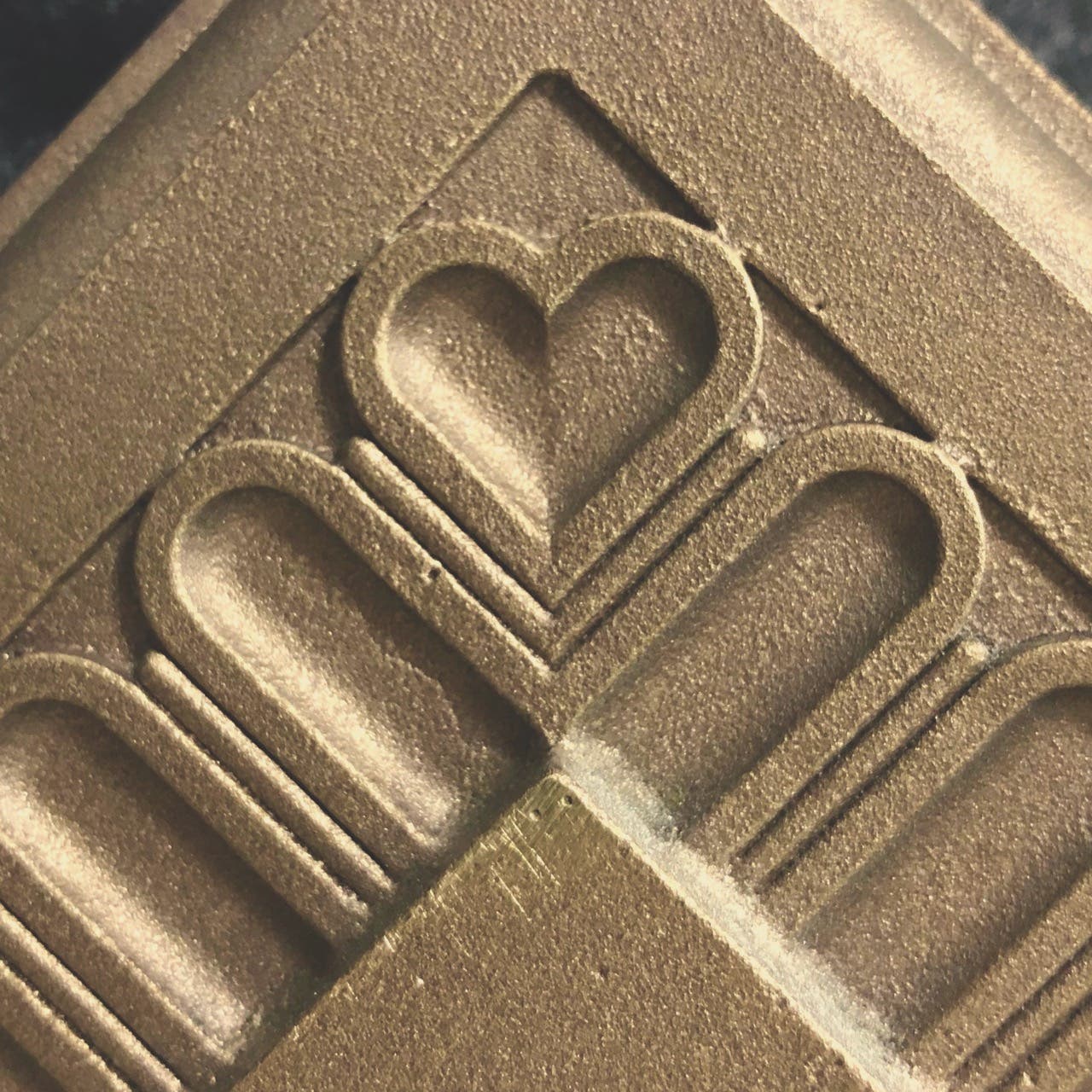
There are many great metalworkers and shops out there. Historical Arts has been around a long time, and gratefully, we are very well known. We create things that are not ordinary and we help to preserve the work of others who have come before us in a way that contributes to their legacy. These are some of the ways that make our products special and keep people coming back to us.
Q: What sets HACI apart from other metal fabricators?
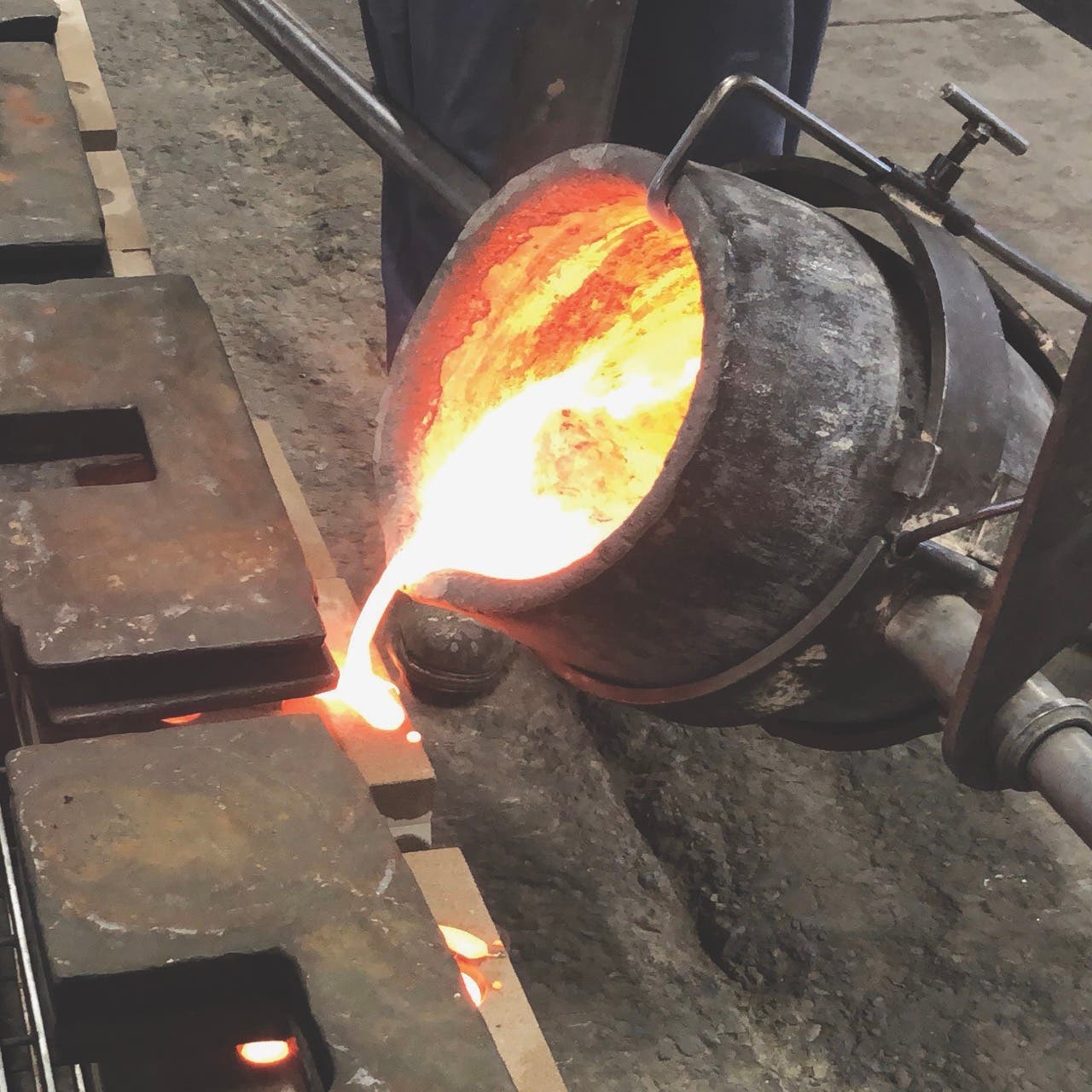
Also, we offer a wide range of product types that sometimes results in multiple scope areas coming our way on a single project. Furthermore, over the years we have integrated ourselves vertically, so we have fewer outsourcing requirements. Our customers can come to us from the outset of a project and receive help from our in-house design, pattern-making, foundry, fabrication, machine, and finishing shops—and if they want us to, we will also travel to install the products. It is a real turn-key solution.
Q: What does the future hold for your craft?
We embrace the partnership between human skill and technology, but we try and use technology in a way that helps us preserve and create more effectively. We never want to replace people; instead, we use tech to extend our crew’s working envelope and eliminate more mundane or repetitive tasks so they can spend their time using the skills they have developed while working here.
Technology can also help to speed things up. For example, we might have our sculptor prepare a portion of a new detail, in clay using traditional methods, that will be repeated radially around a circle or linearly along a molding. The detail can be scanned and digitally duplicated, scaled, mirrored, or otherwise modified easily. This kind of advance allows the sculptor to move on to the next task sooner—all with no change in quality—while saving the customer money.
Q: What is your favorite thing about architectural metalwork?
It’s very satisfying to finish up a project and ship it out, knowing that the customer is getting custom metalwork that’s as good or better than what they imagined. We like fielding those happy phone calls.
Overall, we’re grateful that there are still people who want something unique and who are willing to take the time and have the patience for developing this kind of architectural metal. We can craft exactly what they want without compromise. TB
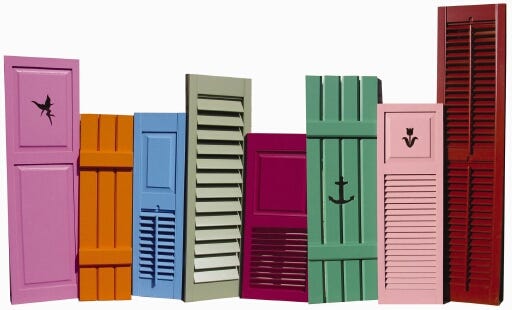
Manufacturer of authentic mortise-&-tenon wood shutters: cedar & mahogany, exterior movable & fixed louver, board & batten & raised panel; cutouts, capping, arches & more; hinges & holdbacks; interior louvers, Colonial panels & open frame; painting services; made in USA; family-owned company since 1986; ships nationwide.